
Last updated November 23, 2026
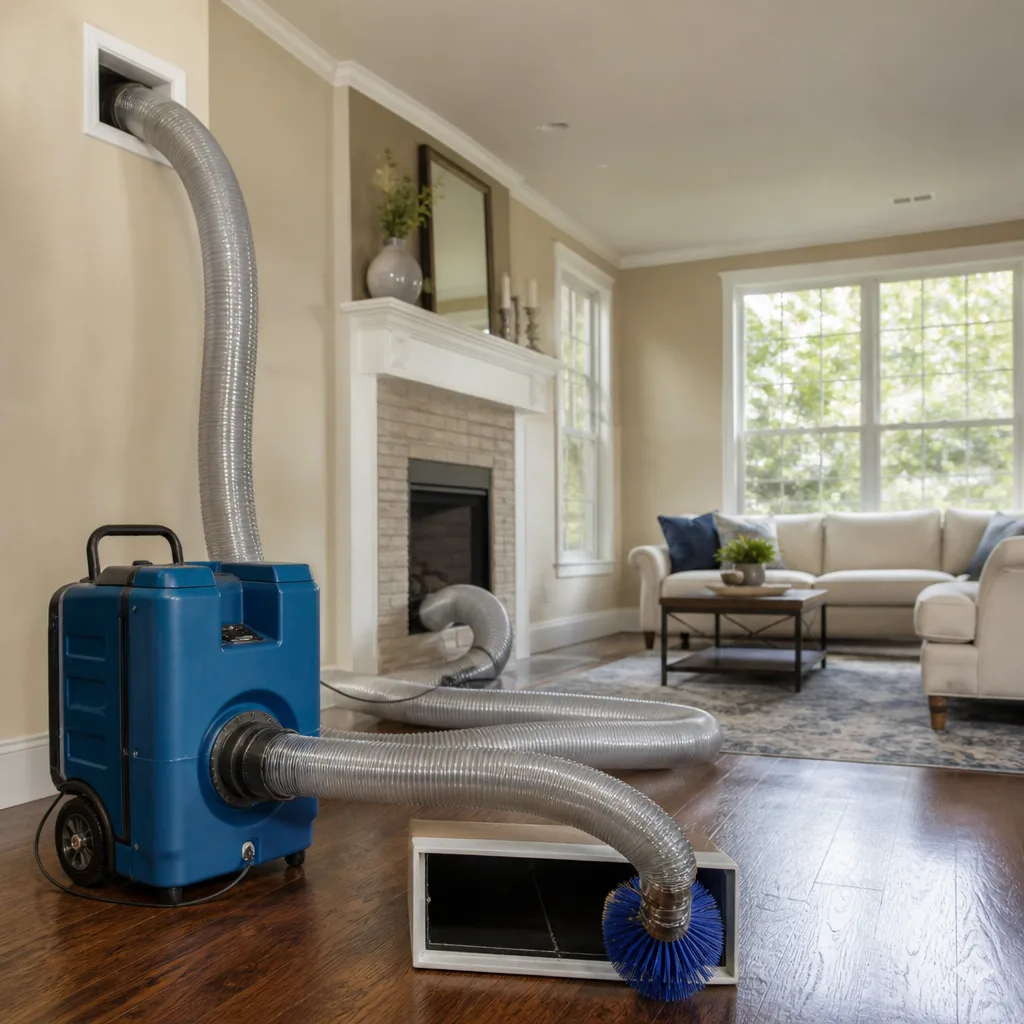 Whole-home duct cleaning
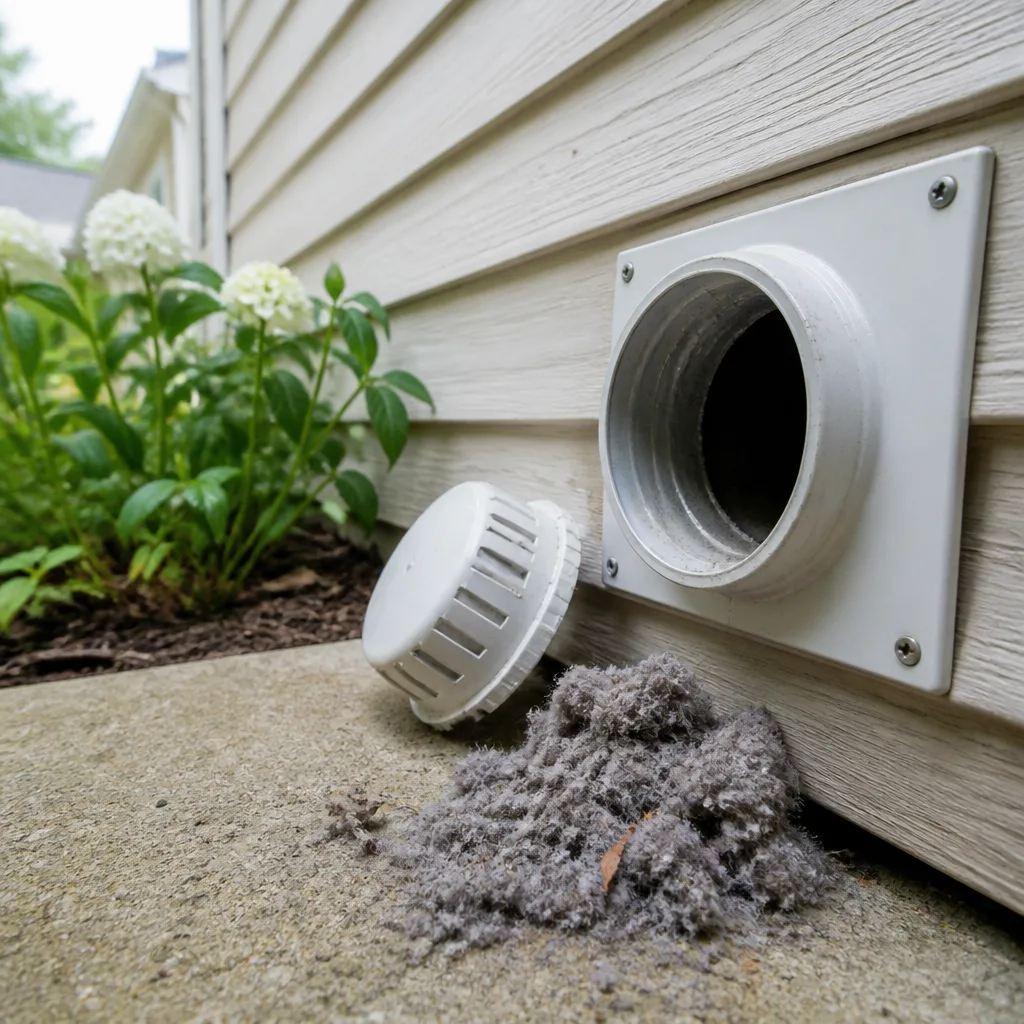 Dryer vent cleaning
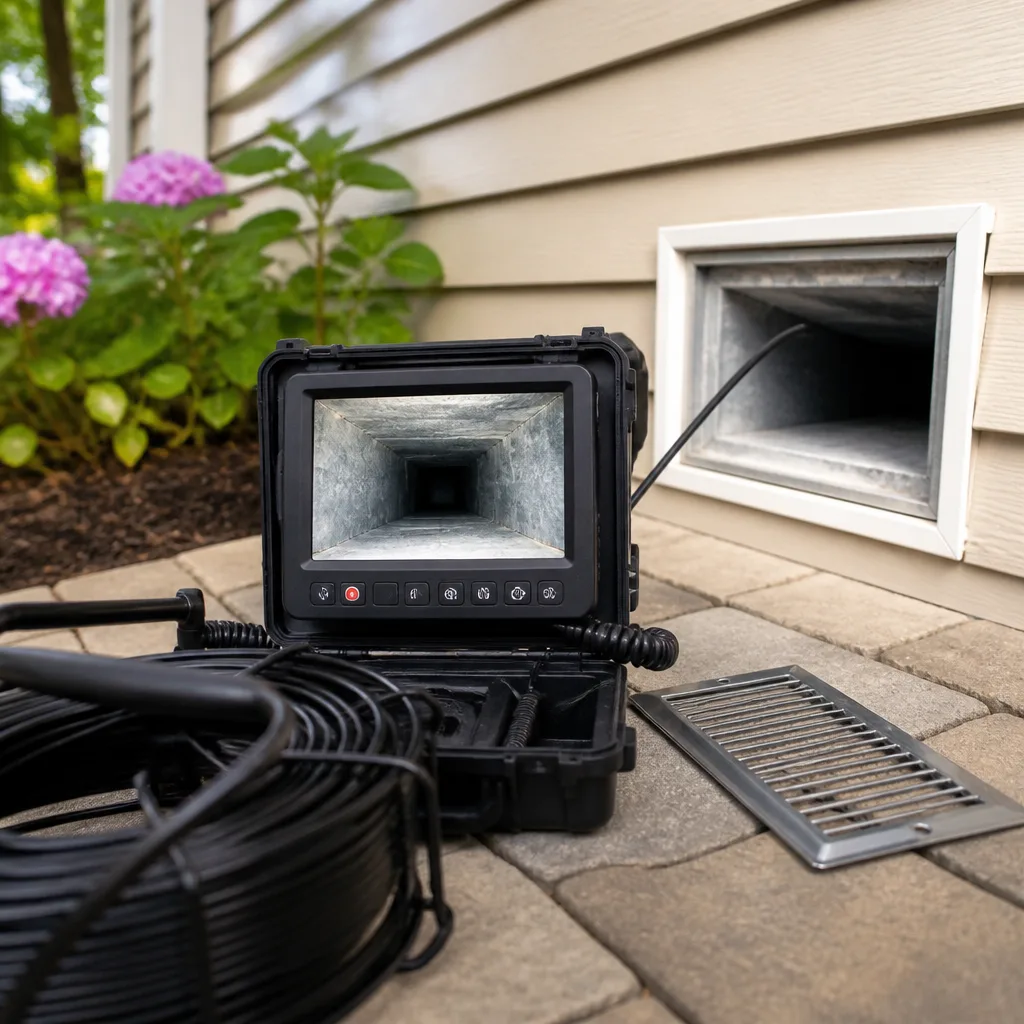 Camera inspection
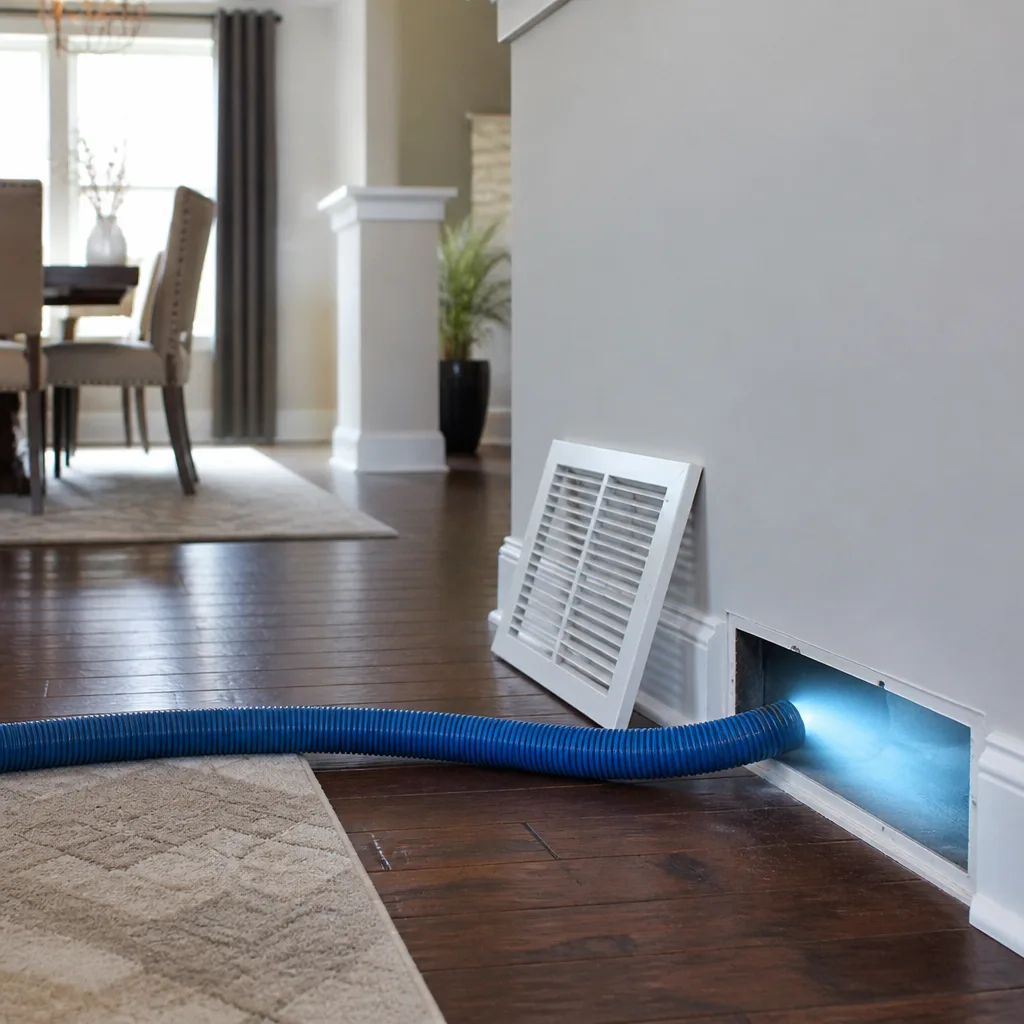 Sanitizing & deodorizing
Whole-system duct and dryer vent check with before-and-after photos - you see exactly what came out of your vents
That "$99 whole-house special" is a bait ad - the real number appears once they are in your hallway, or the "clean" is a shop-vac at the register. We photograph the inside of your ducts before and after instead.
DIY vs Professional Air Duct Cleaning: The Spanish Fork Homeowner’s Decision Guide
Attaching a leaf blower to a supply register and running a shop-vac over the return grille doesn’t clean your ducts. It pressurizes debris into branch runs that haven’t seen steady airflow in years, and you won’t know it happened until a coil starts fouling or a room stops heating the way it used to. The duct cleaning debate usually gets framed around cost, and that framing misses the point. The real issue is physics: moving debris out of a sealed duct system means generating negative pressure strong enough to pull it back to a collection point, and no consumer vacuum can do that. This guide tells Spanish Fork homeowners exactly which tasks are genuinely worth doing yourself and which ones need equipment you can’t rent at a hardware store.
Quick Answer
DIY air duct cleaning works for surface-level maintenance: cleaning register covers and grilles, replacing filters on schedule, and visually inspecting accessible flex duct. It cannot perform source-removal cleaning, because consumer vacuums and shop-vacs don’t generate the negative pressure that professional duct cleaning requires. Real cleaning needs a rotary-brush system paired with a high-volume negative-air machine, so anything beyond grille and filter upkeep is a job for professional equipment.
Styles & brands we work with
- Whole-home duct cleaning
- Dryer vent cleaning
- Camera inspection
- Sanitizing & deodorizing
Table of Contents
- The Physics Problem: Why Suction Alone Doesn’t Clean Ducts
- What DIY Air Duct Cleaning Can Actually Accomplish in Spanish Fork
- Rotobrush vs. Consumer Rotary Brush Attachments
- When DIY Duct Work Turns Dangerous, Not Just Ineffective
- The Honest Cost-Benefit Math for Spanish Fork Homeowners
- Why Spanish Fork’s Climate and Housing Make This Decision Matter
- What a Professional Duct Cleaning Actually Involves
- Duct Repair, Sealing, and the Step Most Cleaners Skip
The Physics Problem: Why Suction Alone Doesn’t Clean Ducts
Duct cleaning is a negative-pressure operation, and that’s the part consumers underestimate. Source-removal cleaning means creating a sealed system with a powerful vacuum connected at one end and an air-whip or rotary brush working the duct from the other, so loosened debris gets captured and carried out instead of settling back down.
The National Air Duct Cleaners Association (NADCA) sets the benchmark for the vacuum side of this work. Professional truck- and trailer-mounted units are rated to move substantial air volume while maintaining strong static pressure against the resistance of an entire duct run. That combination is what lets them pull debris hundreds of feet back through a supply trunk to a collection point.
A shop-vac or consumer canister vacuum runs out of static pressure within a few feet of hose length. The airflow drops off as soon as it meets the resistance of a real duct system, so here’s what actually happens when you try to vacuum a branch run through a floor register:
- Debris lifts but doesn’t travel. Loose dust and lint get disturbed at the register end, then drop back down a short distance into the duct where you can’t reach it.
- Pressure pushes debris sideways. Any positive-pressure attempt, like a blower at a register, drives material into branch runs that may have limited airflow.
- The system re-contaminates. Nothing is contained, so disturbed particles settle into a fresh layer downstream, and the coil, blower, and filter catch what the ducts release.
- You can’t see the result. Without a camera or access points, the homeowner has no way to verify whether anything was actually removed.
That last point matters more than it sounds. Cleaning that can’t be verified isn’t cleaning, it’s activity. In our work around Spanish Fork, we’ve seen duct systems where a homeowner tried their own vacuuming and honestly believed the ducts were clean, when a camera inspection showed the original debris layer largely intact and now spread over a wider area.
What DIY Air Duct Cleaning Can Actually Accomplish in Spanish Fork
We’re not going to tell you every duct task needs a professional. Some of the maintenance that keeps a system healthy is genuinely yours to do, and doing it well makes professional cleanings less frequent and more effective. Here’s what’s realistically in reach.
1. Register and grille cleaning
Pop the covers off supply and return registers and wash them in warm, soapy water. Grilles accumulate dust on the surface and the visible interior lip, and cleaning that surface keeps the airborne load down. Dry them fully before reinstall.
2. Filter replacement on schedule
Filter replacement is the single highest-impact thing most homeowners skip. Check your filter monthly during heating and cooling season and change it based on the manufacturer’s recommendation for your filter’s rating. A clogged filter strains the blower and reduces airflow to every room. When you’re ready to upgrade filtration, products like Honeywell and Aprilaire filters and media cabinets offer much better capture than the basic fiberglass panel, and we install both.
3. Visual inspection of accessible flex duct
If a section of flex duct is exposed in a basement, crawlspace, or attic hatch, look at it. A flashlight and a phone camera will tell you a lot: crushed runs, torn outer jacket, visible dust tracking at joints. Note what you find. Don’t disconnect anything unless you’re comfortable re-sealing it properly, because a poorly reconnected joint is worse than a dirty duct.
4. Keeping returns clear
Furniture, rugs, and storage boxes blocking return grilles force the system to work harder and pull dust from wherever it can. A few minutes of rearranging improves airflow noticeably.
What DIY can’t reach
Everything past the first few feet of a branch run. Trunk lines, plenum connections, the interior of the air handler, and the furnace or AC coil are all outside the reach of consumer tools. That’s not a knock on your effort, it’s just what the equipment can and can’t do. For the deeper work, see our page on air duct cleaning to understand the scope.
Rotobrush vs. Consumer Rotary Brush Attachments
This comparison tells you more about the DIY vs. professional question than any cost table, because it shows you what the money actually buys.
Consumer rotary brush attachments are drill-mounted or shop-vac accessories. They spin a small brush on a flexible shaft, and they cost under a hundred dollars. The brush is short, the shaft is thin, the motor is small, and the tool has no vacuum behind it beyond whatever shop-vac you’ve attached. In a real duct run, the shaft binds on turns, the brush stalls against stuck debris, and the whole assembly can’t be steered. There’s also no containment, so everything the brush loosens sprays into the room or settles back in the duct.
Rotobrush is the industry benchmark rotary-brush cleaning system, and we run it on every duct cleaning job. The differences that matter:
- Purpose-built brush heads and whip lines sized for different duct dimensions, so the brush contacts the full interior circumference rather than just the bottom of the run.
- Continuous forward and reverse rotation so the brush can be worked through a run without stalling, and backed out if it hangs.
- Integrated vacuum and HEPA containment so what comes off the duct wall gets captured, not redistributed. We pair it with Abatement Technologies negative-air and filtration equipment, the same standard used in mold and restoration work.
- Reach into the full system: supply branches, trunk lines, and returns, with the operator steering the brush by feel and camera from the access point.
That’s the honest answer to why the professional version costs what it costs. It’s a system, not a drill attachment. You’re paying for the machine, the containment, and an operator who knows how to work a brush through a duct run without damaging it. Consumer gear can’t substitute for that, and pretending otherwise wastes a Saturday and leaves the ducts no cleaner.
When DIY Duct Work Turns Dangerous, Not Just Ineffective
Most DIY duct work is harmless. A few situations aren’t, and these are the ones where stopping and calling a professional isn’t caution, it’s basic safety.
- Disturbing mold-positive debris without containment. If you see visible growth inside a duct or on a register, do not start brushing or vacuuming it. Disturbing mold colonies without negative-air containment spreads spores through the house and into the HVAC system. That’s a job for contained cleaning with proper filtration, and often a sanitizing step afterward. We can work with your insurer if a mold situation becomes a claim, but the assessment comes first.
- Dislodging deteriorating flex duct liner. Older flex duct can have an inner liner that’s brittle and peeling. A rotary brush or aggressive vacuuming can tear it loose, sending fragments downstream to clog the coil or blower. That turns a cleaning into a duct replacement.
- Introducing moisture during cleaning. Water and steam don’t belong in a duct system unless the process is specifically designed for it. Moisture feeds mold growth in a warm, dark duct. Consumer “duct cleaning” tricks that involve damp rags or misting are a bad idea.
- Working near the air handler without shutting down power. The blower and heat exchanger are not a DIY zone. Electrical components and gas-fired equipment need a trained technician.
- Climbing into tight attic or crawlspace spaces without fall protection or proper PPE. Attic duct work in Spanish Fork homes means heat, tight clearances, and sometimes fragile decking. An injury from a fall is far worse than a dirty duct.
If any of those descriptions fits what you’re looking at, stop and call. The cost of a professional cleaning is small next to the cost of mold remediation or duct replacement. Our technicians have up to 8 years of experience with exactly these situations.
The Honest Cost-Benefit Math for Spanish Fork Homeowners
Here’s the calculation we’d walk through with a friend, without any upselling agenda.
What DIY maintenance saves. Register cleaning, filter replacement, and visual inspections cost you almost nothing beyond the filter itself. Doing those on a real schedule is the best return on effort in home HVAC. Nobody should pay a professional to clean a grille cover.
What a DIY cleaning attempt costs when it goes wrong. This is where the math gets ugly. A failed DIY cleaning doesn’t just fail, it can redistribute debris into coils and blower wheels, leading to:
- A professional cleaning that now has to undo the mess before it can clean, and sometimes includes coil cleaning or component removal.
- Reduced system efficiency while the debris sits there, which shows up in energy bills and comfort.
- Premature filter clogging and, in the worst cases, compressor strain from restricted airflow.
- In mold situations, a containment and sanitizing job that a straightforward cleaning would have avoided.
What a professional cleaning saves. A properly extracted duct system runs the way it was designed to. Airflow evens out, the blower isn’t fighting a debris-clogged duct, and the coil sees cleaner air. We don’t promise specific percentages because every home differs, but the mechanism is real: source removal keeps the whole system cleaner and, done with proper sealing afterward, keeps it that way. The HVAC cleaning piece of the job is where a lot of the efficiency benefit actually lives, because the coil and blower are where airflow restrictions do the most harm.
Pricing is per job by written estimate, and the final price is set by that estimate. We give you the number before work starts and hold to it.
Why Spanish Fork’s Climate and Housing Make This Decision Matter
Spanish Fork sits in Utah Valley, where the climate does two things that affect duct systems year-round. Summer brings dry heat and long cooling seasons, and winter brings temperature swings that keep the furnace cycling hard. That means the air handler runs a lot of hours, and every hour it pulls air (and whatever’s in the ducts) through the filter and coil.
The valley’s inversions are the other factor. On winter inversion days, outdoor particulate levels climb, and a house running its HVAC system is continuously drawing in whatever the return side brings through. That makes filter quality and duct condition more than a comfort issue. It’s the difference between a system that’s filtering the air and one that’s circulating settled dust back through every room.
Spanish Fork’s housing stock adds to it. A lot of homes here have flex duct in unconditioned attic space, where summer heat and winter cold work on the duct jacket and connections. Attic duct runs in Spanish Fork take a beating from temperature cycling, and poorly sealed joints there leak conditioned air into the attic while pulling attic dust into the system. That’s why we pair cleaning with duct repair and sealing, and it’s a step duct-only cleaners skip entirely. If your ducts leak in the attic, cleaning them and leaving the leaks alone means they’ll re-contaminate. A single visit that handles cleaning, sealing, and filtration upgrades avoids scheduling two contractors.
What a Professional Duct Cleaning Actually Involves
If you’ve never watched a real cleaning, this is what you should expect. If a company shows up with a shop-vac and a hose, expect less.
- Inspection and access planning. We identify the system layout, locate trunk and branch access points, and check the condition of every run we can reach. This is where deteriorated flex duct and mold-positive areas get flagged.
- Containment setup. Negative-air and HEPA filtration equipment goes in place before any debris is disturbed, so the cleaning is contained. That’s the Abatement Technologies side of the job.
- Source removal with the Rotobrush. The rotary brush works each run, contacting the full circumference of the duct wall, followed by high-volume extraction with Nikro HVAC cleaning equipment at the unit level.
- Component cleaning. The blower wheel, coil, and air handler get attention where accessible and appropriate. This is where the biggest airflow gains usually come from.
- Sanitizing and deodorizing. Where contamination calls for it, we apply sanitizing treatment, with Guardsman protective products available for post-clean treatment.
- Verification and photography. Before-and-after photos of your own ducts, not a stock image from a brochure. We want you to see what came out and what the interior of the duct looks like when we’re done.
That last step is the answer to the biggest hesitation in this industry. If a contractor can’t show you the before and after of your system, you have no way to know the work was done.
Duct Repair, Sealing, and the Step Most Cleaners Skip
Cleaning a leaking duct system is half a job, and in a lot of Spanish Fork homes, the leak is the bigger problem. Disconnected joints in the attic, torn flex duct jacket, and unsealed plenum connections leak conditioned air into spaces where it does no good and pull unfiltered attic or crawlspace air into the system. That means the ducts you just cleaned start pulling dust back in immediately.
We offer duct repair and sealing alongside cleaning as one visit. Sealed ducts stay cleaner longer, reduce the load on the blower, and stop the re-contamination cycle that makes people think duct cleaning doesn’t work. If you’re also looking at dryer vent maintenance, the same principle applies, and our dryer vent cleaning page explains the lint-fire risk that builds up in a vent nobody’s checked. If your home needs full-system attention, starting with Spanish Fork Air Duct Cleaning is the easiest way to get an estimate that covers the whole scope in one call.
Common Mistakes to Avoid
- Using a leaf blower to “clear” ducts. Positive pressure drives debris into branch runs and settles it in places airflow never reaches. It’s the classic mistake that leads to a worse problem than the one you started with.
- Trusting a $99 coupon cleaning. Coupon pricing is generally the door fee, not the job price. The real number gets built on site after an upcharge list. Ask for one flat price per system before work begins.
- Ignoring the filter and cleaning the ducts. A dirty filter clogs with what the ducts release, and a clogged filter strains the blower. Neither task substitutes for the other, and skipping filters makes cleaning a waste of money.
- Pulling flex duct apart to inspect it. A joint you can’t re-seal properly leaks more than the inspection was worth. Note what you see and let the professional handle access.
- Brushing visible mold without containment. Disturbing growth inside a duct spreads spores through the house and into the HVAC system. Sealed negative-air containment isn’t optional for that work.
- Skipping the sealing step. Cleaning ducts and leaving leaks alone re-contaminates the system. Sealing is what makes the cleaning last.
- Assuming a shop-vac is almost as good. Consumer equipment can’t produce the static pressure and air volume that source-removal cleaning requires. There isn’t a halfway version of a proper cleaning.
See the difference
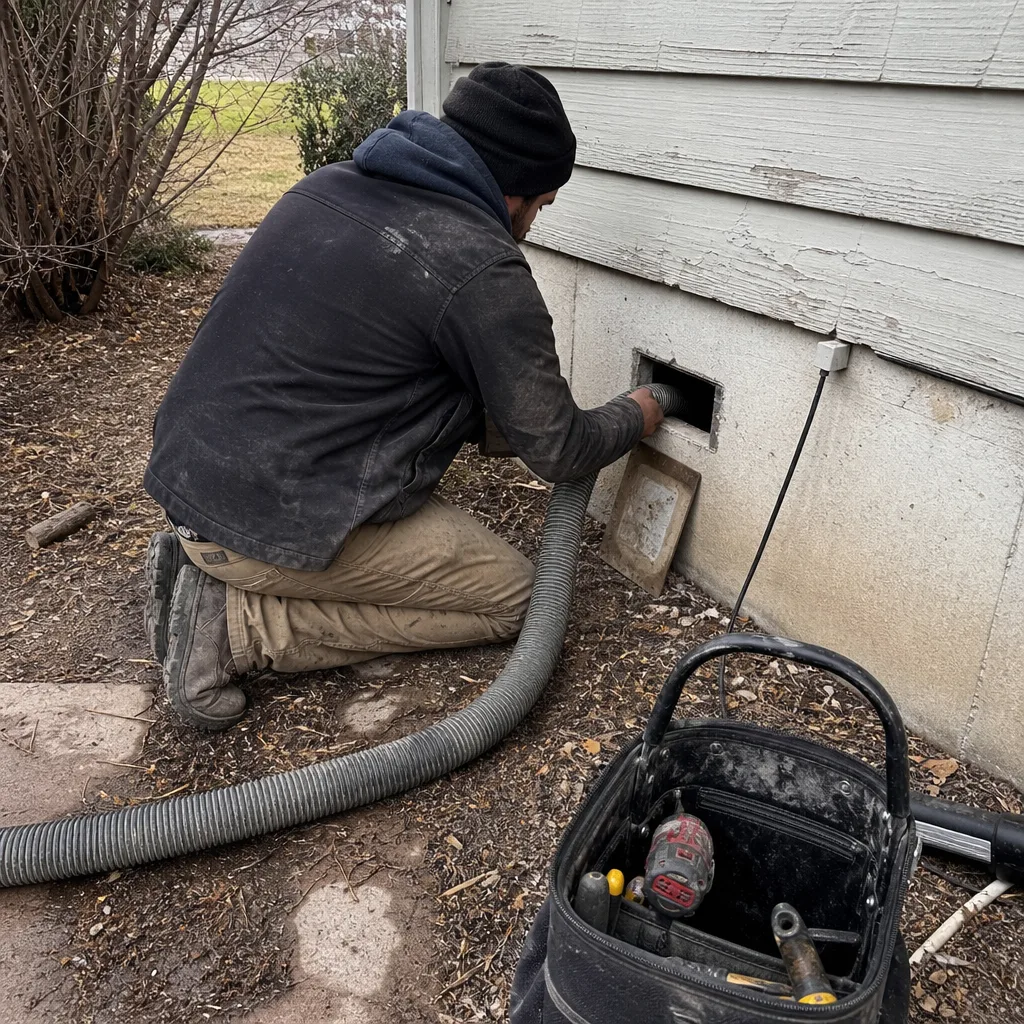 Before
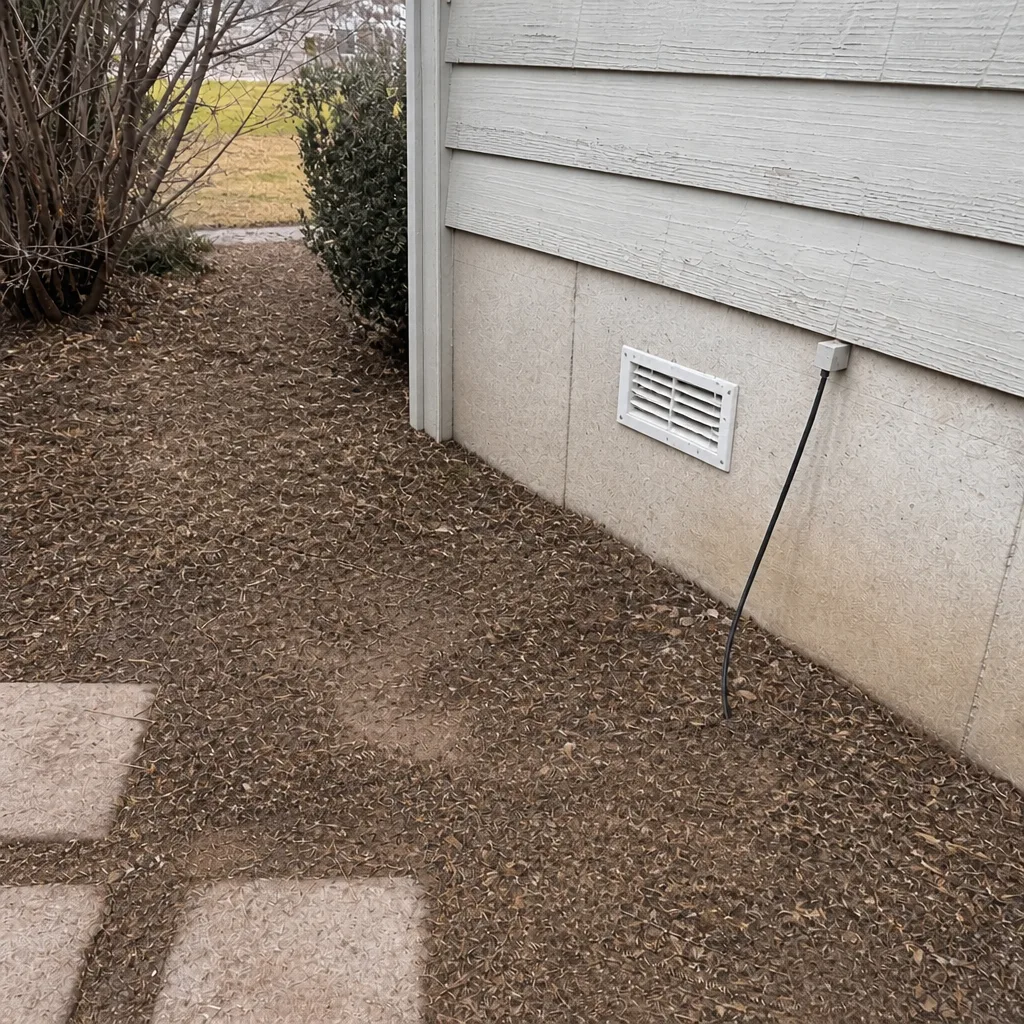 After
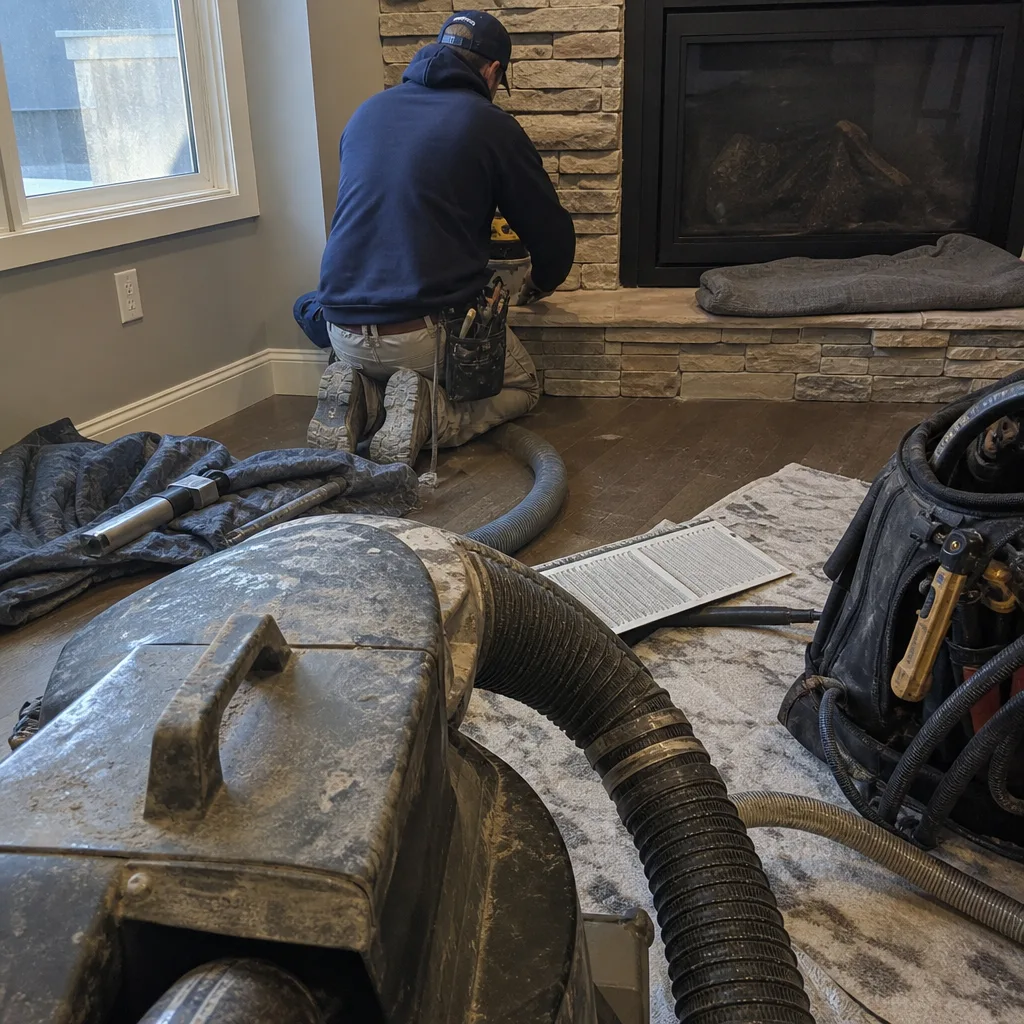 Before
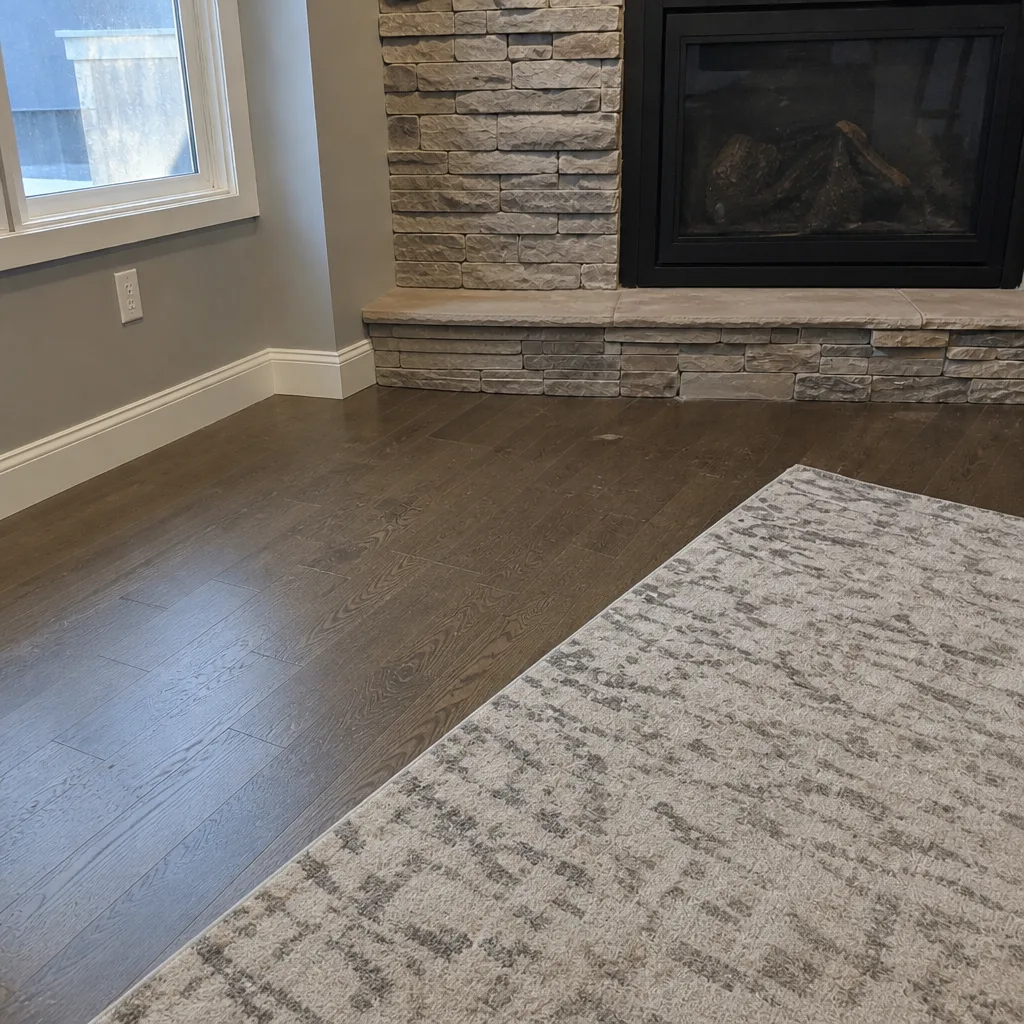 After
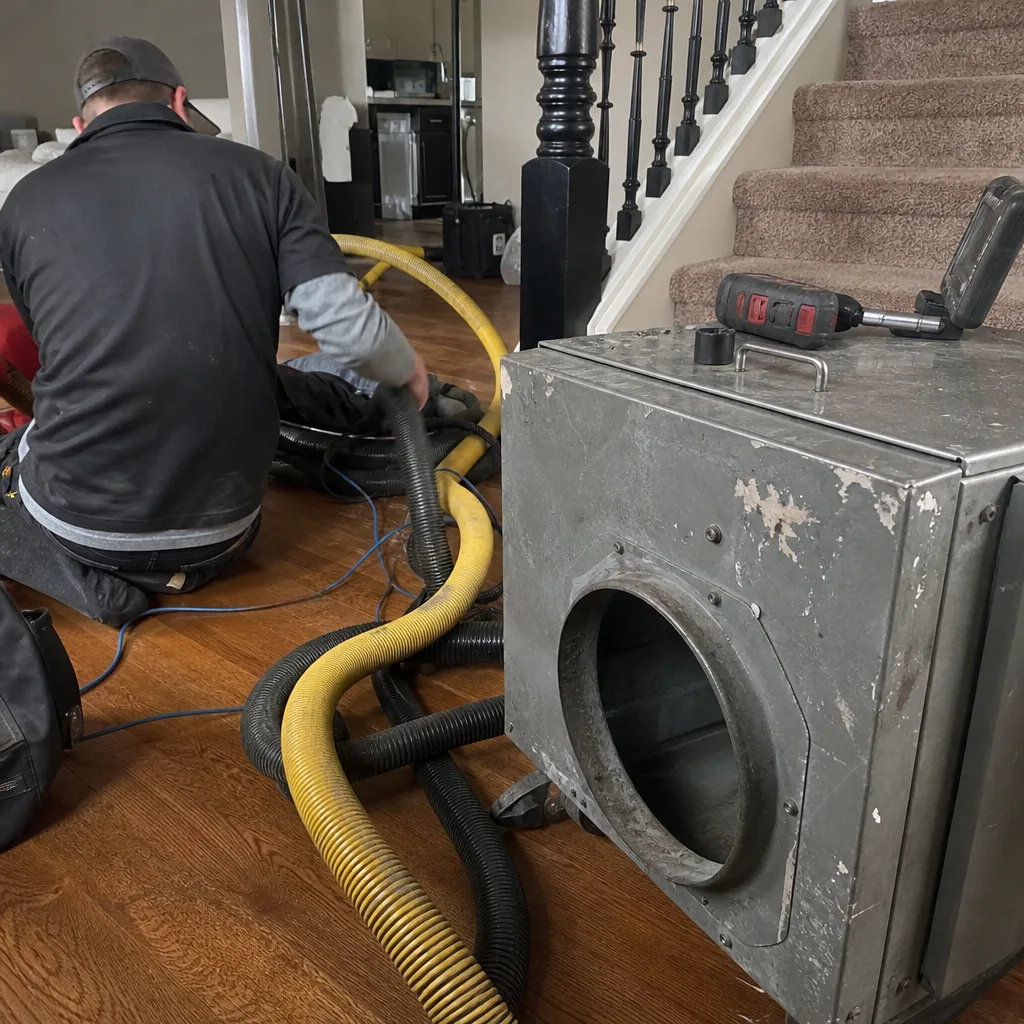 Before
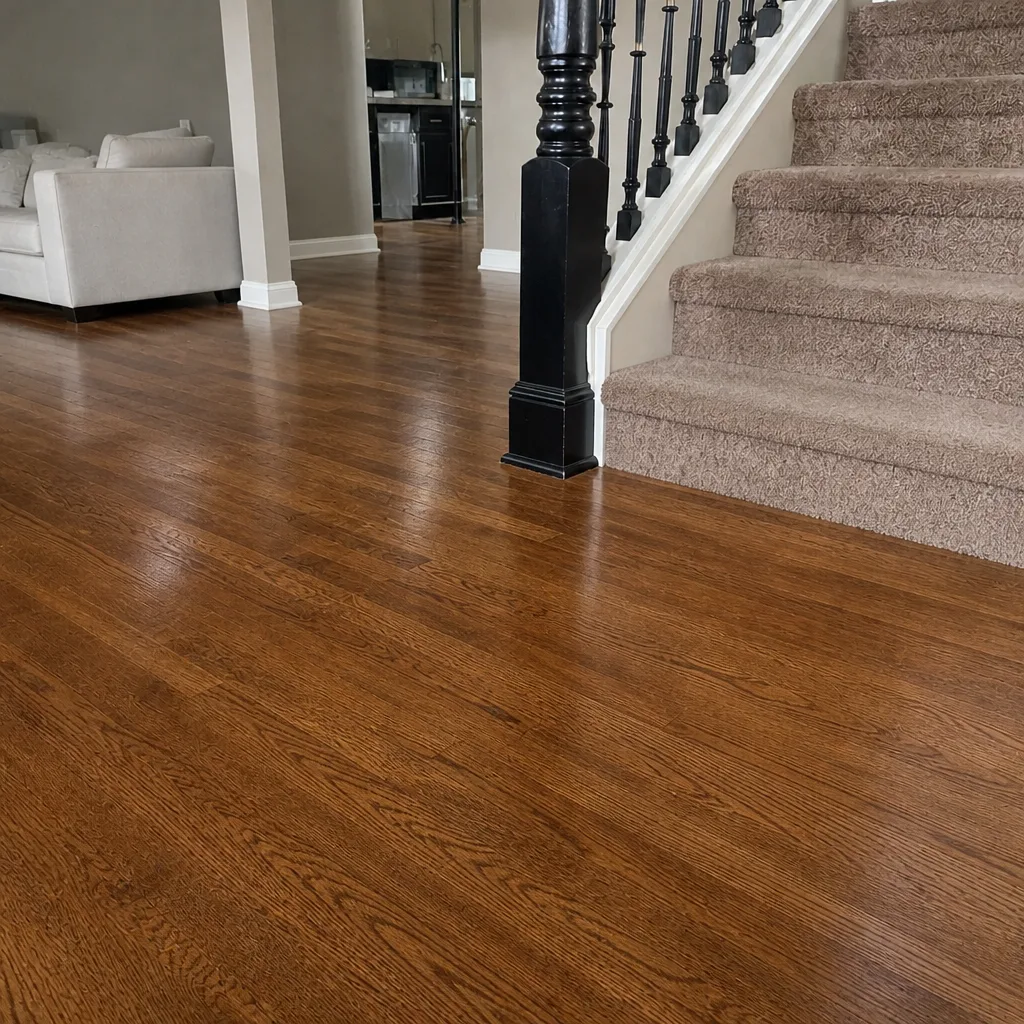 After
When to Call a Professional
Call us when the situation involves anything the DIY list doesn’t cover. Visible mold inside a duct or on a register. Musty odors that persist after a filter change. Uneven airflow between rooms or high energy bills you can’t explain. A recent renovation, extended vacancy, or pest problem that may have left debris inside the system. A dryer vent that’s never been checked and runs hot. Or a duct system that was never sealed properly in the first place, which is a lot of Spanish Fork homes. Spanish Fork Air Duct Cleaning offers free estimates in Spanish Fork, and we’ll walk the system with you and tell you honestly what needs doing and what doesn’t. Call (866) 937-8037. We answer 24/7. Fast dispatch from 7am to 7pm, Sunday through Friday.
Frequently Asked Questions
DIY air duct cleaning covers register and grille cleaning, filter replacement, and visual inspection. Professional cleaning adds source removal with a rotary-brush system and high-volume negative-air equipment, which is what actually extracts debris from the full duct system. The two aren’t versions of the same task; they’re different jobs.
Because they’re usually not for the same work. A coupon price typically covers a surface pass on the accessible registers, with add-ons built on site. Real work includes containment, rotary brushing of every run, component cleaning, and before-and-after proof. Call (866) 937-8037 for an exact quote. Estimates are free, and it’s one flat price per system agreed before work starts.
You ask for before-and-after photos of your own ducts, not stock images. A company that can’t show them has cleaned nothing you can verify. We photograph the interior of your ducts before and after cleaning. Call (866) 937-8037 for an exact quote. Estimates are free.
Most homes go longer than the industry’s generic recommendations because there’s no fixed schedule that fits every house. The real triggers are household changes like a renovation, a new pet, a pest problem, visible dust buildup, or a duct system that’s never been touched. Filters are the maintenance item that needs real attention every month. Call (866) 937-8037 for an exact quote. Estimates are free.
No. A shop-vac can’t generate the airflow and static pressure needed to pull debris from branch runs and trunk lines. It’s fine for surface messes, but attempting duct cleaning with one risks stirring up debris without containing it. Anything past the register needs professional equipment.
Yes. Dryer vent cleaning, HVAC cleaning, duct repair and sealing, and air duct cleaning are all part of what we do, along with sanitizing and air quality upgrades like Honeywell and Aprilaire filtration. Doing it in one visit saves coordinating multiple vendors. Call (866) 937-8037. We answer 24/7. Fast dispatch from 7am to 7pm, Sunday through Friday.
The Bottom Line
DIY air duct maintenance is worth doing and the physics one is not. Clean your registers, change your filters on schedule, and inspect what you can see. When the job crosses into the duct system itself, consumer equipment can’t produce the suction required for source-removal cleaning, and a half-cleaned system that gets redistributed debris is worse than an untouched one. Professional cleaning pairs a rotary brush with negative-air containment, and sealing afterward keeps the results. That’s the whole decision: register and filter upkeep is yours, and the ducts belong to the equipment. If you’re unsure where your home falls, get an estimate and decide from there.
Ready to find out what your system actually needs? Call (866) 937-8037 for a free estimate. We answer 24/7. Fast dispatch from 7am to 7pm, Sunday through Friday. Every price is set per job by a written estimate with one flat price per system agreed before work starts, plus before-and-after photos of your own ducts. We can also work with your insurer when mold situations become claims.
Written by the team at Spanish Fork Air Duct Cleaning.