
Last updated November 23, 2026
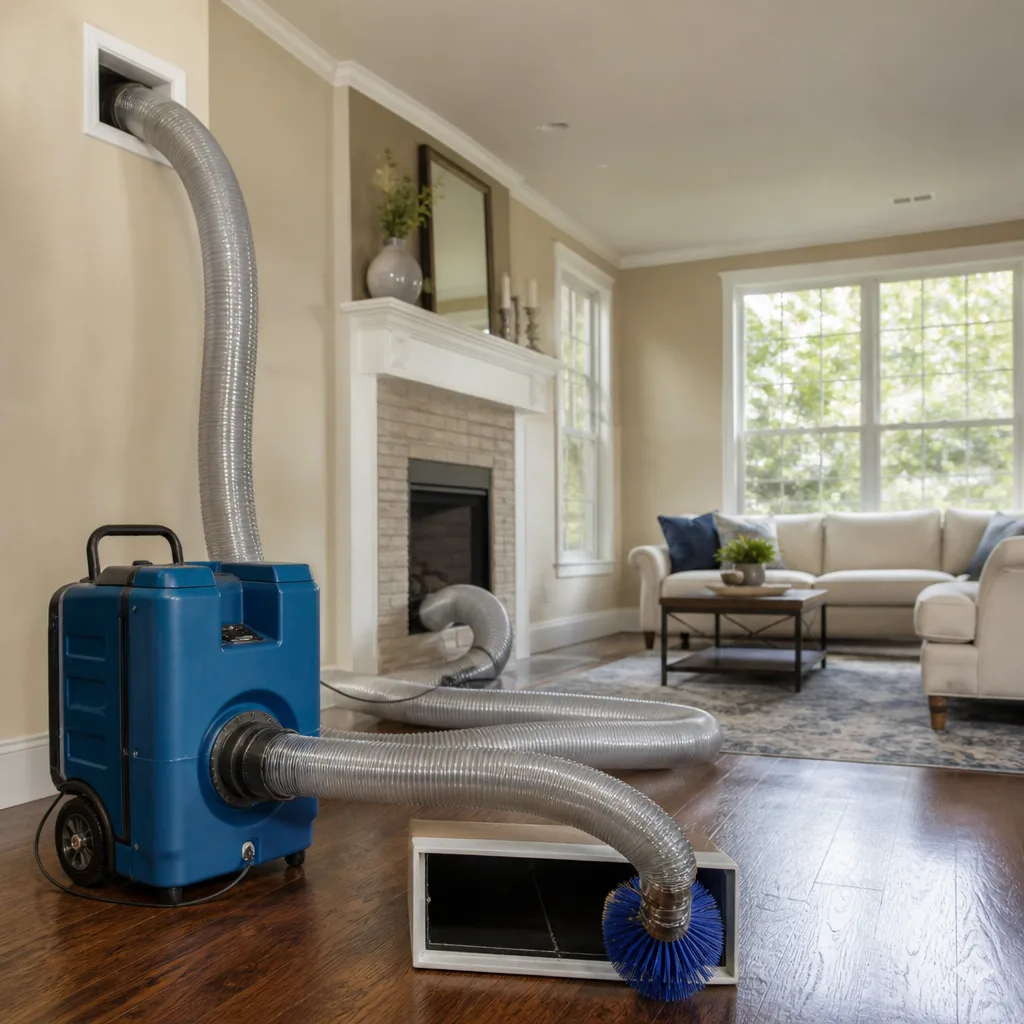 Whole-home duct cleaning
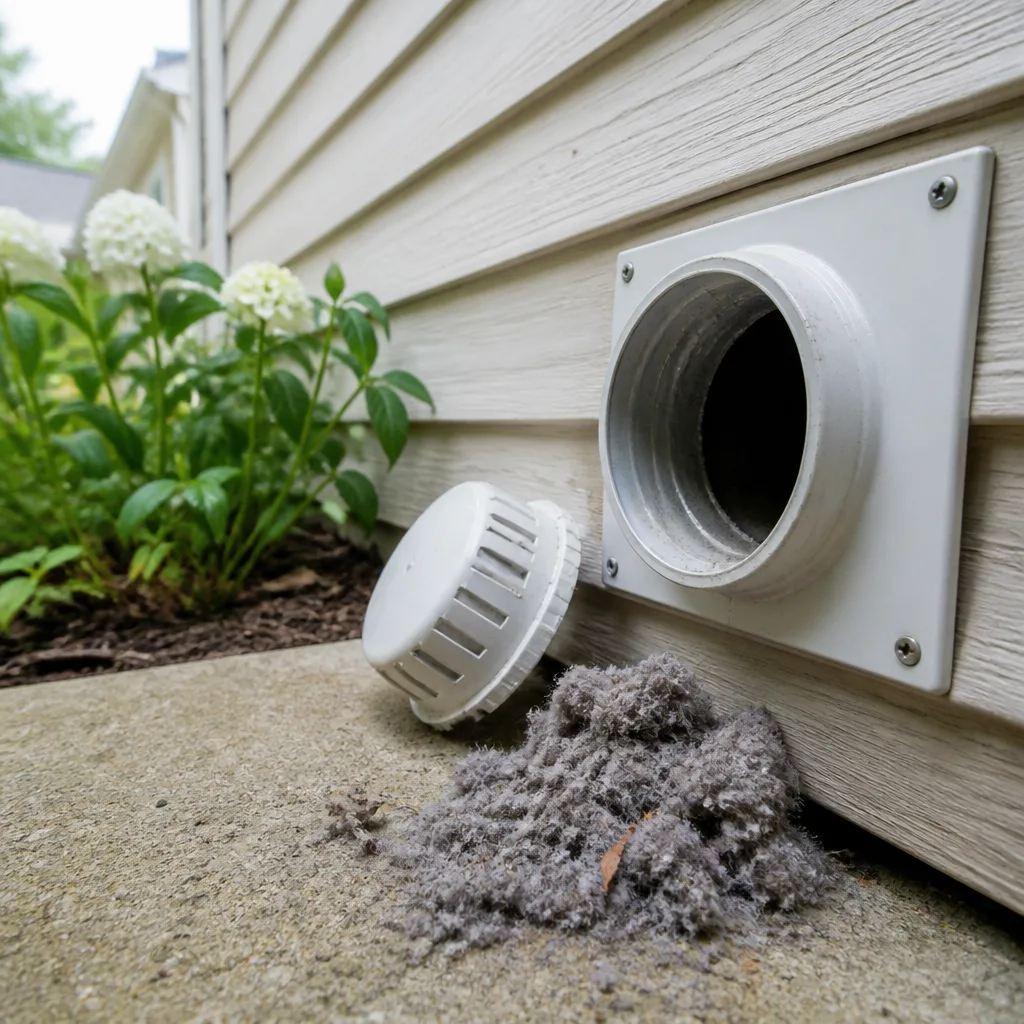 Dryer vent cleaning
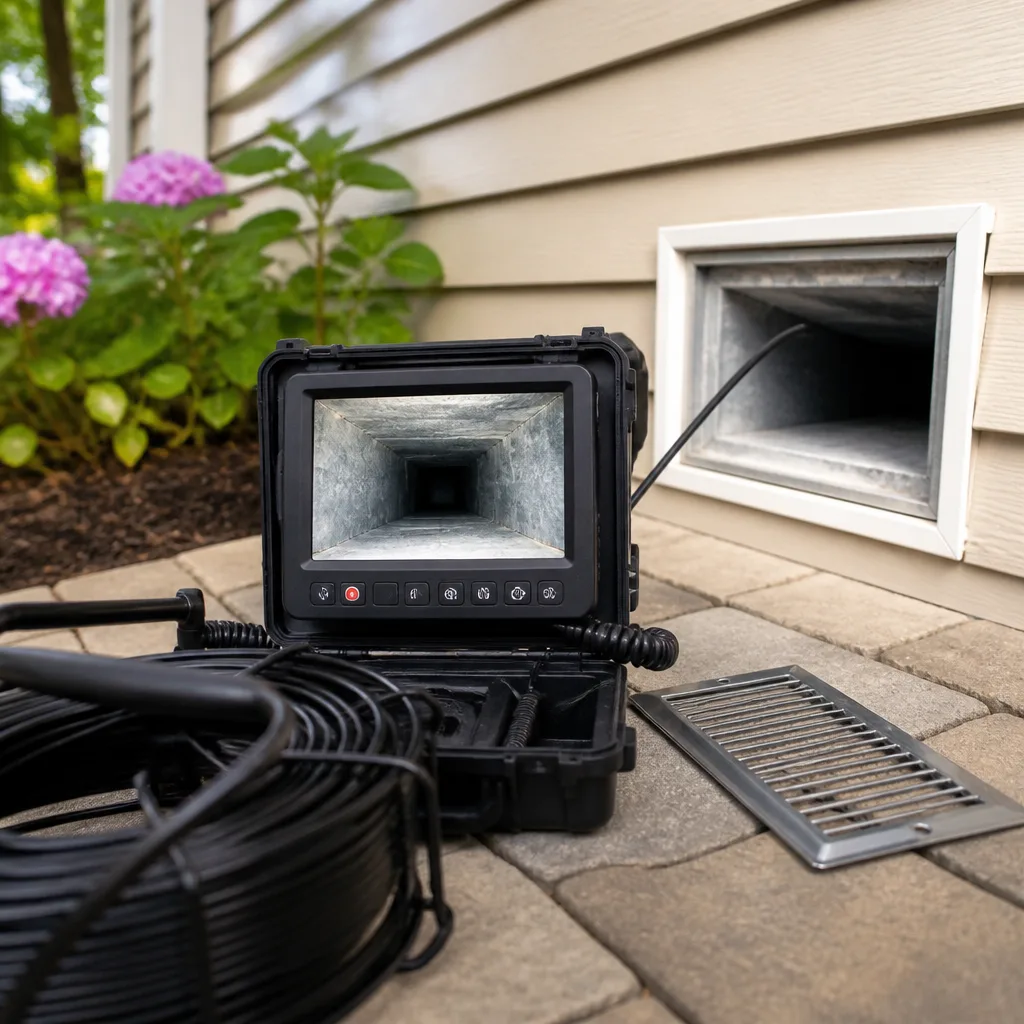 Camera inspection
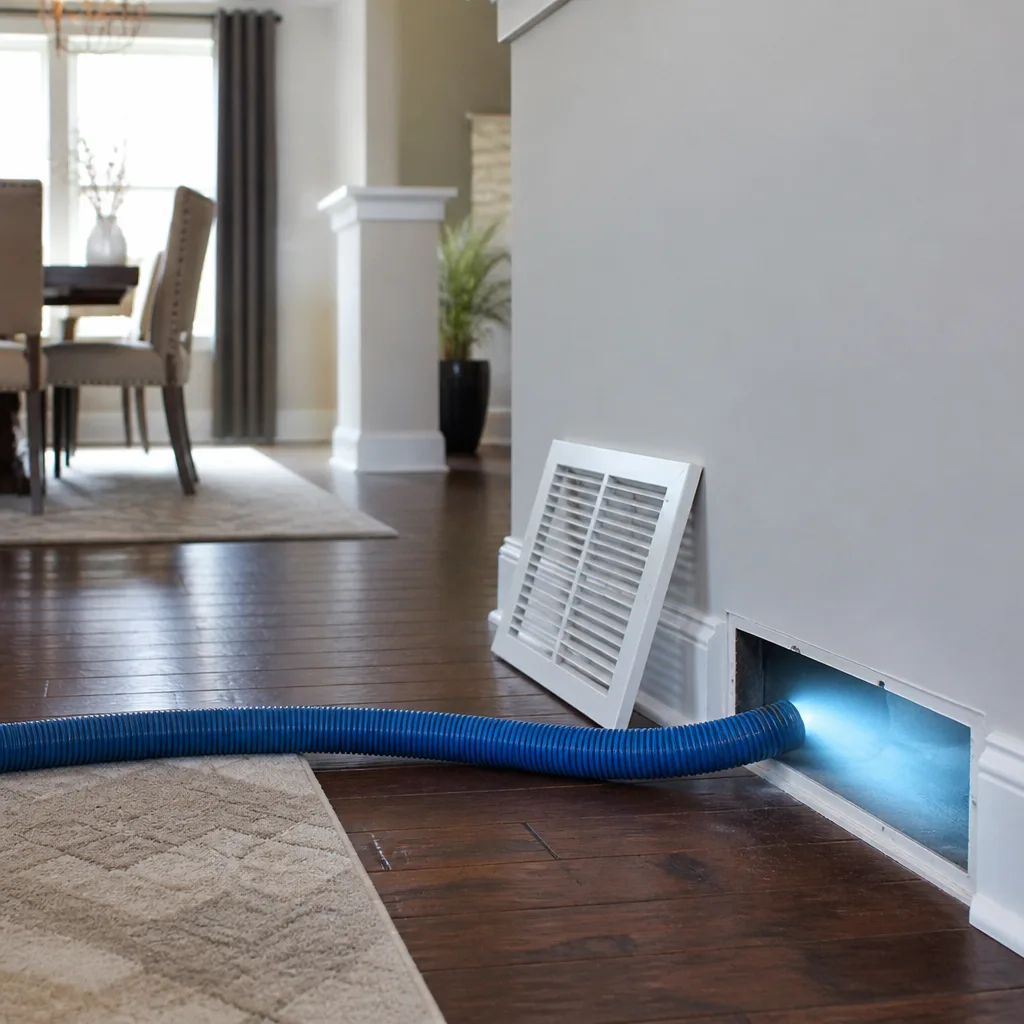 Sanitizing & deodorizing
Whole-system duct and dryer vent check with before-and-after photos - you see exactly what came out of your vents
That "$99 whole-house special" is a bait ad - the real number appears once they are in your hallway, or the "clean" is a shop-vac at the register. We photograph the inside of your ducts before and after instead.
Air Duct Cleaning Permits, Codes & Inspections in Spanish Fork, UT: What You Need to Know
Here’s the part almost nobody explains before they book a duct cleaning: the cleaning itself usually doesn’t need a permit, but the repairs that often ride along with it can. If a technician reseals a run, swaps out a flex duct, or mounts an in-duct UV system while they’re already in your crawlspace or attic, you may have crossed from maintenance into permitted HVAC work under Utah County code. Most homeowners learn this at the worst possible moment, when a home inspection or insurance adjuster asks for documentation that doesn’t exist. This guide draws the line clearly for Spanish Fork homeowners: what’s cleaning, what’s regulated, who has jurisdiction, and what paperwork to keep.
Quick Answer
Cleaning your air ducts in Spanish Fork does not require a building permit. However, duct replacement, plenum alterations, and installation of in-duct UV or ozone devices are HVAC modifications that can trigger a permit through Spanish Fork City or Utah County, and the person doing that work must hold a valid Utah HVAC contractor license. Industry standards like NADCA ACR and ASHRAE 62.1 guide how the work should be done, but they are not Utah law and are not enforced by a building inspector.
Styles & brands we work with
- Whole-home duct cleaning
- Dryer vent cleaning
- Camera inspection
- Sanitizing & deodorizing
Table of Contents
- Who Regulates HVAC Work in Spanish Fork: City vs. County
- The Line Between Cleaning and Permitted HVAC Work
- What Actually Triggers a Permit in Spanish Fork
- How to Verify a Utah HVAC License (It’s Not a General Contractor License)
- NADCA ACR and ASHRAE 62.1: Standards vs. Law
- What an Inspection Looks Like and Who Calls for It
- Documentation to Keep After Duct Work in Spanish Fork
- How Spanish Fork’s Climate and Housing Shape Duct Work
Who Regulates HVAC Work in Spanish Fork: City vs. County
Spanish Fork sits inside Utah County, and building code enforcement here runs on two overlapping tracks. The city issues permits for work performed within its boundaries and inspects that work against the adopted building code. Utah County handles the same functions in unincorporated areas just outside city limits. For a homeowner, the practical difference mostly matters for unincorporated pockets near the edges of Spanish Fork, where the county building department, not the city, is the authority that signs off.
Both jurisdictions adopt versions of the International Residential Code and International Mechanical Code, which is where the rules about duct systems actually live. The mechanical code sections covering duct installation, sealing, and clearances are what an inspector checks. When we do air duct cleaning in Spanish Fork, we treat those same code sections as our working baseline even when no permit is involved, because duct runs that were installed to code are easier to clean, seal, and keep sealed.
What the city and county do not regulate is the act of cleaning. There’s no municipal ordinance in Spanish Fork that requires a permit, an inspection, or a filing before a technician runs a rotary brush and negative-air machine through your supply and return ducts. That surprises some homeowners, and it’s worth repeating: cleaning is maintenance, not construction.
Where people get confused is when a “cleaning” visit turns into something more. A technician who pulls out a crushed flex run and installs a new one has performed a duct modification. A technician who cuts into a plenum to add a UV light housing has altered the mechanical system. Those actions fall under the same permit and inspection framework as any other HVAC change, whether or not the invoice says “cleaning.” Knowing the boundary protects you.
The Line Between Cleaning and Permitted HVAC Work
The cleanest way to think about it: cleaning removes debris from a system that stays exactly as it was built. Modification changes the system. The first needs no permit. The second may. Here’s how the line breaks down for the work we do around Spanish Fork.
Cleaning only (typically no permit)
- Rotary-brush and negative-air cleaning of supply and return ducts
- Cleaning of the air handler, evaporator coil surface, and blower compartment
- Dryer vent cleaning, which falls under appliance venting rather than HVAC modification
- Sanitizing and deodorizing the interior of existing duct surfaces
- Replacing a filter with a higher-rated Honeywell or Aprilaire filter in the existing cabinet
This is the core of what we do, and it’s what most Spanish Fork homeowners actually need. The cleaning itself is a service, not a construction project.
Modification (permit may apply)
- Replacing a rigid duct section or an entire flex run with new ductwork
- Cutting into or altering the supply plenum or return plenum
- Installing an in-duct UV system, ozone generator, or inline air cleaner that requires cutting the duct or tapping into electrical
- Adding or relocating a register, return grille, or duct branch
- Changing the size or routing of a duct run to fix airflow
This is where a homeowner in Spanish Fork can unwittingly end up with an unpermitted HVAC modification. The job started as a cleaning. Somewhere in the middle, a technician decided a damaged section needed replacing and did it on the spot. That may have been the right repair, but if a permit was required and none was pulled, the work is now undocumented, and a future buyer’s inspector can flag it.
Our approach is to keep the two scopes clearly separated in the written estimate. Cleaning is one line. Any repair or modification that could require a permit is quoted separately with a note about what’s involved. When in doubt, we tell homeowners to confirm with the Spanish Fork City building department before we start, and the HVAC cleaning work is scoped and priced on its own so nothing gets bundled together without your knowledge.
What Actually Triggers a Permit in Spanish Fork
Permit triggers vary by jurisdiction and by how the inspector reads the scope, so treat this as guidance rather than a rulebook. The safest approach is to call the authority that has jurisdiction over your address before the work starts, describe exactly what’s planned, and ask whether a permit is required. Here’s how that conversation usually breaks down.
- Determine jurisdiction. Confirm whether your address is inside Spanish Fork city limits or in unincorporated Utah County. The city building department and the county building department each have their own intake process.
- Describe the work in code terms. Say “replace a section of flexible duct” rather than “fix a duct.” Say “install an in-duct UV system” rather than “add a light.” Inspectors respond to the scope as it would appear on a permit application.
- Ask the threshold question. “Does replacing a section of duct require a mechanical permit here?” is the exact question that gets you a clean answer.
- Get the answer in writing if it’s a gray area. An email confirming the scope doesn’t require a permit is worth keeping with your home records.
- If a permit is required, pull it before work begins. Not after. Retroactive permitting is possible but adds delay and, in some cases, requires exposing work that’s already been closed up.
In our experience, the cuts that most often require a permit in Spanish Fork homes are plenum alterations and any new electrical tie-in to a duct-mounted device. Straight replacement of a damaged flex run is often handled as repair, but the interpretation can vary, so it’s worth the call. The whole conversation takes five minutes and saves the headache of unwinding a bad assumption later.
One point that catches people: the permit isn’t just paperwork. It comes with an inspection. An inspector verifies the duct was installed, sealed, supported, and clearanced correctly. That’s a quality gate, not a bureaucratic tax, and it’s the reason we don’t resent it.
How to Verify a Utah HVAC License (It’s Not a General Contractor License)
This is the mistake we see most often, and it’s an expensive one. A Utah general contractor license and a Utah HVAC contractor license are not interchangeable. Holding a general contractor license does not authorize someone to perform HVAC work, including duct modifications, and being a great general contractor tells you nothing about whether they understand duct sizing, sealing, or mechanical code. Duct work falls under the HVAC specialty.
Before any duct work in Spanish Fork that goes beyond cleaning, verify the credential. Here’s the process we’d walk you through if you called us and asked.
- Ask for the license classification. A Utah HVAC contractor license is a specific classification. Ask which classification they hold and write the license number down.
- Verify through the state’s online license lookup. The Utah Division of Professional Licensing maintains a public search. Look the number up yourself rather than trusting a business card or a website badge.
- Confirm the classification matches the work. Verify that the license covers the type of HVAC work being performed, not just that a license exists.
- Ask whether the person doing the work is the licensed contractor or an employee working under that license. Both arrangements can be legitimate, but you should know which one you’re dealing with.
- Confirm insurance. The licensed local professional who performs the work should carry liability insurance in the amount the state requires for that classification.
For cleaning-only jobs, the requirement is lighter, but we still think it matters. Rotobrush and Nikro equipment, when misapplied, can damage flex duct and dislodge components. The technician should know when to stop and call it a repair. That instinct comes from training and experience, not from a coupon.
Here’s what we can honestly say about the technicians we connect you with: the local pro is licensed and insured as their state requires. Our technicians have up to 8 years of experience. We connect homeowners in Spanish Fork with independent local HVAC professionals who do this work, and every one of them goes through a verification step before we pass an address along.
NADCA ACR and ASHRAE 62.1: Standards vs. Law
Here’s a distinction that matters for anyone reading about duct cleaning in Spanish Fork. NADCA ACR (the Assessment, Cleaning, and Restoration standard for HVAC systems) and ASHRAE 62.1 (the ventilation standard for indoor air quality) are industry standards, not Utah law. A building inspector doesn’t check your cleaning against ACR, and no government agency enforces 62.1 inside a single-family home in Spanish Fork. But the standards are still the benchmark professionals should be working to, and knowing them tells you what a competent cleaning actually involves.
What NADCA ACR means in practice
ACR sets out a sequence: assess the system first, then clean it, then verify the result. The assessment step is the one most often skipped. Before cleaning, a technician should inspect the system for damage, moisture, mold, and debris load, and document what’s there. The cleaning step specifies equipment capable of removing debris from the full length of the duct, including mechanical agitation and vacuum with enough capacity to hold what’s disturbed. The source removal piece is why rotary-brush systems like Rotobrush matter. A shop-vac with a wand doesn’t meet ACR, and no honest cleaner would pretend it does.
Verification is the final step, and it’s what we mean when we say before-and-after photos. You should be able to see the inside of your ducts before the brushes go in and after the cleaning is finished. Not a photo of a truck, not a stock photo of a spotless duct. Your ducts.
What ASHRAE 62.1 means in practice
62.1 is about ventilation rates and indoor air quality. In a residential setting, it’s the standard that most directly informs whether a system is providing adequate fresh air and controlling contaminants. Where the standard becomes useful to a Spanish Fork homeowner is after a cleaning, when the question “now what?” comes up. Improving filtration with a higher-rated filter (a Honeywell or Aprilaire filter cabinet can accommodate a media filter that exceeds what a builder-grade return grille holds) or adding humidity control is the practical application of that standard.
ASHRAE 62.1 also informs how we think about sealing. A duct system with leaks in the attic or crawlspace exchanges indoor air for whatever’s in the crawlspace, and no amount of cleaning fixes that. Sealing is the prerequisite for cleaner air. Standards like ACR and 62.1 give us a framework, and Utah code gives us the legal floor. The two aren’t the same, and knowing which applies to your situation is half the battle.
What an Inspection Looks Like and Who Calls for It
Not every duct job involves an inspection. Cleaning-only jobs don’t get inspected because they don’t get permitted. Permitted modifications do. Knowing which is which tells you what to expect.
Cleaning jobs: no inspection (unless you ask)
When we clean ducts in Spanish Fork with Rotobrush and Nikro equipment, backed by Abatement Technologies negative-air containment, there’s no inspector at the door. But we do recommend the verification step from NADCA ACR: review before-and-after photos with the technician before signing off, and ask them to walk you through any damage or moisture they found. If they can’t or won’t, that’s a signal.
Permitted modifications: an inspector visits
If a duct replacement, plenum alteration, or in-duct device installation requires a permit, an inspector from the jurisdiction with authority over your address will visit. The inspector checks the installation against the adopted code, confirms clearances, and signs off. If the work is buried behind drywall or ceiling, the inspection happens before it’s covered.
Here’s the local wrinkle worth knowing: Spanish Fork homes in crawlspace construction often route ducts under the floor, where they’re accessible and inspectable. In slab-on-grade homes, ducts run in the attic, which is also accessible but hotter and tighter. Inspection of attic duct work means the inspector needs the attic access clear and safe. We mention this because it’s the kind of practical detail that trips up a project after the fact rather than before.
The other thing to know is that inspections cost time. Not necessarily money, but time. If your project is on a schedule (a sale, a remodel, a tenant move-in), build in the inspection step. The contractor schedules the inspection, not the homeowner, but the homeowner should ask when it’s scheduled so they know what’s happening.
Documentation to Keep After Duct Work in Spanish Fork
The single most underrated protective step for a Spanish Fork homeowner isn’t picking the right contractor. It’s keeping the paperwork. When you sell your home, when you file an insurance claim, or when a system fails and you need the manufacturer’s warranty honored, the paper trail matters more than most people realize. Here’s what to keep.
- Scope of work letter. A simple document listing exactly what was done: cleaned supply and return, sealed joints in attic, replaced flex run in master bath, installed Aprilaire filter cabinet, etc. The plainer, the better.
- Before-and-after photos. Actual images of your duct interiors from the assessment step and after cleaning. These serve as both proof of work and a baseline for future comparisons.
- Permit and inspection records. If any permitted work was involved, keep copies of the permit and the inspection sign-off. This is the document a buyer’s inspector will ask to see.
- Equipment documentation for anything installed. UV system, filter cabinet, humidifier, dehumidifier: retain the make, model, and installation date. Warranty claims need this.
- Mastic and sealant product information. Duct sealing is often done with mastic, and the product used should be documented. If you ever sell, a buyer’s inspector may want to confirm the sealant meets code.
- The contractor’s license number and insurance certificate. Keep the verification documentation alongside the invoice.
We think about this when we do duct repair and sealing in Spanish Fork. Any component installed (a Honeywell filter cabinet, an Aprilaire humidifier) gets documented in the invoice with the model and install date. That’s not extra service. It’s the minimum standard for work that touches a system tied to resale value and insurance.
If a permitted modification was made, keep the inspection sign-off. It costs nothing to keep and can prevent a very expensive conversation with a buyer or an adjuster later.
How Spanish Fork’s Climate and Housing Shape Duct Work
Spanish Fork sits in a river valley south of Utah Provo, which means a couple of things for duct systems that don’t come up in places with a milder climate. The temperature swing between summer and winter is substantial, and the days swing hard too. Ductwork in a vented attic sees that swing fully, and repeated expansion and contraction over years can open seams and joints that started out tight. That’s not a crisis. It’s a reason to inspect seals periodically, especially if you’re already hiring for air duct cleaning and the technician is in the attic anyway.
The dry climate helps in one way and hurts in another. Dust and debris accumulate differently in dry air, but the same dry air means dust stays airborne longer and gets pulled into returns at a higher rate. If you notice dust settling on surfaces shortly after cleaning, that’s usually a sign of pressure imbalance from leaks or undersized returns, not a cleaning failure. Sealing and correcting airflow address the cause.
Wind is a real factor in the valley, and it brings dust into outdoor intakes and gable vents. Homes with a leaky return in the attic can pull that dust into the system. During cleaning, we look for these leaks as part of the assessment. A return in the attic that isn’t sealed is a hole into the conditioned space, and cleaning without sealing it is a temporary fix.
Spanish Fork’s mix of slab-on-grade and crawlspace homes means duct layout varies a lot from one neighborhood to the next. Crawlspace ducts are more accessible but can pick up moisture and debris from the crawlspace itself if the barrier is compromised. Attic ducts run hotter and lose more energy. Neither layout is inherently better. Each just needs the right assessment. If you’re already scheduling dryer vent cleaning, that’s a good time to have the technician note the condition of any exposed duct runs they can see.
One local fact worth bringing up: Spanish Fork homes are often on larger lots with mature trees, and cottonwood fluff in late spring clogs exterior vents and grilles. A grille full of fluff is a simple fix, but it also tells you debris is being pulled toward the intake. That’s worth flagging during a cleaning visit.
Common Mistakes to Avoid
- Assuming cleaning covers repairs. A cleaning scope and a repair scope are different, and the permit question only applies to the repair. Ask for them to be quoted separately so you can see exactly what’s being done and what it might trigger. Blurring the two is where unpermitted work starts.
- Verifying a general contractor license and calling it done. A general contractor license does not authorize HVAC work in Utah. For any duct modification, verify the HVAC classification through the state’s license lookup yourself, not through a business card.
- Paying before you see the after photos. The verification step from NADCA ACR exists for a reason. Review before-and-after images of your own ducts before you sign off. If the contractor won’t produce them, that tells you something.
- Letting a technician cut into a plenum without confirming the permit question. Plenum alterations are one of the clearest permit triggers. Before the cut, the scope should be settled and the permit question answered.
- Throwing away the paperwork. The scope of work letter, photos, and any installation documentation are what protect you at resale or claim time. File them with the closing documents on the house, not in a junk drawer.
- Assuming a coupon price is the actual price. A low teaser price that turns into a bigger invoice once the technician is on site is the bait-and-switch pattern this industry is known for. We quote one flat price per system, agreed before work starts, with no per-vent pricing. Call for an exact estimate.
- Skipping the leak check. Cleaning a leaky system and calling it done is a temporary fix. If the technician doesn’t inspect seams and joints during the cleaning, ask them to, especially in a Spanish Fork attic where the temperature swing works against you.
See the difference
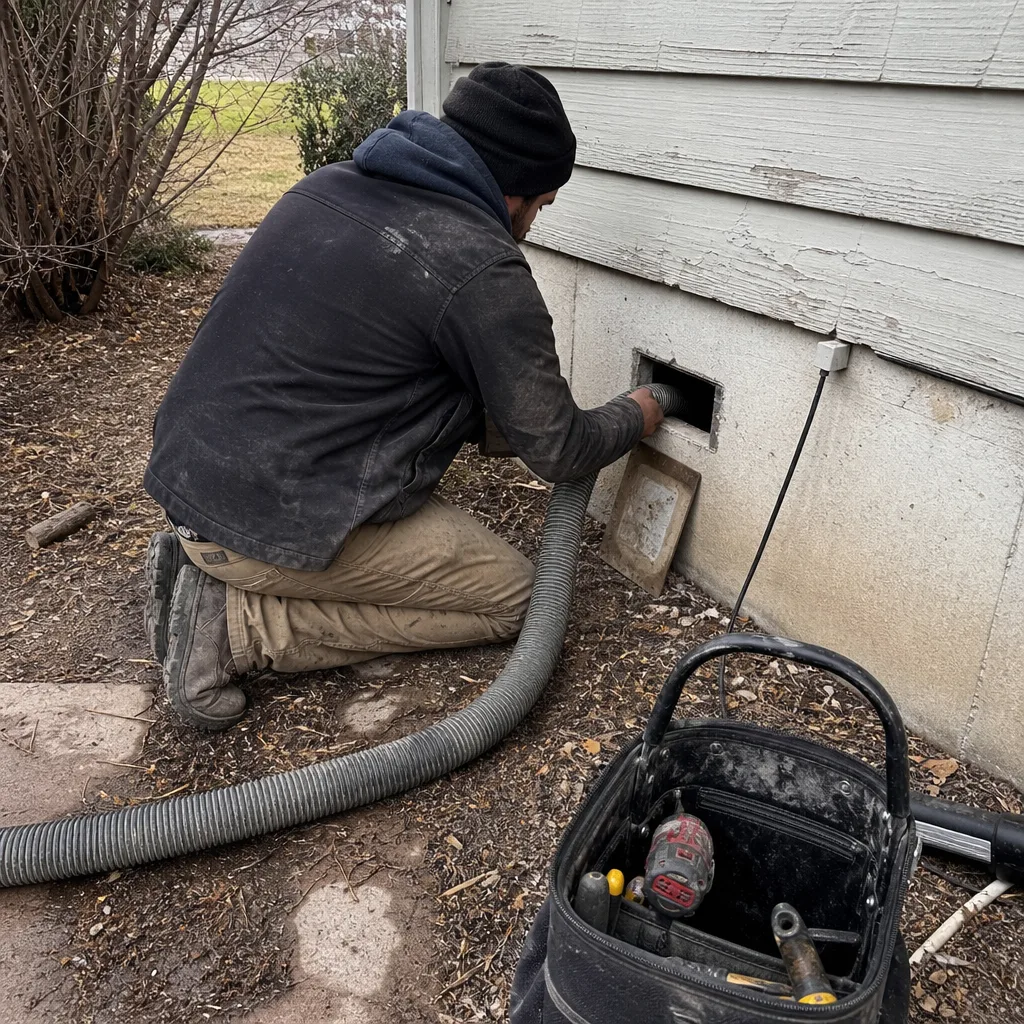 Before
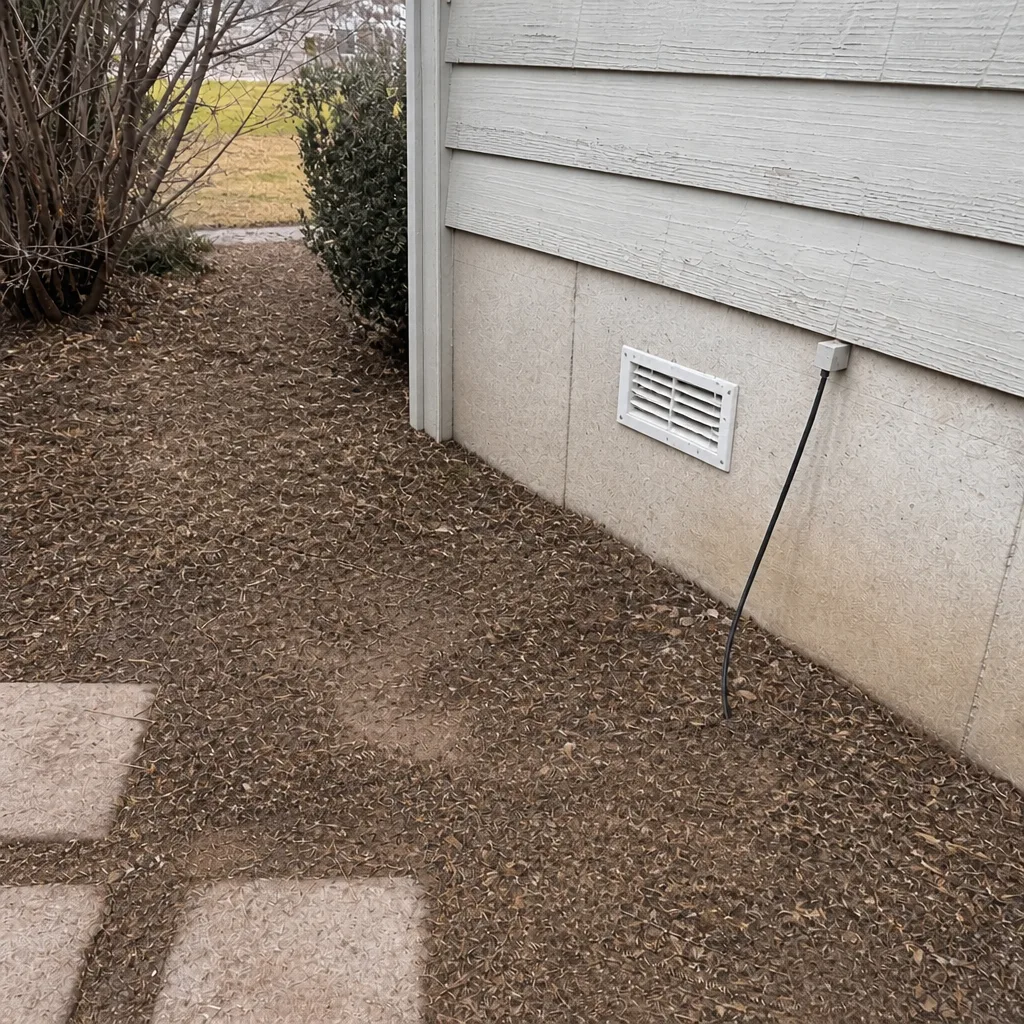 After
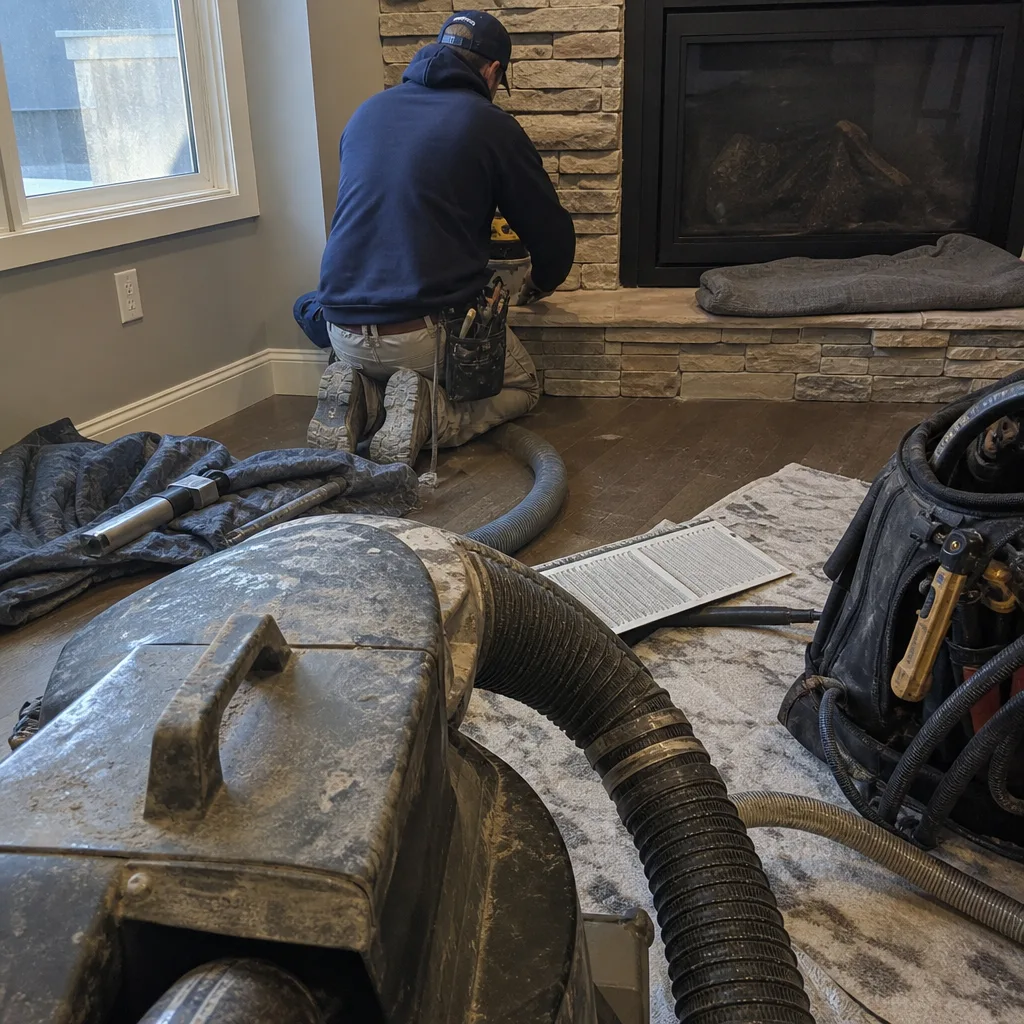 Before
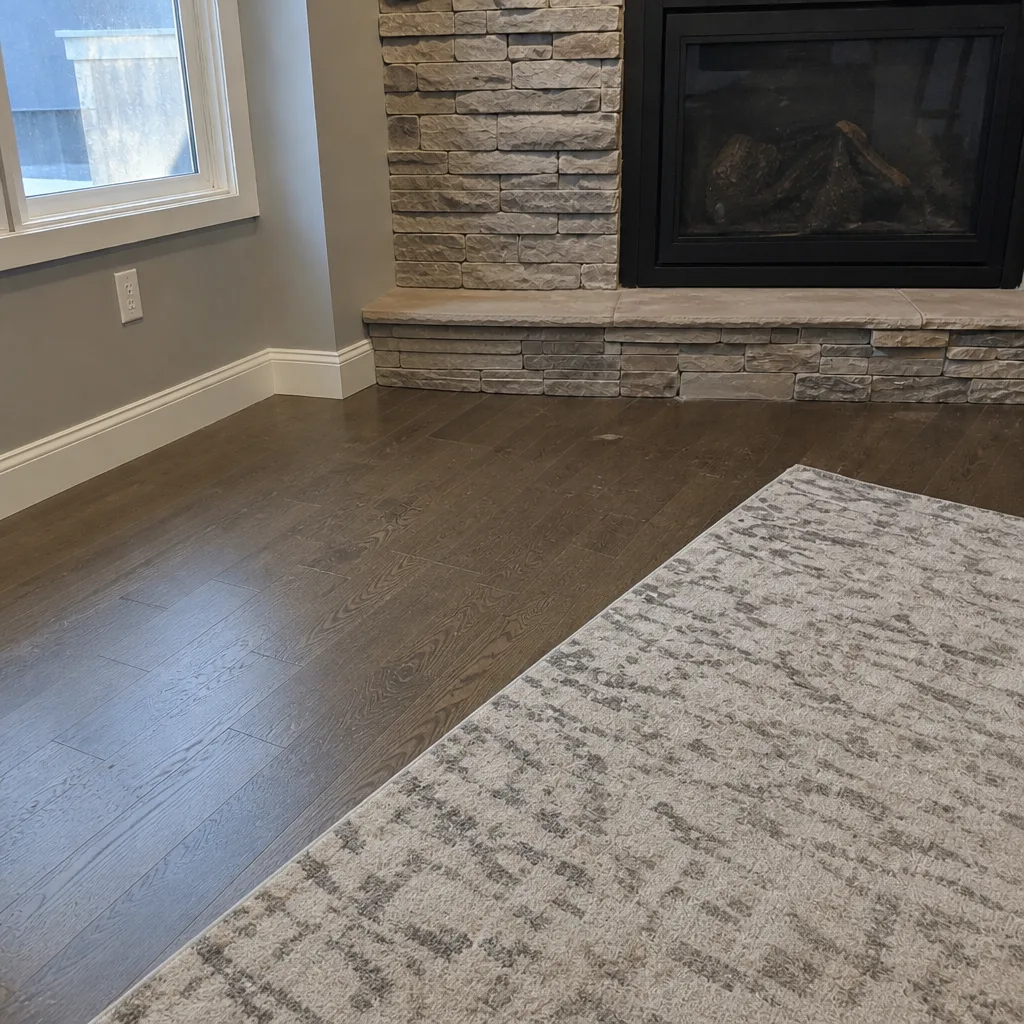 After
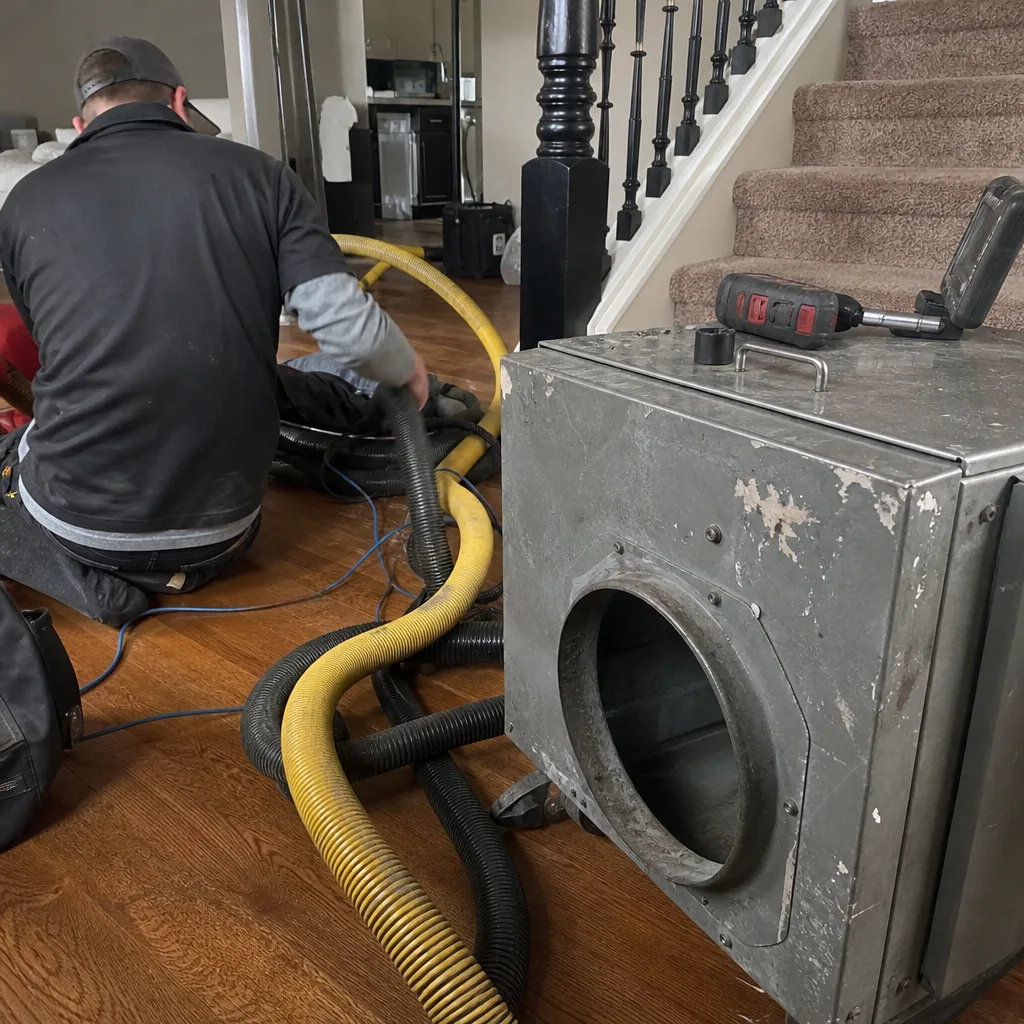 Before
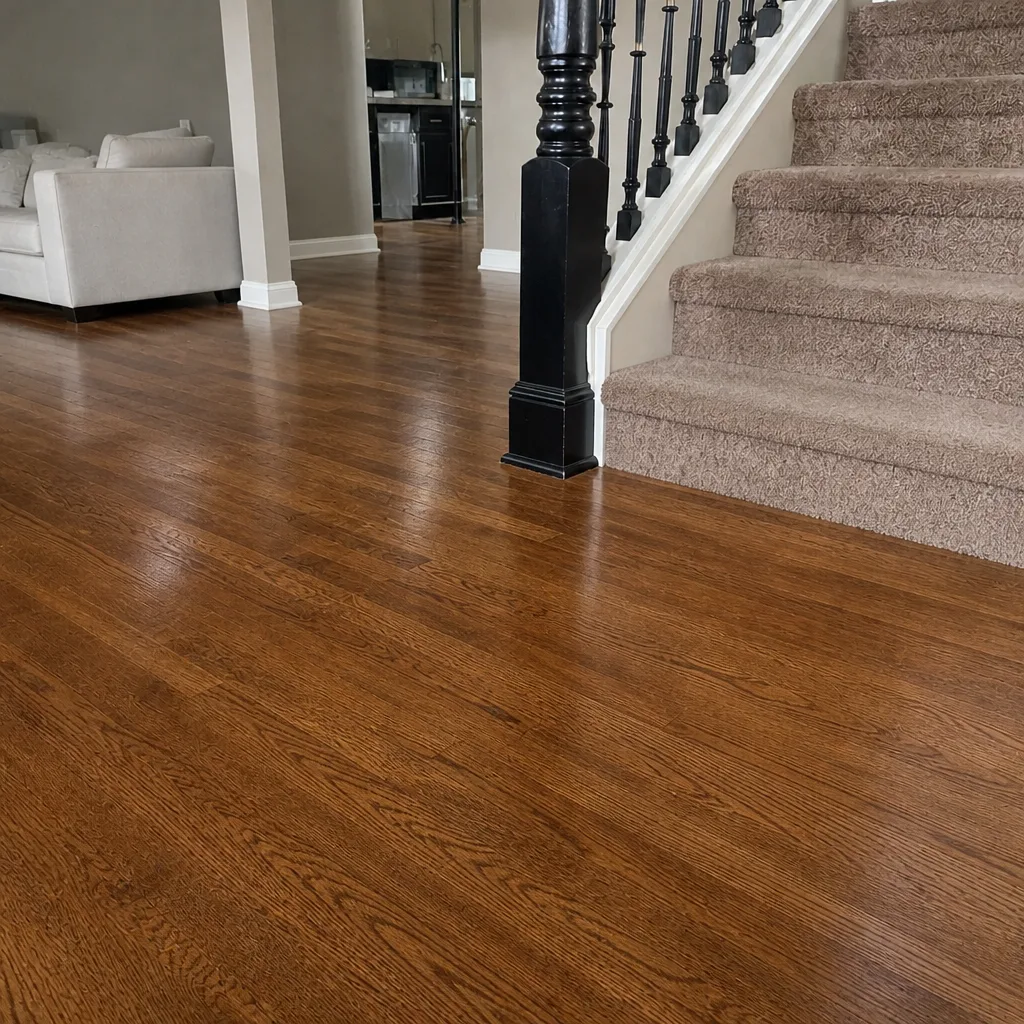 After
When to Call a Professional
Not every duct issue needs a professional. Filter changes, grille cleaning, and dusting register covers are all reasonable homeowner tasks. But some situations call for a trained technician and the right equipment. If your ducts haven’t been cleaned and someone in the household is noticing allergy symptoms, musty odors, or uneven airflow from room to room, it’s worth a professional assessment. If your energy bills have crept up and you can’t find another explanation, leaky ducts are a common culprit, and a technician with a manometer and a smoke pencil can find them. If a flex run has visibly collapsed in the attic or crawlspace, or if the system was installed decades ago and never sealed, that’s a repair job, not a cleaning job. And if you’re planning to sell a Spanish Fork home and don’t have documentation on the duct work, a cleaning that produces before-and-after photos and a scope of work gives you a defensible record. Spanish Fork Air Duct Cleaning offers free estimates in Spanish Fork. Call (866) 937-8037. We answer 24/7. Fast dispatch from 7am to 7pm, Sunday through Friday.
Frequently Asked Questions
No. Cleaning air ducts in Spanish Fork does not require a building permit, and no inspection is triggered by cleaning alone. The permit question only comes up when the job crosses into duct modification, such as replacing a run, altering a plenum, or installing an in-duct device. Call (866) 937-8037 for an exact quote on cleaning. Estimates are free.
Yes. Duct repair that modifies the HVAC system is HVAC work, and Utah requires a valid HVAC contractor license for that scope. A general contractor license does not authorize it. Verify the license classification through the Utah Division of Professional Licensing lookup before work begins. If you’re unsure whether your scope counts as repair or cleaning, we can help you sort it out. Call (866) 937-8037.
NADCA ACR is an industry standard for how HVAC cleaning should be performed, including the assessment, cleaning, and verification sequence. Utah building code is law, enforced by inspectors, and covers installation and modification of the system, not cleaning. ACR is what a competent cleaner works toward. Utah code is what a permitted duct modification must meet. Knowing both tells you what to expect on your job. Our technicians have up to 8 years of experience working to both.
Not for cleaning-only work. An inspector visits only if a permit was pulled for modification work, such as a duct replacement or plenum alteration. The contractor schedules that inspection, and it happens before any work is covered up. Ask when it’s scheduled so you’re not surprised by it. If you want to talk through whether your job needs a permit, call us for a free estimate at (866) 937-8037.
Keep the scope of work letter, before-and-after photos of your duct interiors, any permit and inspection records, and the make, model, and install date for any equipment added (a Honeywell filter cabinet, an Aprilaire humidifier, a UV device). These matter at resale and at insurance claim time. We include this documentation with every job. Call (866) 937-8037 to schedule an estimate.
Possibly not. An in-duct UV system usually requires cutting into the duct or plenum and tying into electrical, and that’s a modification that can trigger a permit under city or county code. Verify the permit question with the authority that has jurisdiction over your address before the installation. If a technician suggests installing one during a cleaning visit without addressing the permit question, ask for clarification. Call (866) 937-8037 for a free estimate on a system that fits your ducts.
The Bottom Line
Cleaning doesn’t need a permit. Modification might. That’s the whole guide in one line. If a technician is only removing debris from ducts that stay as they were built, you’re in maintenance territory with no inspection required. If a flex run gets replaced, a plenum gets cut, or an in-duct device gets installed, you’ve crossed into HVAC modification, and a permit and inspection may apply through Spanish Fork City or Utah County. Verify the contractor’s URL of record on the state lookup as an HVAC licensee, not a general contractor. And keep your paperwork: the scope letter, the photos, and any permit records. When you’re ready for a cleaning or want to talk through a repair, call (866) 937-8037 for a free estimate from a team that uses Rotobrush and Nikro equipment and works to NADCA ACR standards on every job. We answer 24/7. Fast dispatch from 7am to 7pm, Sunday through Friday. Spanish Fork Air Duct Cleaning connects Spanish Fork homeowners with local professionals who do the work right and document it. Visit Spanish Fork Air Duct Cleaning to see the full service menu.
Written by the team at Spanish Fork Air Duct Cleaning.