
Last updated November 23, 2026
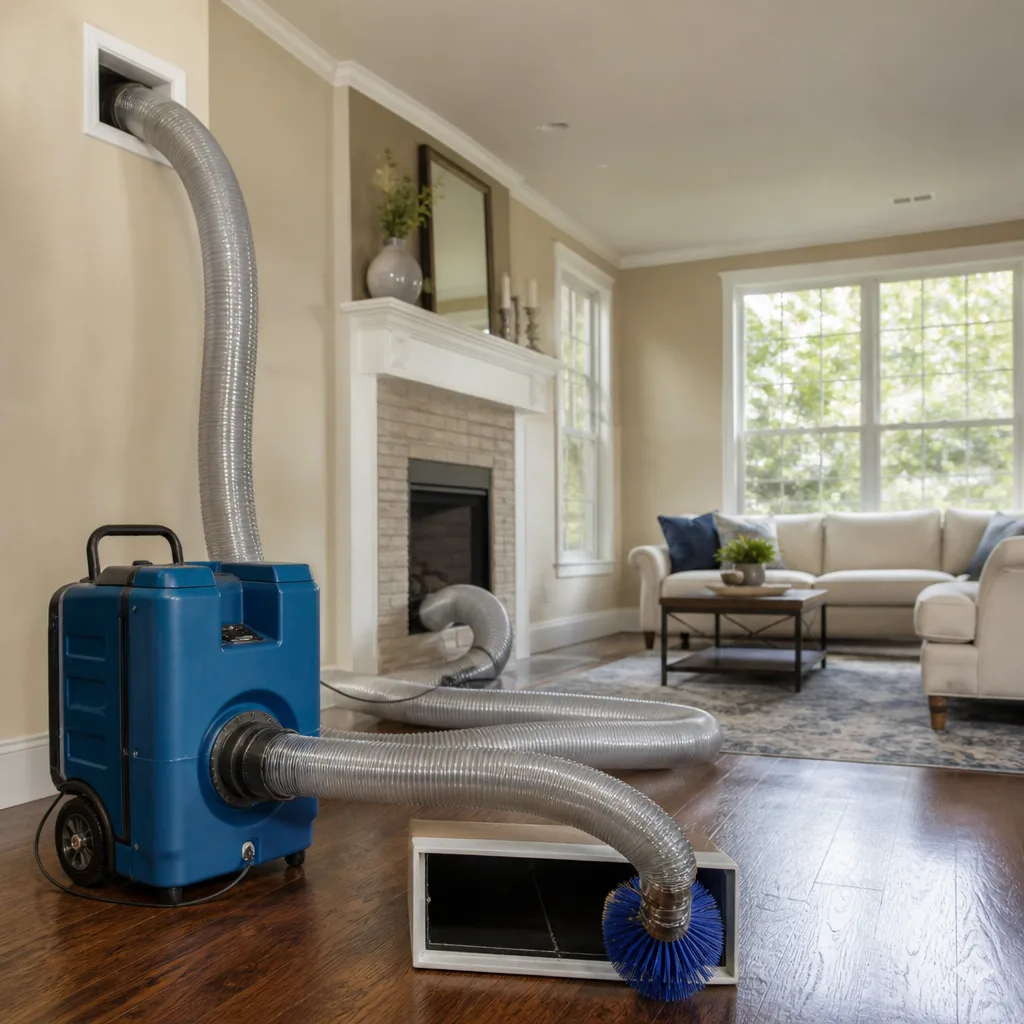 Whole-home duct cleaning
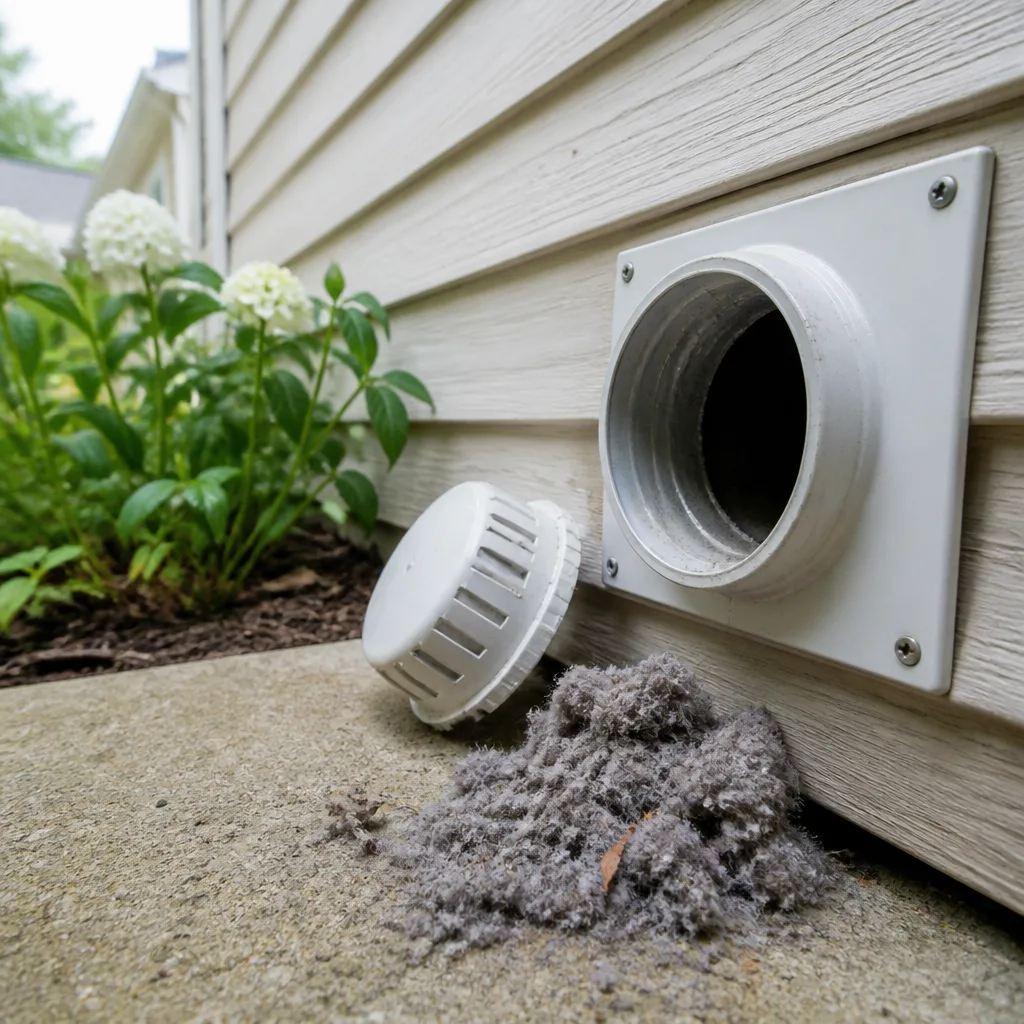 Dryer vent cleaning
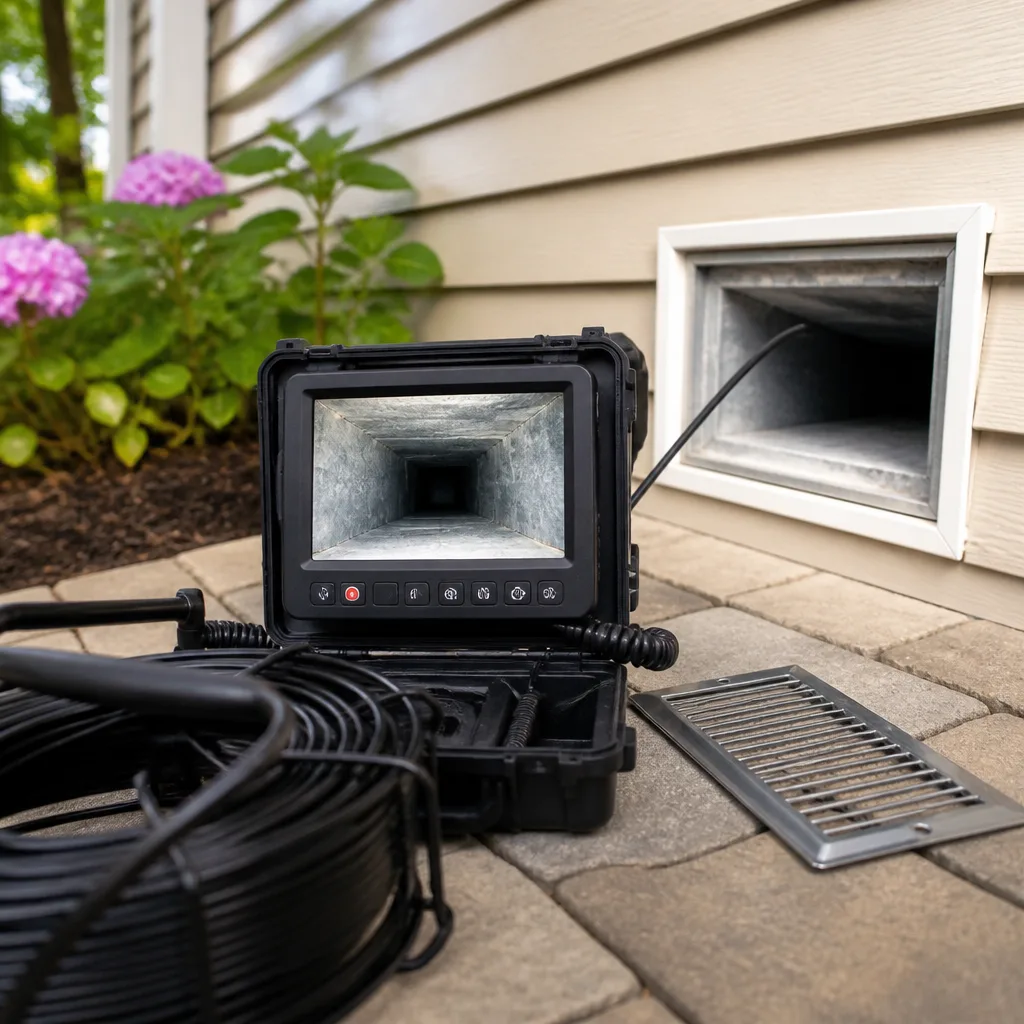 Camera inspection
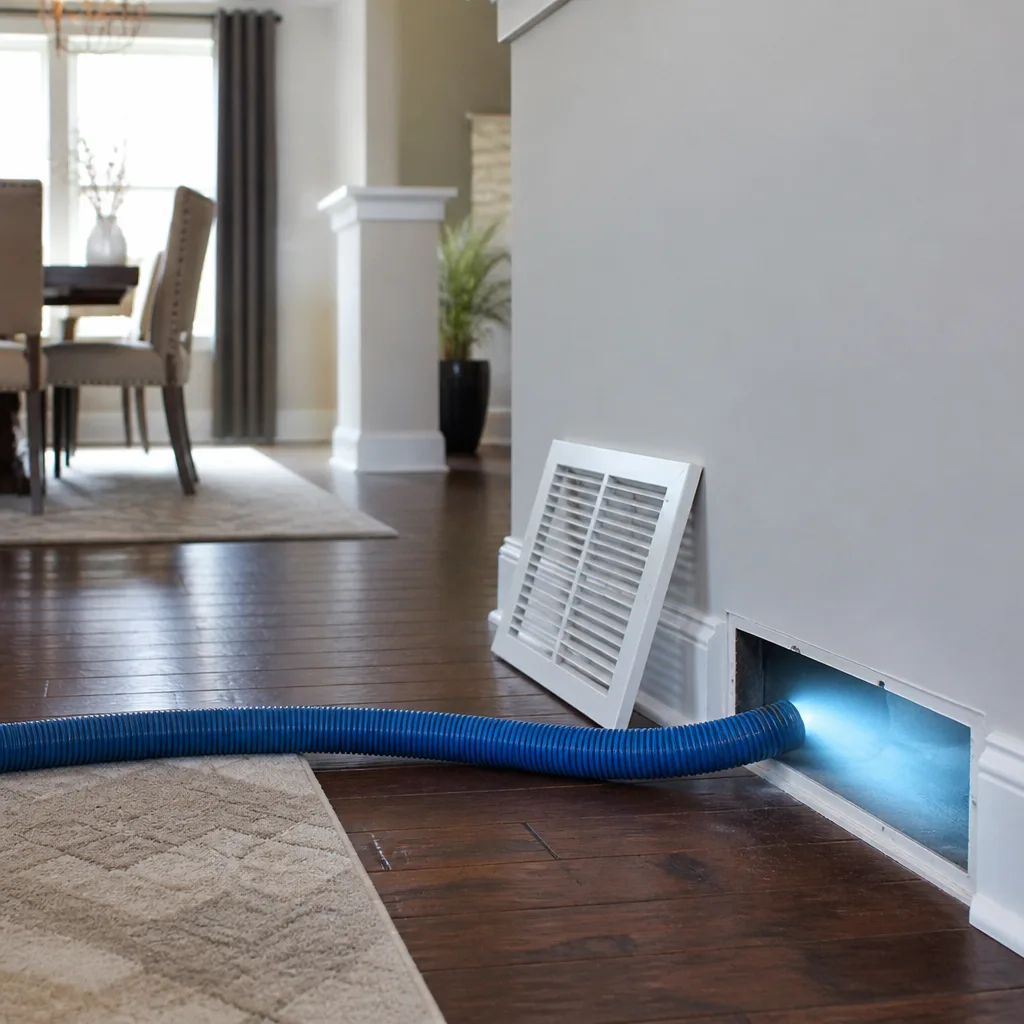 Sanitizing & deodorizing
Whole-system duct and dryer vent check with before-and-after photos - you see exactly what came out of your vents
That "$99 whole-house special" is a bait ad - the real number appears once they are in your hallway, or the "clean" is a shop-vac at the register. We photograph the inside of your ducts before and after instead.
Air Duct Cleaning Warning Signs: A Spanish Fork Homeowner’s Reference Guide
A musty smell in your Spanish Fork home is not a duct cleaning problem until you’ve ruled out the three things that cause most musty HVAC odors, and duct contamination is usually the last of them, not the first. That’s the uncomfortable truth about almost every “warning signs” list you’ll find online: “musty smell” and “visible dust” describe symptoms with a dozen possible causes, and only some of them call for duct cleaning. This guide teaches you to read the specific, diagnostic signals that actually point to your ductwork, so you don’t pay for a cleaning you don’t need or skip one you do. Our technicians have up to 8 years of experience reading exactly these signals in Spanish Fork homes.
Quick Answer
The warning signs that genuinely point to duct contamination are: visible gray fiber or matted dust buildup on register grilles and inside the first few inches of duct, uneven airflow between rooms that can’t be explained by a closed damper, a stale or moldy odor that returns after you’ve cleaned the coil and drain pan, and a sudden dust spike after an event like a wildfire smoke episode or an HVAC replacement. Signs like a single dusty room, a musty smell near the bathroom, or a high energy bill alone rarely justify cleaning ducts. When in doubt, a visual inspection of your registers and air handler is the cheapest way to find out.
Styles & brands we work with
- Whole-home duct cleaning
- Dryer vent cleaning
- Camera inspection
- Sanitizing & deodorizing
Table of Contents
- Differential Diagnosis: Is It Ducts, the Coil, the Drain Pan, or Filter Bypass?
- Airflow Pattern Analysis You Can Do Yourself
- Visual Register Inspection: Reading the Discoloration
- Post-Event Warning Signs Specific to Spanish Fork
- The One Sign That Demands Immediate Attention
- Signs That Allow a Scheduled Evaluation
- Common Mistakes to Avoid
- When to Call a Professional
Differential Diagnosis: Is It Ducts, the Coil, the Drain Pan, or Filter Bypass?
Before assuming your ducts are dirty, work through the four most common causes of “dirty HVAC” symptoms in a Spanish Fork home. Each has a different fix, and only one of them is solved by cleaning ductwork.
1. Evaporator coil fouling. The coil is a damp, finned surface inside your air handler. When it collects dust and biological growth, it produces a musty odor that travels through every register in the house, exactly like duct contamination would. The tell: the smell is strongest right when the system starts and fades as air moves, and every room smells the same. A coil cleaning solves it.
2. Drain pan and condensate issues. A clogged or slow-draining pan holds standing water and grows a distinctly sour, swampy smell. The tell: the odor is concentrated near the air handler or a closet return, and the pan may have a visible water line or slime. Fixing the drain and cleaning the pan solves it.
3. Filter bypass. If the filter frame doesn’t seal tightly, air slips around the filter and drags dust straight into the coil and ducts. The tell: a dusty coil even right after cleaning, and a bright line of dust around the filter edges. Sealing the frame fixes it.
4. Actual duct contamination. Once the three above are ruled out and the smell or dust persists, the ducts themselves become the likely source. This is when a proper diagnostic inspection and cleaning are worthwhile.
This sequence matters because a lot of “musty smell” cleanings sold in Spanish Fork are unnecessary. Run the check first. If you’d like a specialist to walk through it with you, we can.
Airflow Pattern Analysis You Can Do Yourself
Your registers tell a story if you know how to read the pattern. Spend a few minutes walking the house with the system running and note what each register does. The pattern of problems points to different parts of the duct system.
- Weak flow to one distant room, strong everywhere else. This usually points to an undersized branch, a crushed flexible duct in an attic, or a partially closed damper, not contamination. Cleaning won’t fix it, but a duct inspection will find the restriction.
- Weak flow to many rooms plus a dusty house. This points to a restricted main trunk or a dirty air handler. Leaking or sagging duct connections are often involved and a Spanish Fork Air Duct Cleaning visit includes checking those seams.
- Strong flow but a distinct odor at one or two registers. A localized smell at a single register often means contamination in that branch or something growing in the boot where the duct meets the floor or wall. This is a targeted problem, not a whole-system one.
- Uniform odor at every register, worse at startup. This points upstream to the air handler, coil, or a main trunk, and it’s the pattern most worth a professional look.
- Cold air at registers but a warm room nearby. This is a return-air or envelope problem more than a duct-cleaning problem; you’re losing conditioned air before it reaches the space.
In our experience in Spanish Fork, the pressure differences between a hot afternoon and a cool evening exaggerate every one of these patterns. Run the test at both times of day if you can. A register that feels fine at 8am and blows weak at 5pm is telling you something about duct leakage or a marginal system.
Visual Register Inspection: Reading the Discoloration
Pop off a few register grilles and look inside with a flashlight. What you see helps separate normal from concerning, and the type of discoloration tells you what’s happening inside the duct.
- Light, even gray dust on the grille face. Normal. Vacuum it and move on. Every home has some.
- Gray, fuzzy fiber buildup inside the first few inches of duct. This is matted dust and lint clinging to the duct wall, a strong sign of settled contamination. It’s the pattern most likely to justify cleaning.
- Black streaking or dark spotting. Streaking usually means air is leaking past a poorly sealed connection and pulling in soot or attic dust. The fix is finding and sealing the leak, then cleaning the affected run. Duct leak sealing matters more than scrubbing here.
- Rust staining or orange-brown residue. Points to moisture in the duct or high humidity, often around a bathroom exhaust or kitchen return. A wet duct is a separate problem that needs to be solved before cleaning.
- Slick, dark, or fuzzy growth with a strong odor. The most serious pattern. If it looks or smells like biological growth, stop and get a professional assessment; cleaning this kind of contamination without containment can spread it through the house.
Check at least five registers, ideally two on the far end of the system. A problem that shows up everywhere is upstream; a problem at one register is local. This single test saves Spanish Fork homeowners a lot of guesswork.
Post-Event Warning Signs Specific to Spanish Fork
Some of the most reliable warning signs appear right after a specific event. Neighborhoods across Spanish Fork sit in a valley where wildfire smoke settles when wind is calm, and homes near the Utah Lake and Palmyra side can be hit harder depending on the wind. Here’s what to watch for after the most common events.
After a nearby wildfire smoke episode
- A persistent ash or campfire smell that lingers weeks after the air clears.
- A visible gray film on registers or the return grille, even if you ran the fan continuously.
- A family member with worsening allergy symptoms during the weeks after, not during, the smoke event (smoke that settled in the ducts gets stirred up with every cycle).
After basement flooding or a plumbing leak
- A musty odor from floor registers, which is the classic sign that water vapor traveled into the duct and fed growth.
- Rust staining around boots and floor registers.
- Any visible mold on framing, drywall, or ductwork near the water line. Duct cleaning alone doesn’t fix a moisture problem; the damp source has to be corrected first.
After HVAC system replacement or major remodel
- A dust surge in the first weeks after new equipment goes in. Construction dust and drywall residue pull into the return and settle in the ducts.
- Debris visible in the return trunk after a remodel where dust barriers weren’t used.
- New gaps or disconnected ducts that showed up during installation; a duct system that was never sealed properly wastes energy and re-contaminates.
Each of these events creates a specific window where a cleaning makes the most difference. Catching it early is cheaper than waiting for contamination to settle and harden.
The One Sign That Demands Immediate Attention
Most warning signs allow a scheduled evaluation. One does not: a mold-positive odor combined with a high humidity reading in your home. That combination is not a “schedule when convenient” situation.
Here’s why. When a home’s relative humidity stays high, any biological growth in the ducts has the moisture to keep multiplying. The odor is the visible signal; the humidity is the fuel. A homeowner running a shower, a humidifier, or a slow leak in a basement can produce this combination in a Spanish Fork home and misread it as “just a dirty duct.” The risk is real and it compounds. A duct system that stays wet enough to grow mold is a duct system that needs assessment now, not a cleaning coupon.
What to do: get a professional to measure humidity, inspect the air handler and the ducts near any moisture source, and determine whether growth is present. If it is, proper containment matters more than scrubbing. That’s the reason our cleaning process uses ABATEMENT Technologies negative-air and HEPA filtration controls rather than a shop-vac and a brush; the same containment standard restoration crews use when they’re dealing with mold keeps the contamination from spreading through your house while it’s being removed.
If you smell a musty, mold-like odor and your home feels humid, call us. We answer 24/7. Fast dispatch from 7am to 7pm, Sunday through Friday. It’s worth ruling in or out quickly.
Signs That Allow a Scheduled Evaluation
Plenty of warning signs are worth acting on but don’t need a same-week response. Here’s where a scheduled look makes sense.
- Visible gray fiber buildup at several registers with no odor or moisture.
- A dust spike you can’t otherwise explain after a remodel or an event.
- Uneven room temperatures that a damper or duct leak could explain.
- A mild musty smell that comes and goes with the seasons rather than growing worse.
- A general sense that the ducts haven’t been inspected in years, with no specific symptom.
Even these are worth taking seriously, because settled contamination is stubborn. Organic material that’s been in a duct through a couple of Spanish Fork summers and winters tends to cling to the duct wall, and that’s where consumer equipment falls short. It’s the reason we run a Rotobrush rotary-brush system on every cleaning job rather than a wand and suction alone; the rotary brush physically scrubs the duct wall so the contamination is dislodged, then the Nikro extraction equipment pulls the debris out at the unit level. A proper look today is cheaper than letting a small issue become a whole-system one.
See the difference
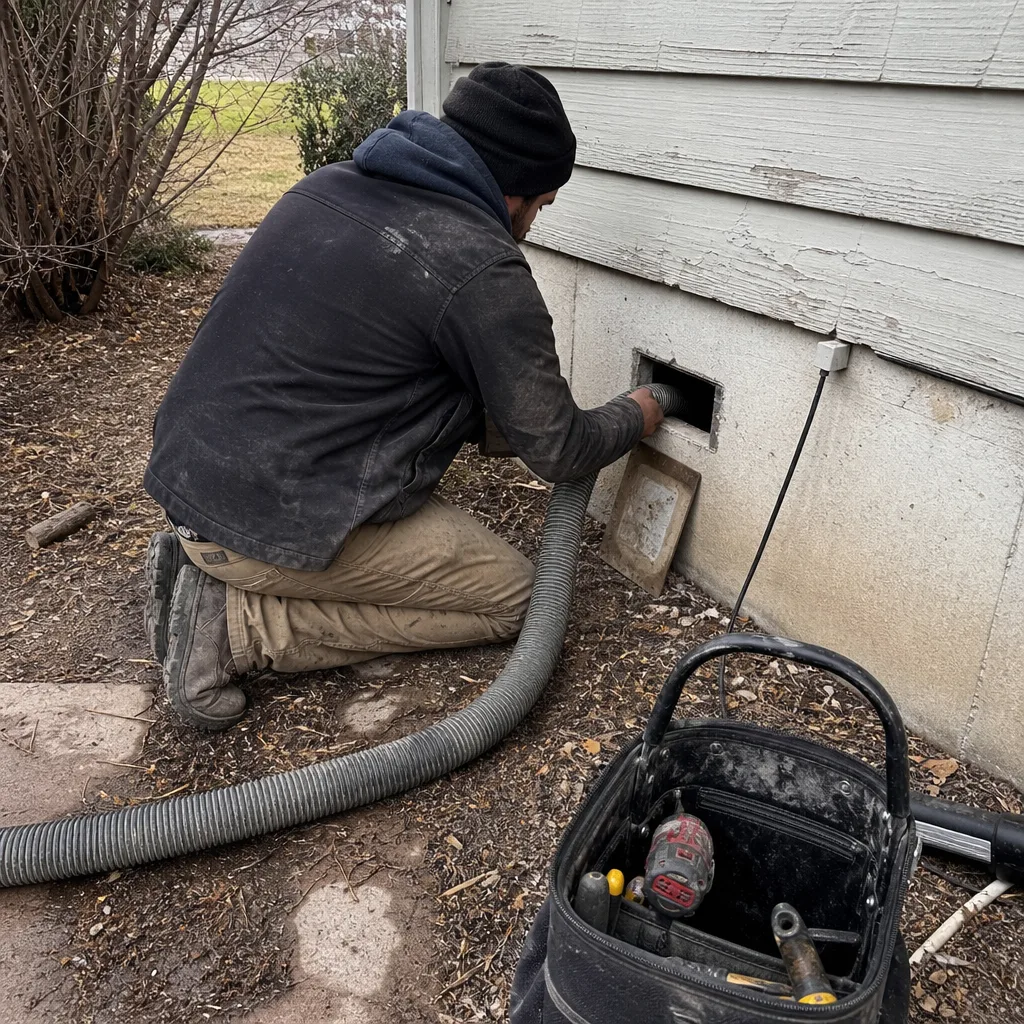 Before
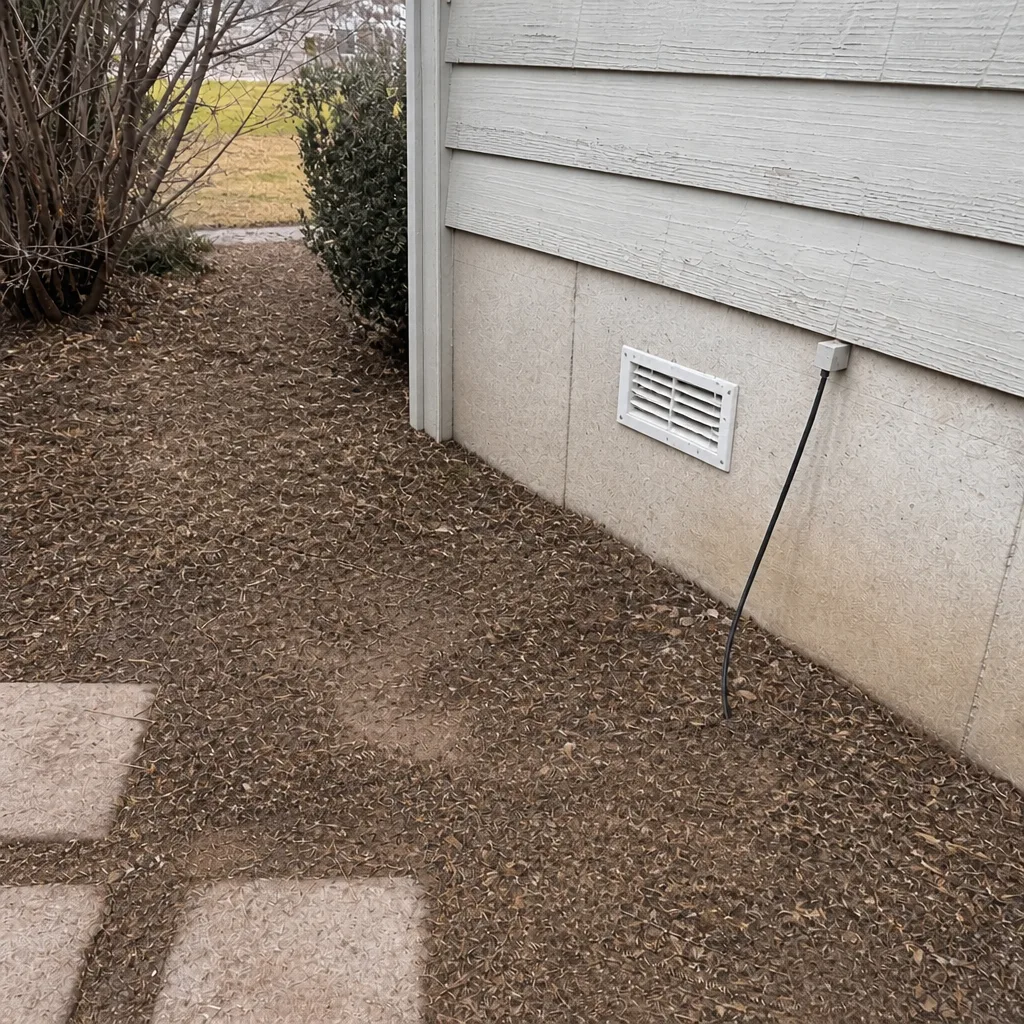 After
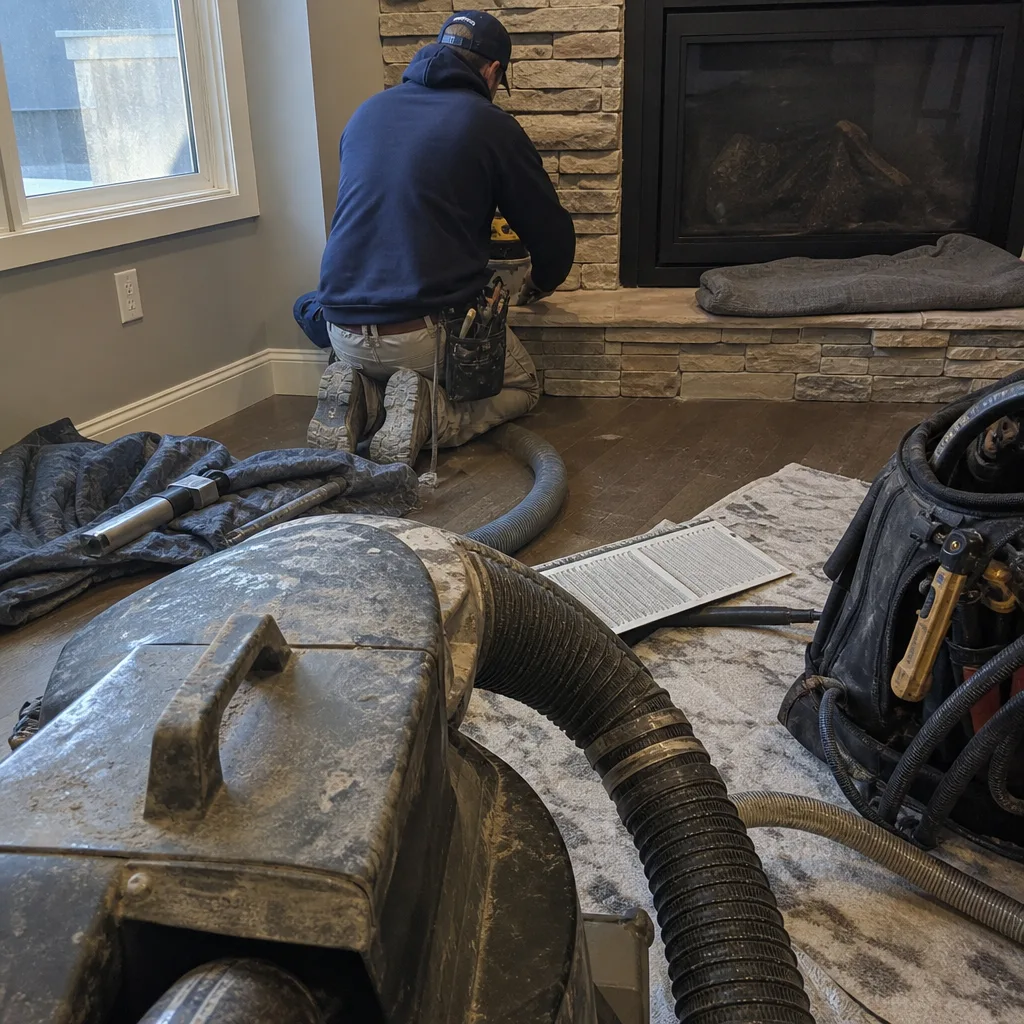 Before
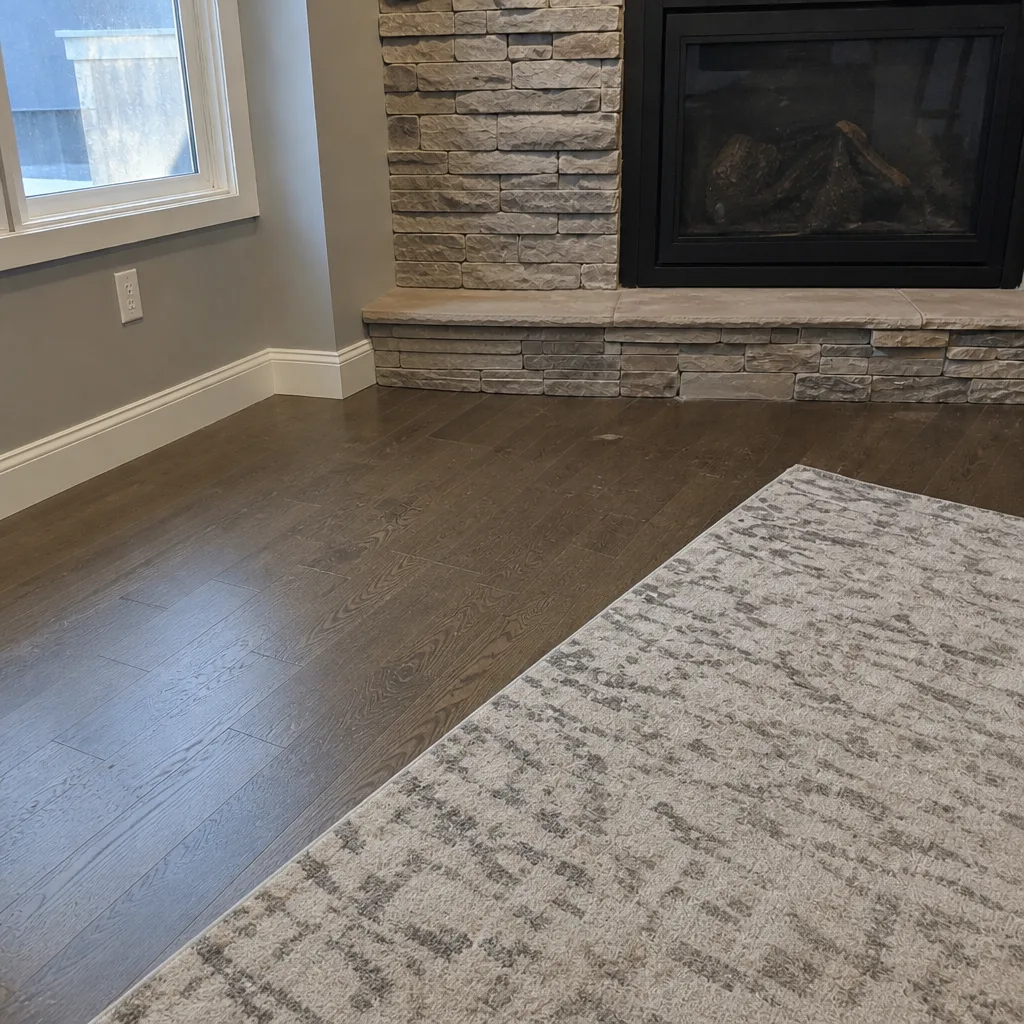 After
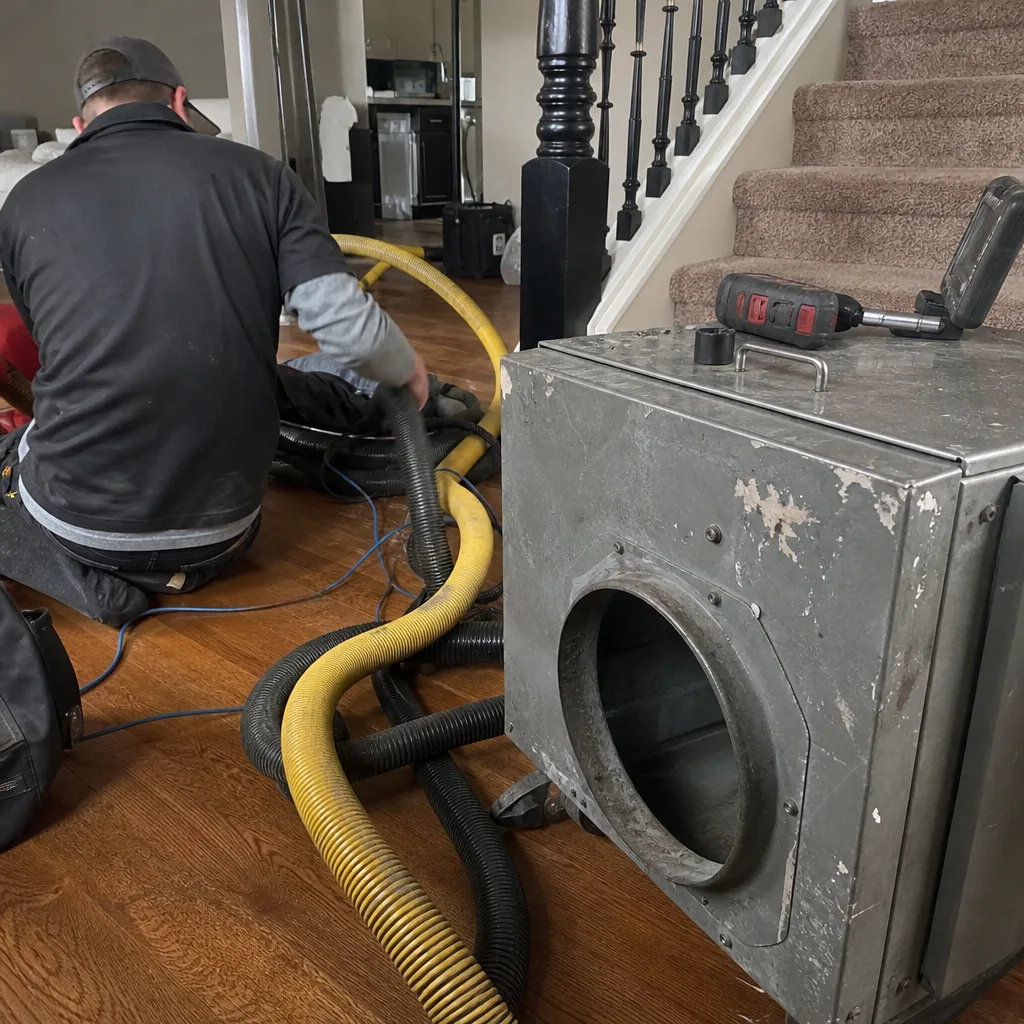 Before
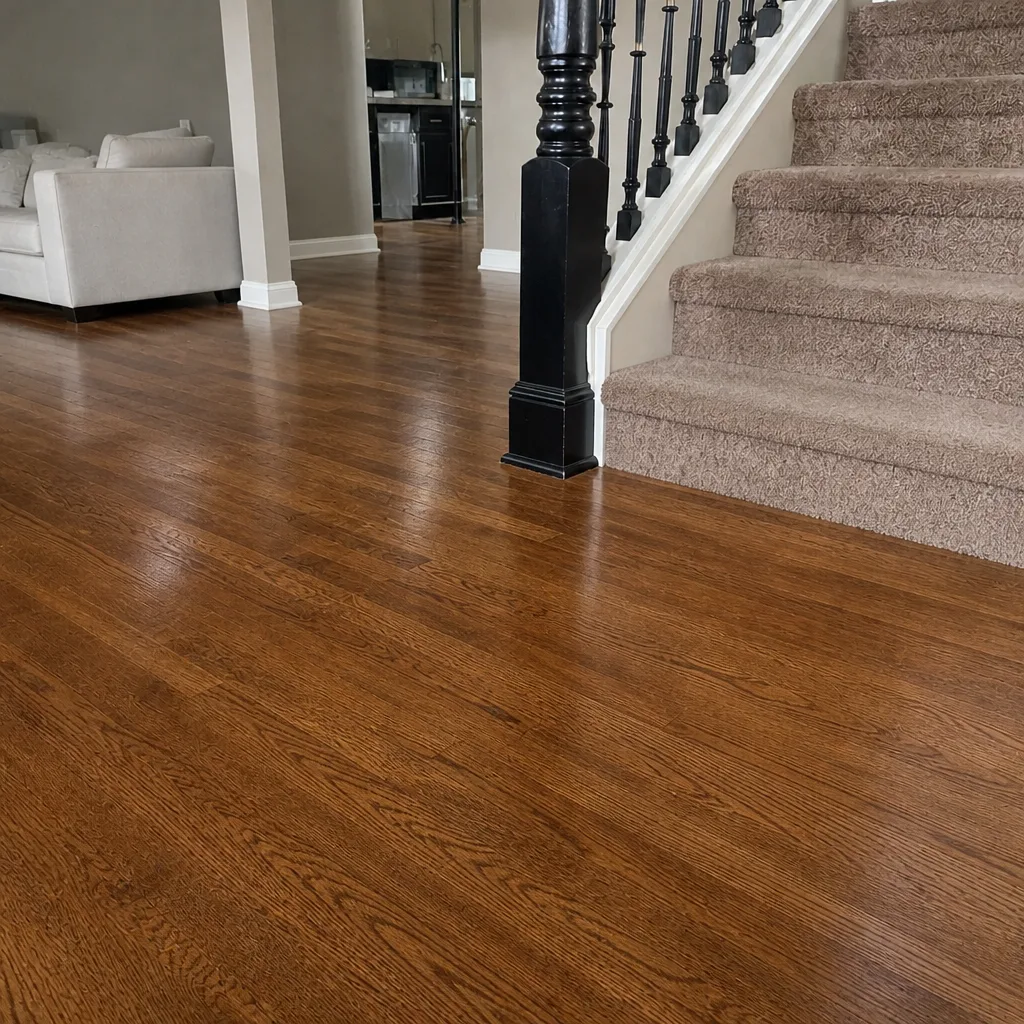 After
What a Proper Inspection Actually Involves
If you’re going to pay for a look, pay for a look that tells you something. A real diagnostic inspection should include five things. If a duct cleaner won’t do them, that’s a red flag in itself.
- A walk-through of every register with the system running, noting airflow and odor at each one.
- A look inside the return trunk and main supply trunk with a camera or mirror, not just a glance at the grille.
- An air handler check covering the coil, the drain pan, the filter frame, and any visible growth.
- A humidity reading taken in the conditioned space, so you know whether a moisture problem is in play.
- A written scope that names what will be cleaned, what won’t, and why, along with a flat price per system agreed before any work starts.
In our practice that last point matters most. You should know the price before anyone picks up a tool, and it should be a price for the whole system, not a per-vent number that grows once the job is under way. That single practice prevents the bait-and-switch confusion that the duct cleaning industry has earned a bad reputation for.
Common Mistakes to Avoid
- Treating a musty smell as a duct-cleaning problem before the coil and drain pan are checked. Two-thirds of musty HVAC odors in Spanish Fork homes trace to the coil or pan, and cleaning ducts first wastes the money. Check those first.
- Buying on a per-vent coupon. A low per-vent price often grows once the technician is inside. Insist on a flat price per system, agreed in writing, before any work starts.
- Cleaning without fixing the duct leak. A duct that’s leaking pulls attic dust, insulation, and outdoor air straight in. Cleaning without sealing just re-contaminates the system. Duct repair and sealing should be part of a proper job.
- Skipping containment on a suspected mold job. Scrubbing mold in a duct without negative-air containment can spread it through the house. Contained cleaning is non-negotiable on mold-positive findings.
- Relying on consumer equipment. Shop-vacs and hand brushes don’t dislodge settled contamination from the duct wall. If the gear isn’t professional-grade, the result is likely partial.
- Ignoring the humidity reading. A dry Spanish Fork home can still be humid inside if a leak or a poorly vented bath fan is involved. Moisture is the fuel for growth; measure it.
- Assuming a cleaning is “done” with no photos. Ask for before-and-after photos of your own ducts. Any honest job can show you what was removed. If the company can’t, that’s the sign you didn’t need to wonder about.
When to Call a Professional
Call a professional if any of the following is true: you’ve inspected the registers and found gray fiber buildup or black streaking inside the first few inches of duct; a musty or mold-like odor persists after you’ve cleaned the coil and drain pan; your home feels humid and the odor is growing worse rather than fading; you’ve had a wildfire smoke episode, a basement flood, or an HVAC replacement recently and you’re noticing a dust or odor spike; or your registers show rust staining and you don’t know why. A trained eye on-site will save you from buying the wrong service.
Spanish Fork Air Duct Cleaning offers free estimates in Spanish Fork and the surrounding valley. Call (866) 937-8037. We answer 24/7. Fast dispatch from 7am to 7pm, Sunday through Friday, and we’re closed Saturday. Tell us what you’ve noticed and we’ll tell you whether cleaning is the right call.
Where Cleaning Fits in a Full-System Approach
If the inspection points to cleaning, it’s worth knowing what a complete job looks like so you can compare quotes honestly. Duct cleaning is one part of indoor air; the whole picture includes the air handler, the filtration, the ventilation paths, and the ductwork itself.
Our scope covers air ducts, dryer vents, HVAC cleaning, duct repair and sealing, and air quality and sanitizing. In a single visit we can clean the air duct cleaning portion of a system alongside the dryer vent cleaning work and HVAC cleaning at the air handler, so you don’t schedule three specialists for one house. We also pair cleaning with Honeywell and Aprilaire air-quality products when filtration or humidity control needs an upgrade, which is often a better long-term fix than cleaning alone. And where the ducts themselves are leaking, we reseal them as part of the job rather than walking away and letting the leak undo the work.
Frequently Asked Questions
The clearest signs are visible matted fiber or dark buildup inside the first few inches of duct, a persistent odor that returns after coil and drain-pan cleaning, and a dust spike after an event like a wildfire smoke episode or a remodel. A single dusty room or a musty smell alone rarely justifies it. Call us for a free estimate if you want a professional read.
If the smell is the same at every register and fades as air moves, it usually comes from the coil or air handler. If it’s strongest at one or two registers and lingers, it’s more likely in the ducts. The only way to be sure is to look at both, which is why we inspect the air handler before recommending a cleaning.
We price per system by written estimate after a free on-site look, because duct layouts and sizes vary widely. We don’t quote per-vent coupon prices, because those tend to grow once the technician is inside. Call (866) 937-8037 for an exact quote; estimates are free.
Cheap quotes usually reflect less equipment, less scope, or a teaser price that grows on site. A proper job includes professional extraction, containment on suspected growth, a leak check, and before-and-after photos. A coupon that skips those isn’t a bargain. Call (866) 937-8037 and we’ll walk you through what a real quote covers.
Ask for before-and-after photos of your own ducts, and insist on a flat price per system agreed before any work starts. A company that can’t show you the change on your own system leaves you guessing. We hand over photos on every job. Call (866) 937-8037 for a free estimate.
Most homes go several years between cleanings, and many never need one at all. The drivers are events, not a calendar: smoke infiltration, flooding, a remodel, or visible buildup. If the warning signs above aren’t present, you don’t need to schedule on interval. Call (866) 937-8037 if you’re unsure.
The Bottom Line
Warning signs are most useful when they lead you to the right diagnosis, not the nearest service coupon. Check your coil and drain pan first. Then read your airflow pattern and your registers, because the type of discoloration tells you whether you’re looking at settled dust, leakage, moisture, or growth. Watch for post-event spikes after wildfire smoke, flooding, or an HVAC replacement. And treat mold-positive odor with high humidity as a call-now situation, not a call-when-convenient one. Everything else can wait for a scheduled inspection. When you’re ready, a professional-grade system check with real containment is the difference between a cleaning that sticks and a cleaning that doesn’t.
Ready to find out whether your duct system is the real problem? Call Spanish Fork Air Duct Cleaning at (866) 937-8037. We answer 24/7. Fast dispatch from 7am to 7pm, Sunday through Friday. The estimate is free, and the price you’re quoted is the price you pay.
Written by the team at Spanish Fork Air Duct Cleaning.