
Last updated November 23, 2026
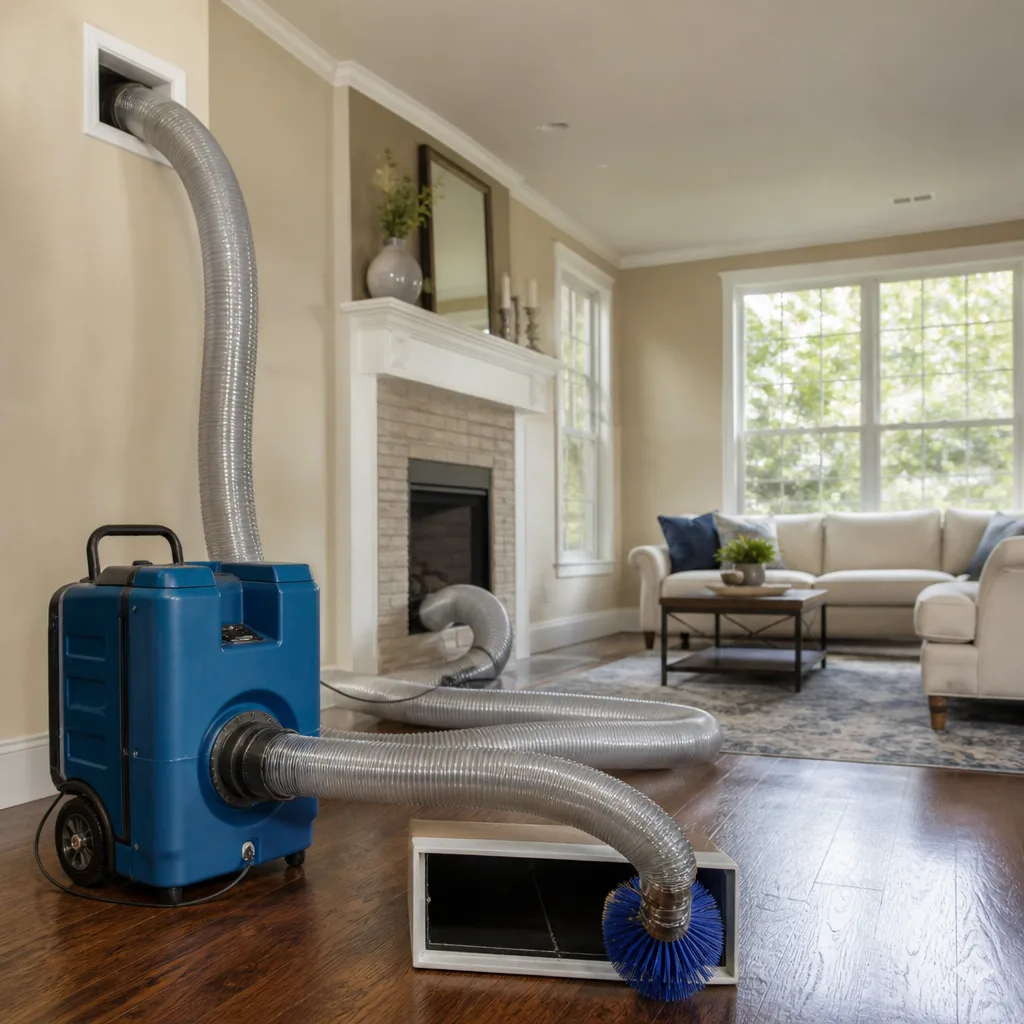 Whole-home duct cleaning
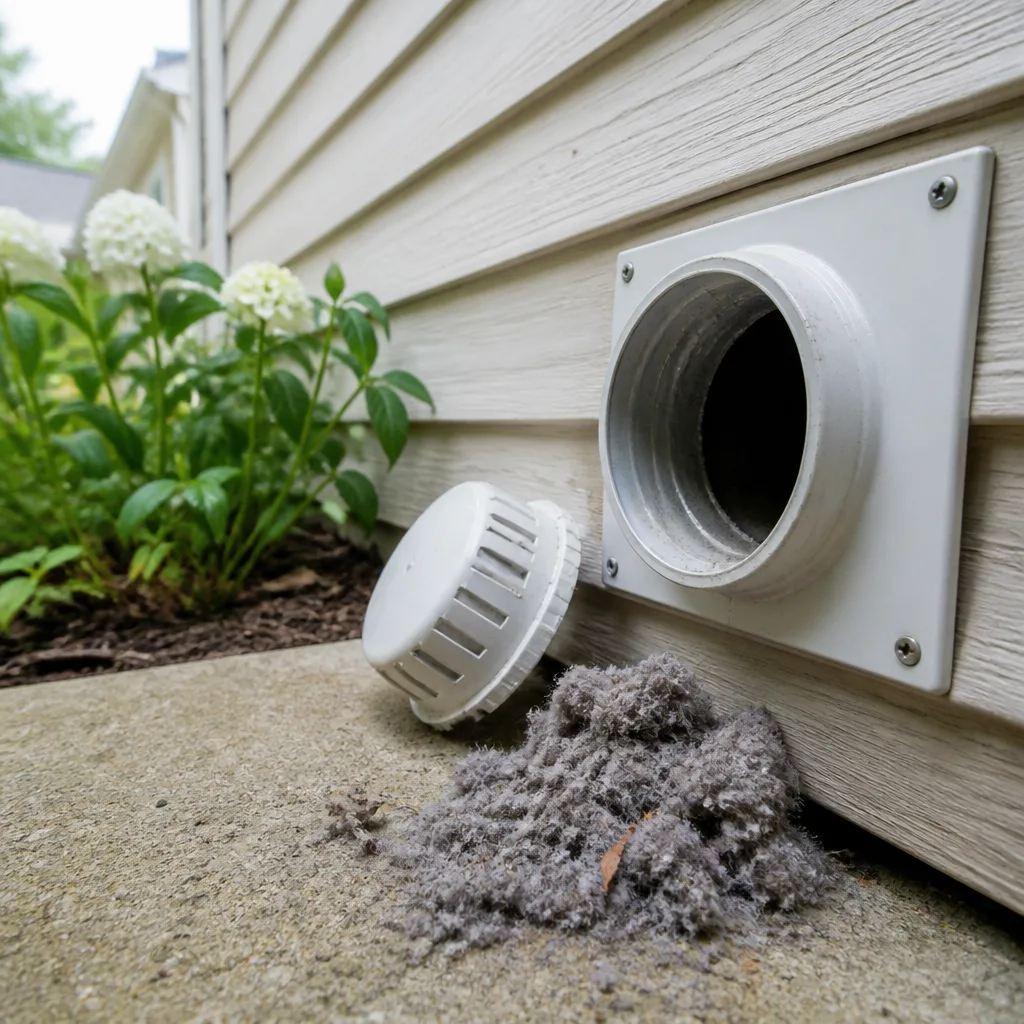 Dryer vent cleaning
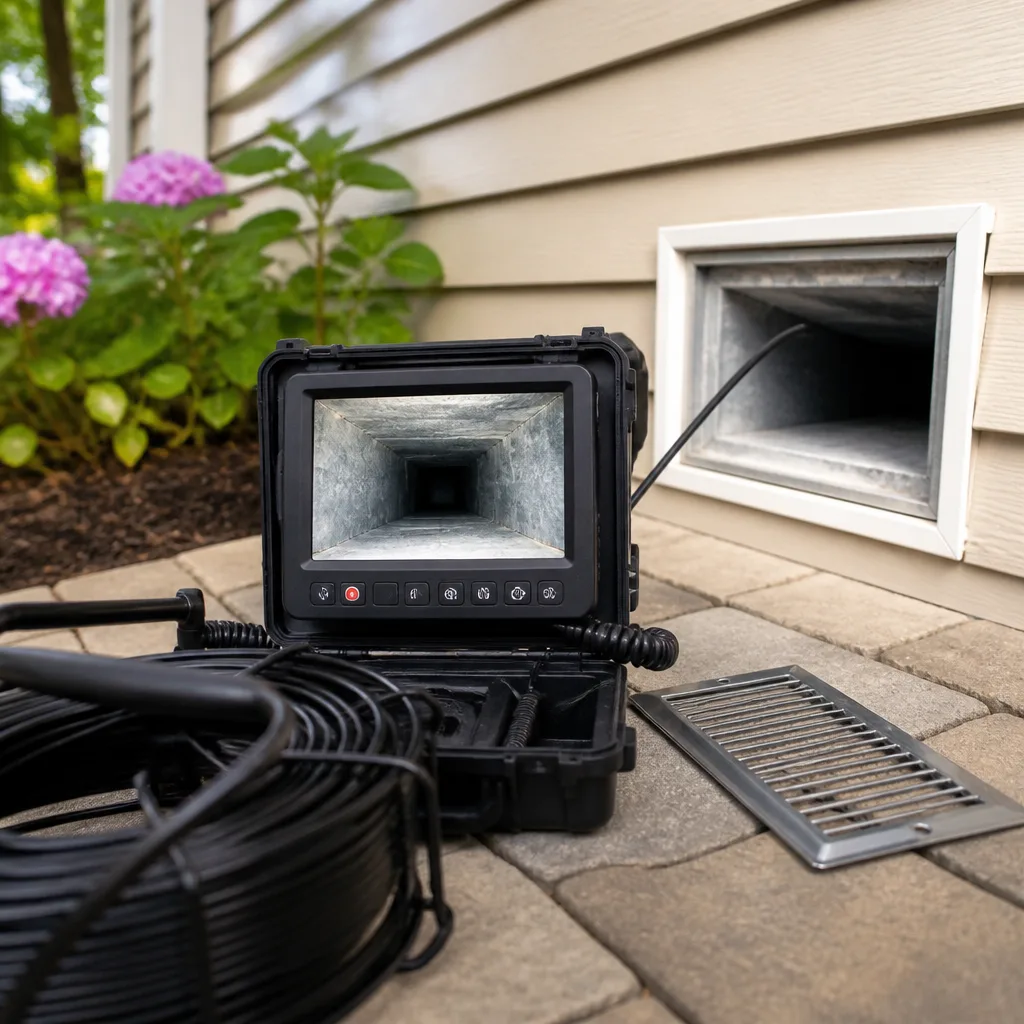 Camera inspection
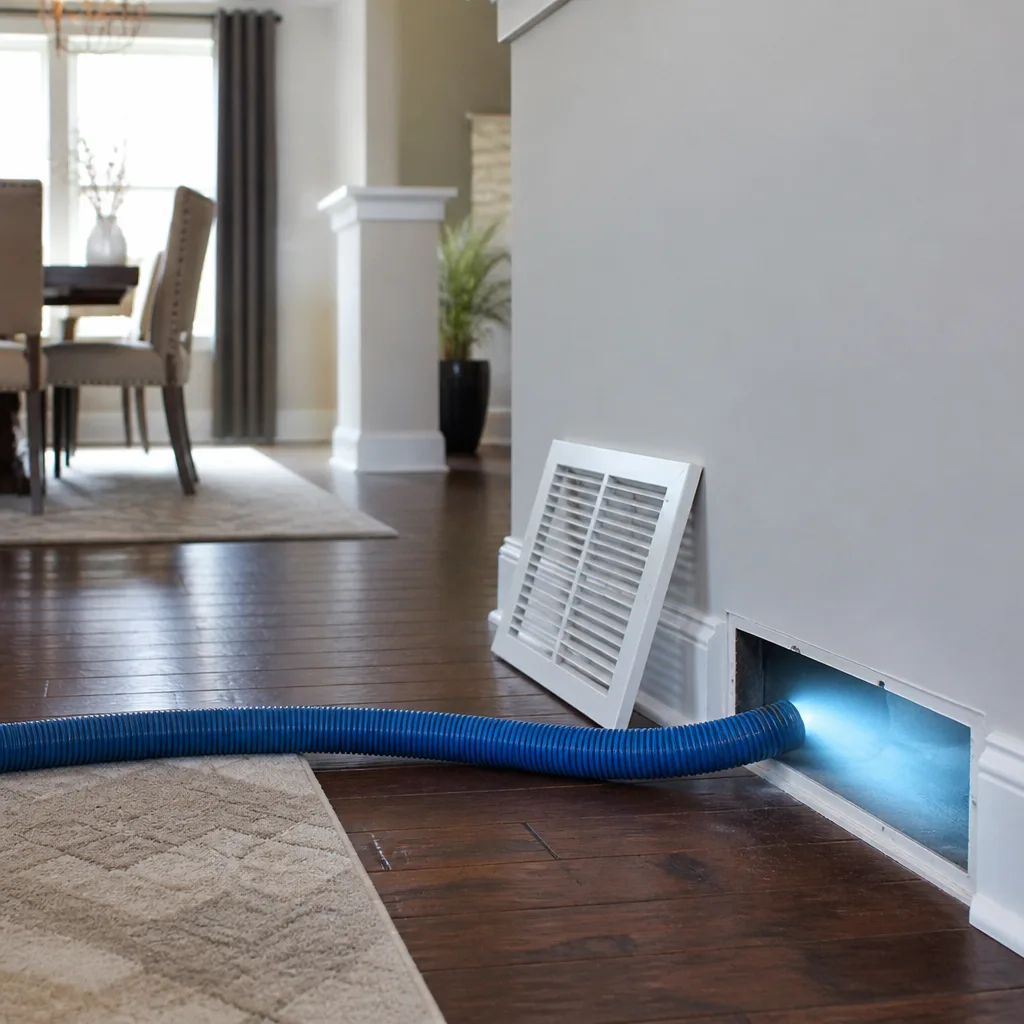 Sanitizing & deodorizing
Whole-system duct and dryer vent check with before-and-after photos - you see exactly what came out of your vents
That "$99 whole-house special" is a bait ad - the real number appears once they are in your hallway, or the "clean" is a shop-vac at the register. We photograph the inside of your ducts before and after instead.
Air Duct Cleaning Maintenance Schedule: What to Do and When
The most repeated number in this trade is the EPA’s 3-to-5-year cleaning interval. What almost nobody mentions is that the figure was never calibrated for Utah Valley. It was a general recommendation, built around general American housing and general American air. Spanish Fork sits in a basin that traps inversion pollution for weeks at a time, gets farm dust pulled off adjacent fields, and has spent the last stretch of years turning open ground into new subdivisions with fine construction debris in every recently finished duct run. If you’ve been following the national default and wondering why your vents still look tired and your filters load up in weeks, the schedule isn’t the problem. The assumption behind it is. This guide rebuilds that schedule around how Spanish Fork actually breathes.
Quick Answer
In Spanish Fork, most homes need professional duct cleaning every 3 to 5 years, but that clock should be reset any time you finish a renovation, ride out a heavy wildfire smoke season, or deal with a pest intrusion. Homes with pets, allergy sufferers, or infants usually need to compress that to every 2 to 3 years. Between cleanings, filter changes every 1 to 3 months and a ten-minute visual check of your grilles and accessible duct runs do most of the maintenance work.
Styles & brands we work with
- Whole-home duct cleaning
- Dryer vent cleaning
- Camera inspection
- Sanitizing & deodorizing
Table of Contents
- How Often Should Air Ducts Be Cleaned in Spanish Fork, Utah?
- Why the National 3-to-5-Year Rule Falls Short Here
- A Practical Cleaning Calendar for Spanish Fork Homes
- Event Triggers That Reset the Schedule
- Filter Maintenance and How It Ties to Duct Cleaning
- Your 10-Minute Homeowner Inspection Between Cleanings
- Seasonal Timing: When to Schedule Around the Inversion
- Pets, Allergies, Infants, and What to Document
How Often Should Air Ducts Be Cleaned in Spanish Fork, Utah?
Air ducts in Spanish Fork should be cleaned every 3 to 5 years under typical conditions. If your household runs a pet indoors or anyone in the home has respiratory sensitivities, 2 to 3 years is a more honest interval. If you’re finishing a remodeling project or you’ve just come through a major smoke event, the answer is now, regardless of when the last cleaning happened.
That’s a different answer from the one you’ll find on most service pages, and the reason is local context. A home in Spanish Fork isn’t running the same dust load as a home in a coastal or open-plains climate. Three things stack up here:
- Valley inversions in fall and winter trap particulate matter below the inversion layer for extended stretches. Your HVAC return pulls from that same layer.
- Agricultural dust from surrounding farmland lifts into the air in warmer months and settles into outdoor intake areas and return grilles faster than suburban models assume.
- New construction across the area means drywall dust, sawdust, and fine tile-cutting particulate are sitting in thousands of recently completed systems and in existing homes that have been near major building activity.
In our experience, the practical effect is a sediment layer that builds faster than the national number suggests. So the workable question isn’t “how many years since the last cleaning” so much as “how many events has this system been through since the last cleaning.” A Spanish Fork home can have a two-year-old cleaning and still be loaded with debris if a kitchen remodel happened in between.
Why the National 3-to-5-Year Rule Falls Short Here
The general recommendation of 3 to 5 years wasn’t wrong. It was written to describe average particulate loading, assuming a fairly neutral outside environment and a baseline filter doing its job. Spanish Fork doesn’t present either condition in an average year.
Inversion seasons are the biggest variable. During late fall and winter, a layer of colder air settles close to the ground under warmer air above, and particulate matter across the valley collects and holds. The air quality visibly changes. That air is still being pulled into your home’s return ducts. Filters catch what they can, but filter bypass – air moving around the filter frame rather than through it – lets a portion through, and that portion is what settles into duct walls, boots, and the plenum above the air handler.
Then there’s the dust that comes off farmland in warmer weather and the construction particulate from the buildout of new neighborhoods across the south end of the valley. Two houses on the same street can be running dramatically different contaminant loads depending on how close they sit to active building and whether they’ve been renovated. A schedule tied to the calendar only works if the calendar matches the load, and in Spanish Fork it often doesn’t.
What we’ve found in practice: the systems that built up contamination fastest were in homes next to open ground or new construction, homes with dogs, and homes whose residents had been running cheap 1-inch filters and changing them at three months when the house actually needed every 30 days. Clean across the board, the pattern holds.
A Practical Cleaning Calendar for Spanish Fork Homes
Here’s the schedule we recommend for most households in the area. It’s built around the season patterns here rather than a national average.
- Early fall (before inversion season): schedule the professional cleaning. Doing it before the air holds particulate means you’re entering the season with clean ducts rather than loaded ones pulling more contaminated air into the system.
- November through February (inversion season): filter replacement monthly if using a 1-inch filter, quarterly if using a 4-inch MERV-13 or media cabinet. Visual grille inspection weekly.
- March through May: filter maintenance on the same cadence, and take a look at accessible duct runs (visible flex in basement or attic) for joint separation or pests.
- June through August (wildfire season): keep windows closed on high-smoke days and change the filter the day the smoke clears. A heavy smoke event resets the professional cleaning clock.
- Any renovation: vacuum with a HEPA unit during the work, seal the return grilles with plastic, and get a professional cleaning once the drywall is finished and dust has settled.
- Every 2 to 3 years (sensitive households) or 3 to 5 years (standard): professional air duct cleaning across the full system, including the air handler and plenum.
Two houses in Spanish Fork with the same square footage can fall on different schedules if one has pets and the other doesn’t. Both are doing the same seasonal work. The difference is interval between professional cleanings.
Event Triggers That Reset the Schedule
Forget the calendar if any of these happen. Each is a reason to schedule regardless of when the ducts were last cleaned.
- Post-renovation: drywall dust, joint compound powder, sawdust, and tile-cutting particulate all end up in the return air path. Even with plastic sheeting, fine particulate bypasses most barriers. Book the cleaning once the dust has fully settled – typically a few weeks after final paint.
- Wildfire smoke events: smoke particles are small enough to pass through many filters and settle into duct surfaces. After a heavy regional smoke event that lasted more than a few days, an inspection is worth doing, and often a cleaning too.
- Pest intrusion: rodents, birds, and insects all find their way into duct systems through gaps at the unit, disconnected flex runs, or exterior terminations. Cleaning alone doesn’t solve it – repair and sealing do, which is where HVAC cleaning as part of a broader inspection comes in.
- Water intrusion or mold: a leaking humidifier, a condensate pan spilling, or a roof leak that runs into a duct chase can set up mold in the lining. Cleaning plus sanitizing is required, and Abatement Technologies negative-air equipment is what keeps the process contained.
- New home (within first two years): fine construction particulate is often embedded in duct runs from day one. A first professional cleaning at the one or two year mark is worth scheduling even in a brand-new system.
- Dryer vent fire warning: lint accumulation is a separate fire risk and should be addressed every 1 to 2 years regardless of duct cleaning. That’s why we pair dryer vent cleaning with the broader visit.
Any one of these resets the clock. Two at once – say, a renovation and a heavy smoke season – mean the cleaning should happen as soon as practical, not on the next scheduled date.
Filter Maintenance and How It Ties to Duct Cleaning
The single biggest factor in how often you need professional cleaning is how well your filter is doing its job. That comes down to two things: filter quality and filter fit.
Most Spanish Fork homes are running 1-inch filters in a standard return grille slot. These are cheap and widely available, but they load fast. In a household with a pet, a 1-inch filter usually needs changing every 30 days, not every 90, especially during inversion season and any stretch of open-window weather. Running a loaded filter doesn’t just fail to catch particulate; it also strains the blower motor.
Stepping up to a 4-inch media cabinet filter, or a MERV-13 rated filter, improves capture. It also requires closer attention to pressure drop. A high-MERV filter that loads up restricts airflow and forces the blower to work harder, which is why we recommend replacing MERV-13 filters on the recommended interval without stretches, and pairing the upgrade with a duct sealing inspection. Leaky return ducts pull unfiltered air from attics or crawlspaces directly into the system – no filter catches that. This is one of the reasons we pair cleaning with duct repair and sealing. A sealed return is a filter that actually works.
Honeywell and Aprilaire air cleaners installed as inline media or electronic systems are the next step up, and they’re designed for the load. They’re also a reason we install them: a household running high outdoor particulate and daily pet dander gets more real benefit from a properly sized inline filter than from changing a 1-inch filter twice as often. Post-cleaning is the right time to make that upgrade, because you’re starting the system clean and the filter’s job gets easier from day one.
Your 10-Minute Homeowner Inspection Between Cleanings
You don’t need a truck full of equipment to catch most issues early. Ten minutes with a flashlight and a few basic checks catches the majority of developing problems before they get expensive.
- Pop off a return grille and look at the duct surface behind it. A slight dust film is fine. A visible layer of debris, lint, or dark residue is a sign that the system needs attention sooner than the calendar suggests.
- Check the filter and its slot. Pull it out, hold it up to a light, and look at the edges. If the filter frame has visible gaps around it – meaning air can bypass the filter rather than pass through it – that’s a sealing problem.
- Look at any visible flex duct runs. In a basement, garage ceiling, or attic, runs should be straight, supported, and connected at both ends. Look for sagging, disconnected joints, or tears.
- Check the return air chase for pests. Droppings, nesting material, or chew marks at any accessible opening are a reason to stop and schedule an inspection.
- Sniff the air. Musty or stale smell from any vent points to moisture or mold. It’s worth addressing before it spreads.
- Note any rooms with poor airflow. One cold room or slow vent is often a disconnected run or a crushed flex line – not a duct cleaning issue at all, but a repair and sealing issue.
Write down what you see and the date. That note becomes the reminder for the next professional cleaning and the baseline for any conversation with a technician.
Seasonal Timing: When to Schedule Around the Inversion
Timing matters more here than in most places. The best window for professional cleaning in Spanish Fork is late September through October, before the valley traps its winter particulate. Clean ducts going into inversion season meet the load with a system that starts from zero. Clean ducts scheduled in March are doing it after the strongest months of atmospheric particulate have already moved through.
Practically, that means two things:
- Fall scheduling gets you the best value per cleaning. The system spends the higher-contamination months operating on clean surfaces.
- Spring scheduling gets you the most immediate relief from winter buildup. If you’re going into allergy season with a loaded system, the cleaning should be done before the trees and grasses start.
Either works. What doesn’t work is the middle of winter on a stretch of high-particulate days with the system running continuously. Wait for a clean-air window, or get it scheduled for the next clear stretch. The same logic applies to summer wildfire smoke – if the valley is full of smoke, the cleaning can wait a week until the air clears.
New construction makes timing more complicated because the debris load is already in the system from day one. For a recently built home in Spanish Fork, the first professional cleaning is worth doing regardless of the calendar – after final construction, once dust from landscaping and site work has settled.
Pets, Allergies, Infants, and What to Document
Some households need a tighter schedule. If any of these apply, compress the standard interval by a year.
- Pets (especially dogs with undercoats or cats): dander and shed fur load the return side significantly faster than a pet-free home. Most pet households do better on a 2 to 2.5-year cycle.
- Allergy and asthma sufferers: a clean system reduces the background particulate load that triggers symptoms. 2 to 3 years, plus a sanitizing treatment between cleanings, is a defensible schedule.
- Infants and young children: lower body weight and developing respiratory systems mean smaller contaminant loads matter more. We recommend 2 to 3 years plus a high-MERV filter setup, and if the home has recently had construction, sooner.
- Immunocompromised household members: 2-year cycle plus sanitizing, plus Abatement Technologies negative-air containment during the cleaning itself to keep the process from stirring up more particulate than it removes.
Keep the records. For warranty or insurance purposes, save:
- The cleaning invoice with the date and scope (which parts of the system were cleaned).
- Before-and-after photos of the duct interior (we provide these as part of every job).
- The filter brand and MERV rating used, and the replacement date.
- Any sanitizing treatment applied, and the product used (Guardsman products are what we typically apply).
For a medical conversation – with an allergist, for example – a dated record of cleanings, filter changes, and any sanitizing is far more useful than “we clean the ducts every few years.” It’s also useful to a new buyer if you sell the home.
Common Mistakes to Avoid
- Following the 3-to-5-year rule without checking local conditions. Spanish Fork’s inversion season and surrounding agricultural dust load the system continuously. If your last cleaning was five years ago and the home still has the same filter, you’re overdue, regardless of what the calendar says.
- Cleaning ducts but leaving leaks in the system. Ducts with disconnected joints, crushed flex runs, or torn boots let unfiltered air back in immediately. Cleaning without sealing is a cleaning that starts over the day it’s done.
- Running a MERV-13 filter past its replacement date to “save money.” A loaded high-MERV filter strains the blower motor and can shorten its life. Change it on schedule or use a lower MERV rating with more frequent replacements.
- Assuming a new home has clean ducts. New construction leaves drywall dust, sawdust, and site dust in the system. Schedule the first cleaning even in a two-year-old home.
- Skipping dryer vent maintenance because the dryer “still works.” Dryer lint is a fire hazard separate from duct cleanliness. Every 1 to 2 years, every home.
- Using a shop-vac or cheap consumer tool for “cleaning.” Consumer vacuums can’t move enough air volume to remove settled debris from duct walls. They also have no containment, meaning anything they do lift is released into the room.
- Ignoring musty smells. A persistent musty smell from any vent is a moisture or mold signal, not a duct-cleaning issue. It needs inspection, and typically containment plus sanitizing, not a bigger filter.
See the difference
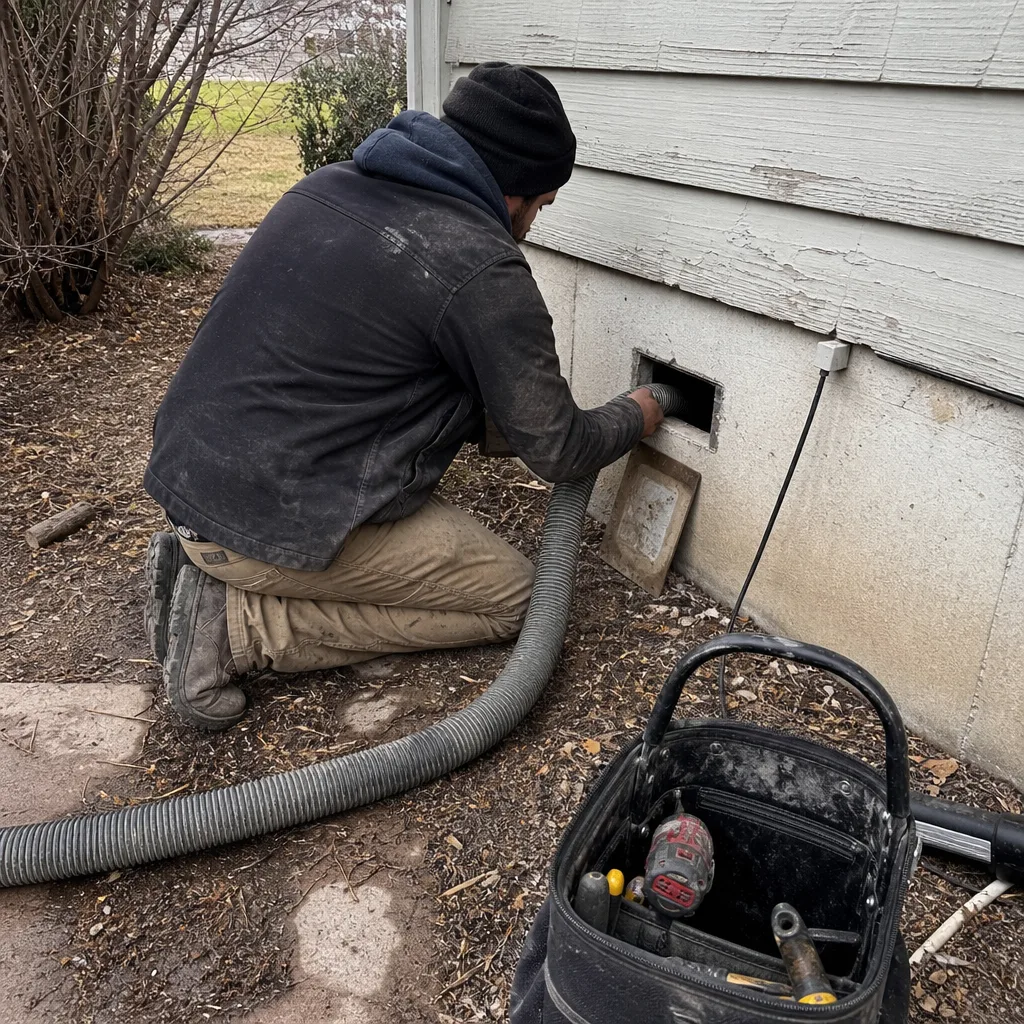 Before
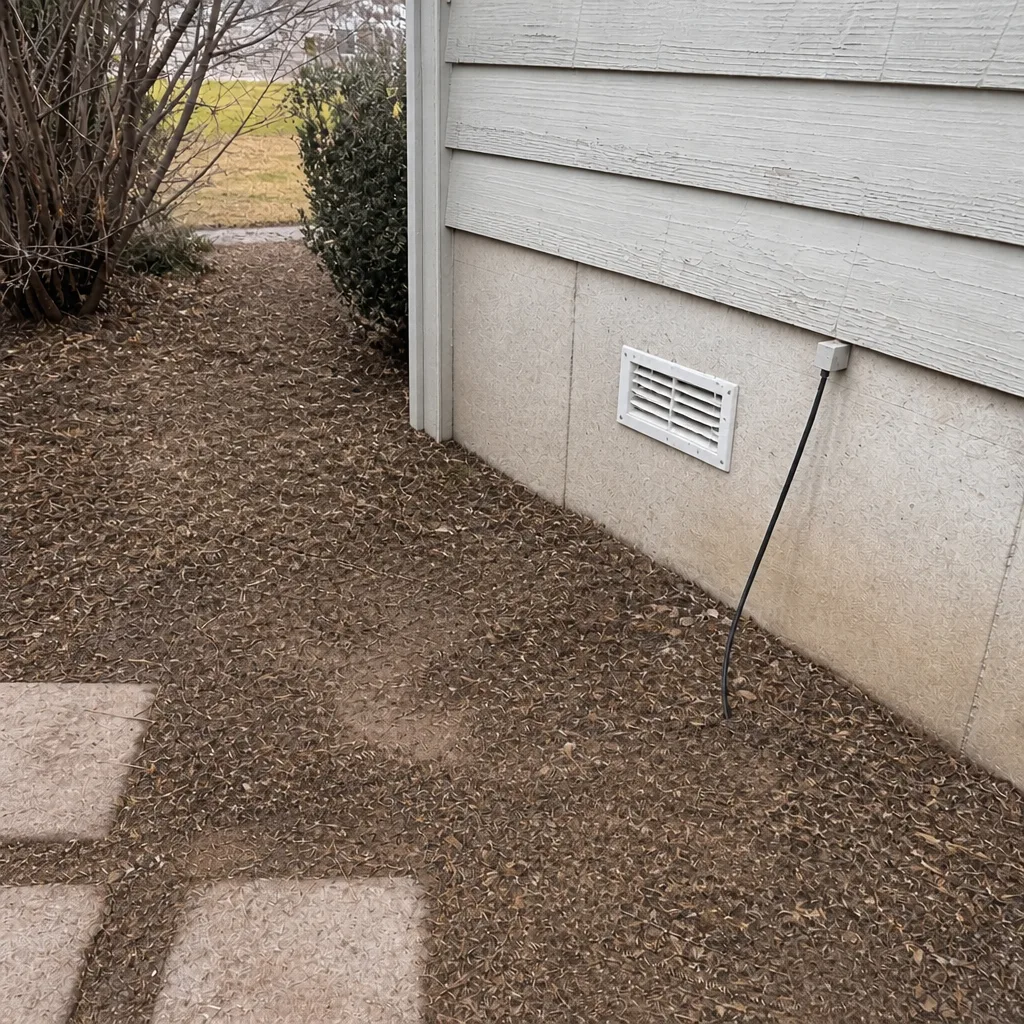 After
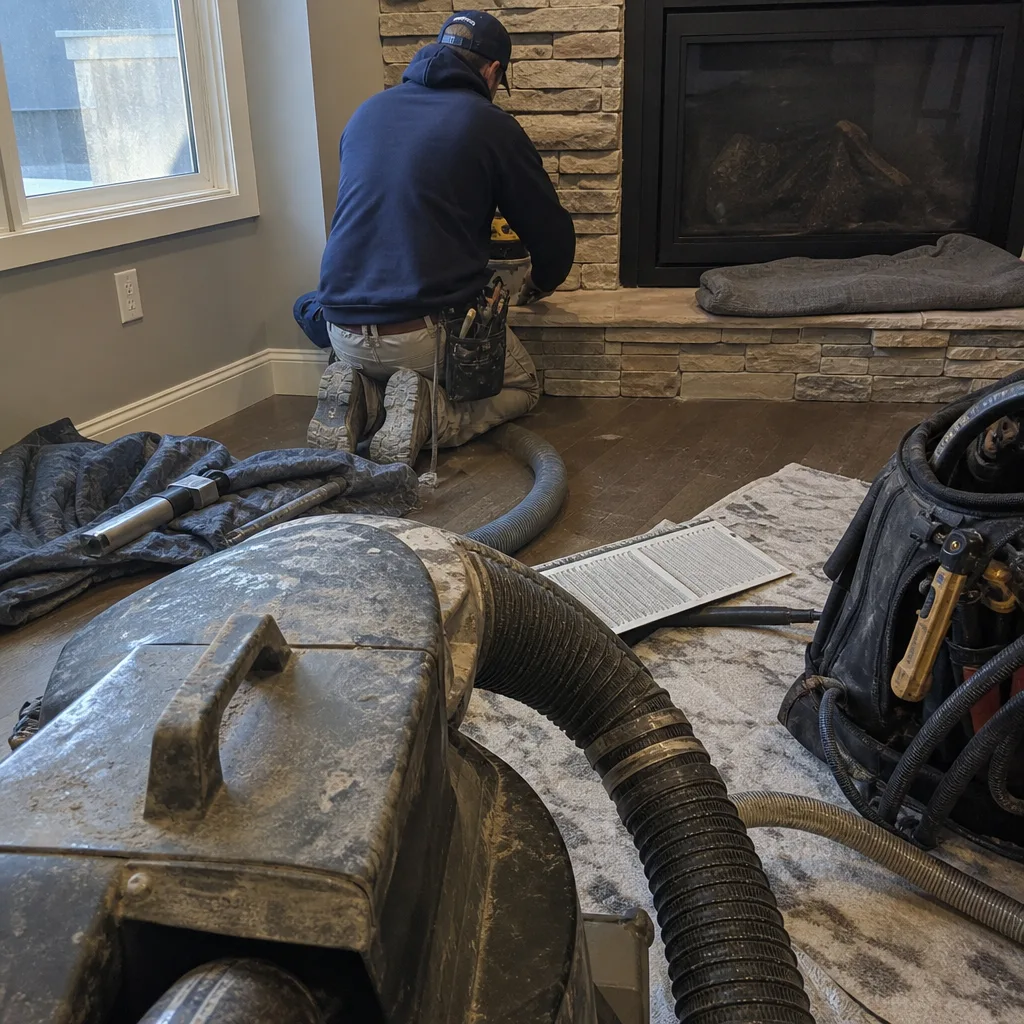 Before
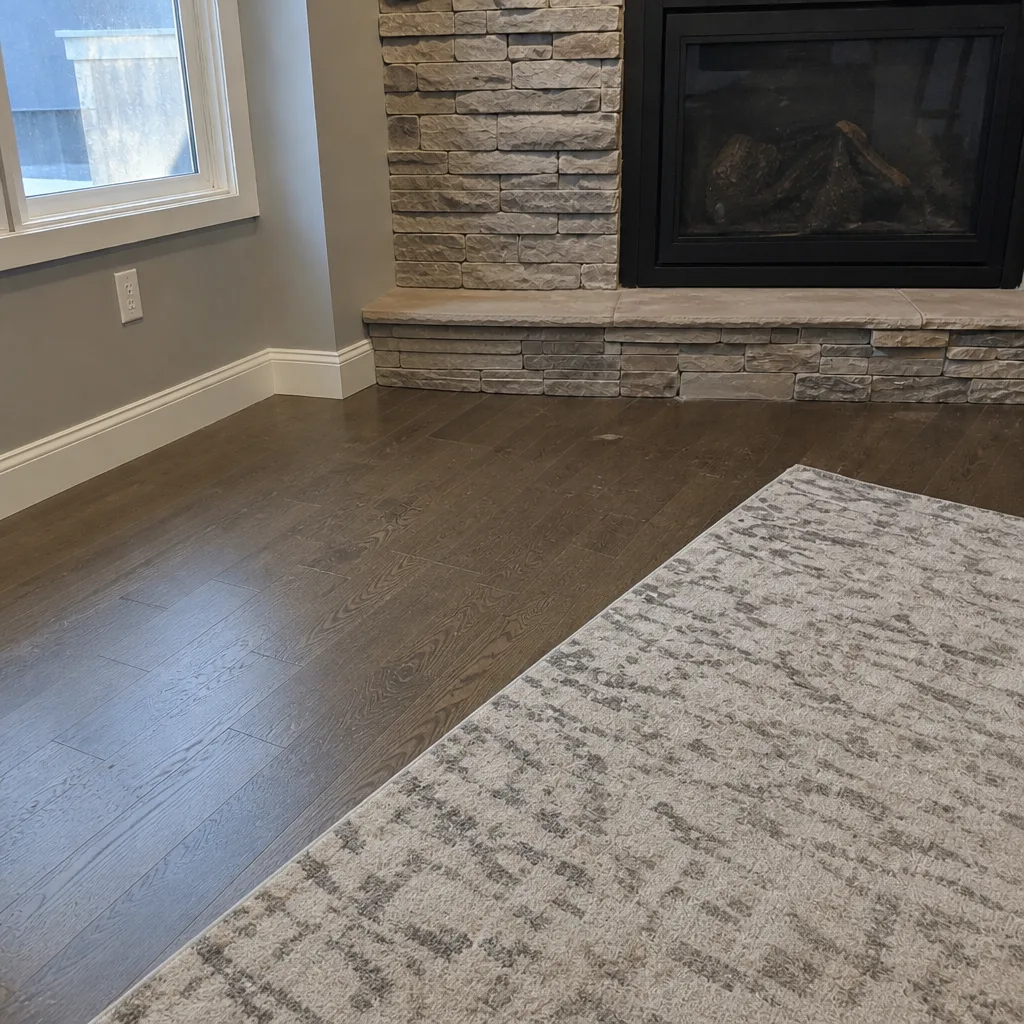 After
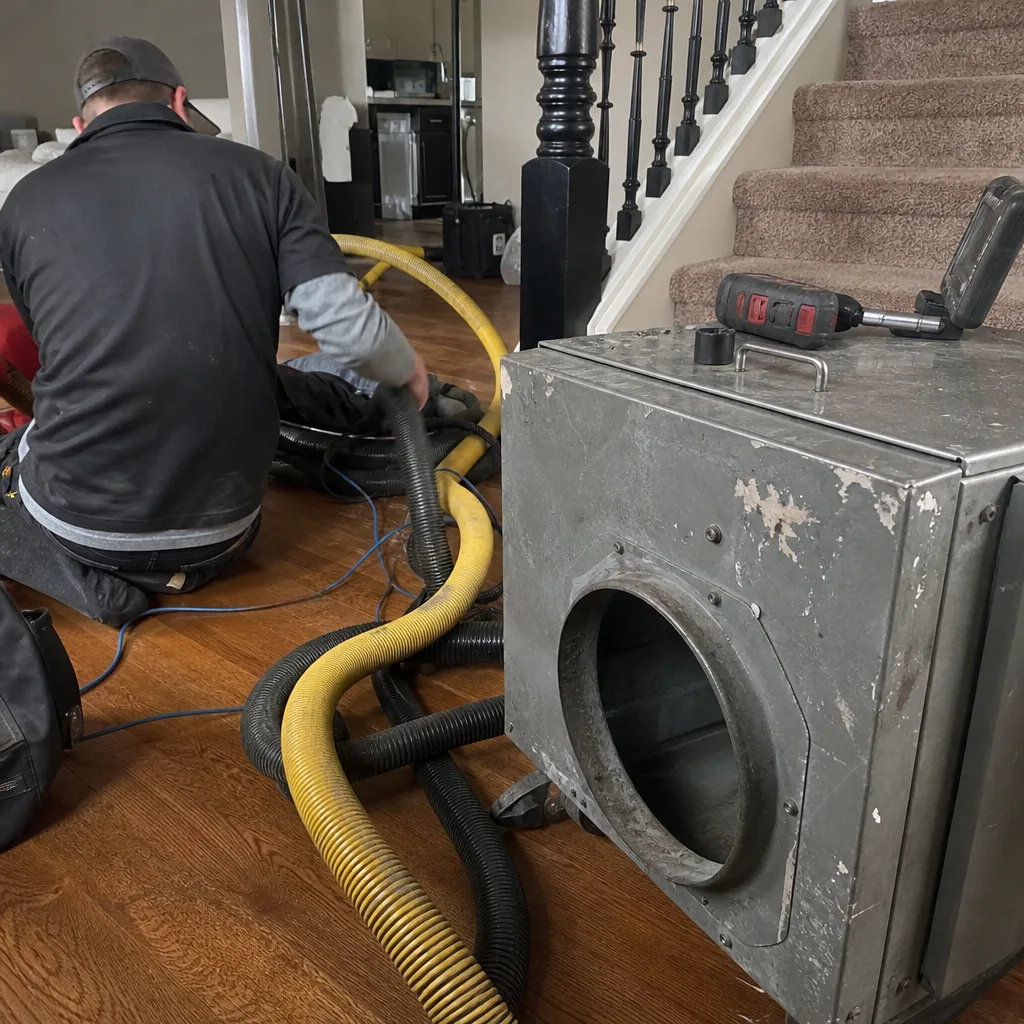 Before
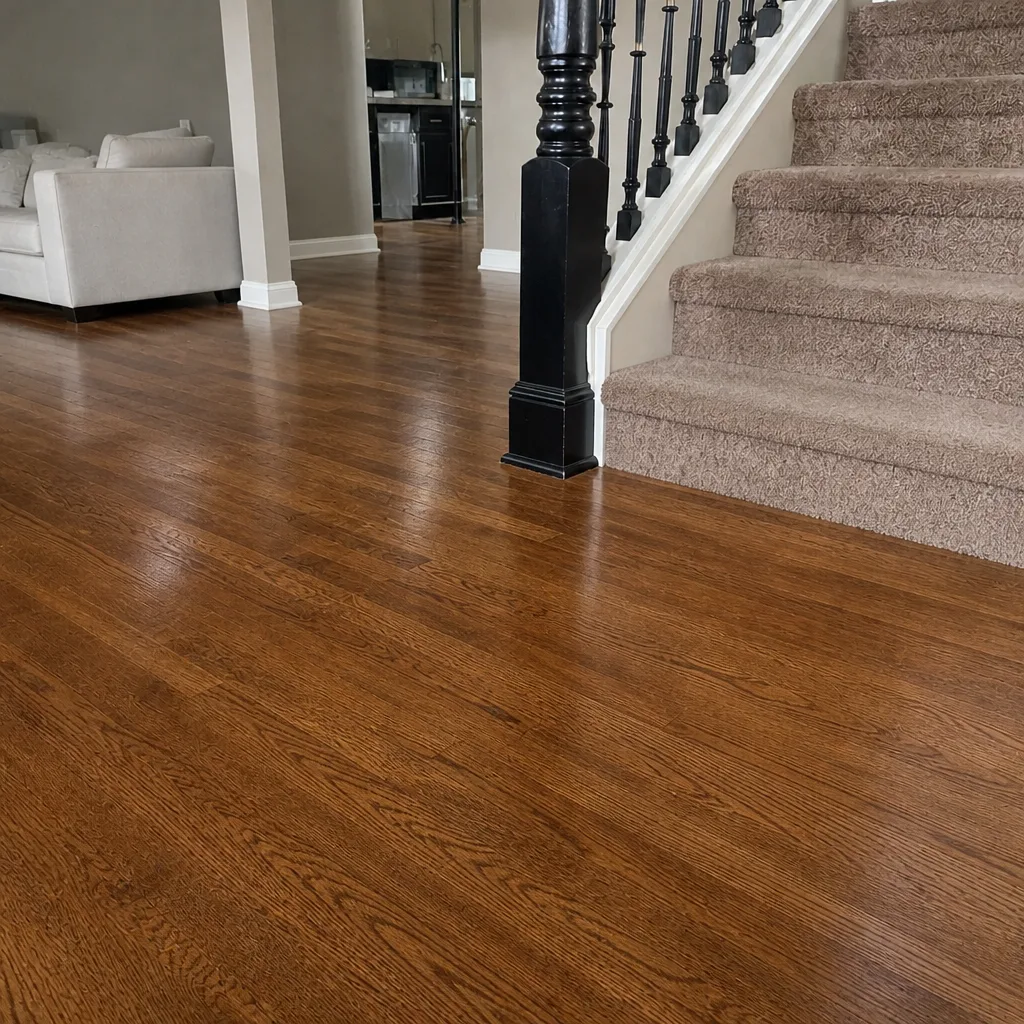 After
When to Call a Professional
Call a professional if you’re seeing visible debris in the return grille, if a musty smell persists after filter changes, if anyone in the home has developed allergy or asthma symptoms that clear when they’re away from home, if a renovation has wrapped up within the last few months, if you’ve had a pest intrusion, or if the system’s last cleaning is more than three years back. Same-day scheduling is often possible. Our technicians have up to 8 years of experience and use professional-grade equipment throughout – Rotobrush rotary-brush systems, Nikro HVAC extraction machines, and Abatement Technologies negative-air equipment – because a shop-vac isn’t a duct cleaner, and neither is the cheapest quote you can find. Spanish Fork Air Duct Cleaning offers free estimates throughout Spanish Fork. Call (866) 937-8037. We answer 24/7. Fast dispatch from 7am to 7pm, Sunday through Friday.
Frequently Asked Questions
Most Spanish Fork homes need professional duct cleaning every 3 to 5 years, with households containing pets, allergy sufferers, or infants doing better on a 2 to 3-year cycle. The interval should be reset any time you complete a renovation, live through a significant wildfire smoke event, or deal with a pest intrusion. To schedule yours, call (866) 937-8037 – estimates are free.
Yes, but with a condition. A MERV-13 filter captures more particulate than a standard 1-inch filter, which reduces the amount reaching the duct surfaces. The condition is replacement interval – a loaded MERV-13 restricts airflow and forces the blower motor to work harder. Replace it on schedule (typically quarterly in a 4-inch media cabinet) or step back to a lower MERV and change more often.
Visible debris in the return grille, musty smell that persists after filter changes, uneven airflow between rooms, and a recent renovation or pest event are the practical signals. A ten-minute check every few months catches most of these. If any are present, an inspection is worth scheduling. Call (866) 937-8037 for a free estimate.
Because the scope is often different. Cheap quotes typically clean the visible ductwork only, skip the air handler and plenum, use a shop-vac or low-volume extraction, and don’t offer sealing, sanitizing, or documentation. That’s not the full job. Ours is priced per system with one flat price agreed before work starts, and we provide before-and-after photos of your own ducts.
Before-and-after photos of your duct interior are the standard. Our technicians photograph the return and supply runs on every job so you see exactly what changed. Combined with a written scope describing which parts of the system were cleaned, that documentation is what protects you.
Every 1 to 2 years for most households, more often if you run multiple loads a day or the vent run is longer than average. Dryer lint is a separate fire risk from duct cleanliness, so it shouldn’t be skipped even when the air ducts are cleaned on a normal cycle. Call (866) 937-8037 to add it to a scheduled duct cleaning.
The Bottom Line
The national 3-to-5-year number is a starting point, not a rule. In Spanish Fork, the actual schedule should account for inversion season, local dust, pets, and any recent construction or renovation. Plan a professional cleaning every 2 to 5 years depending on household conditions, run filter maintenance on a real schedule, do a ten-minute visual check between cleanings, and reset the clock after any renovation, smoke event, or pest intrusion. Pair the cleaning with duct repair and sealing so the system stays clean once it’s clean. One flat price per system, agreed before work starts, with before-and-after photos as proof.
Call (866) 937-8037. We answer 24/7. Fast dispatch from 7am to 7pm, Sunday through Friday. Free estimates throughout Spanish Fork.
Written by the team at Spanish Fork Air Duct Cleaning.