
Last updated November 23, 2026
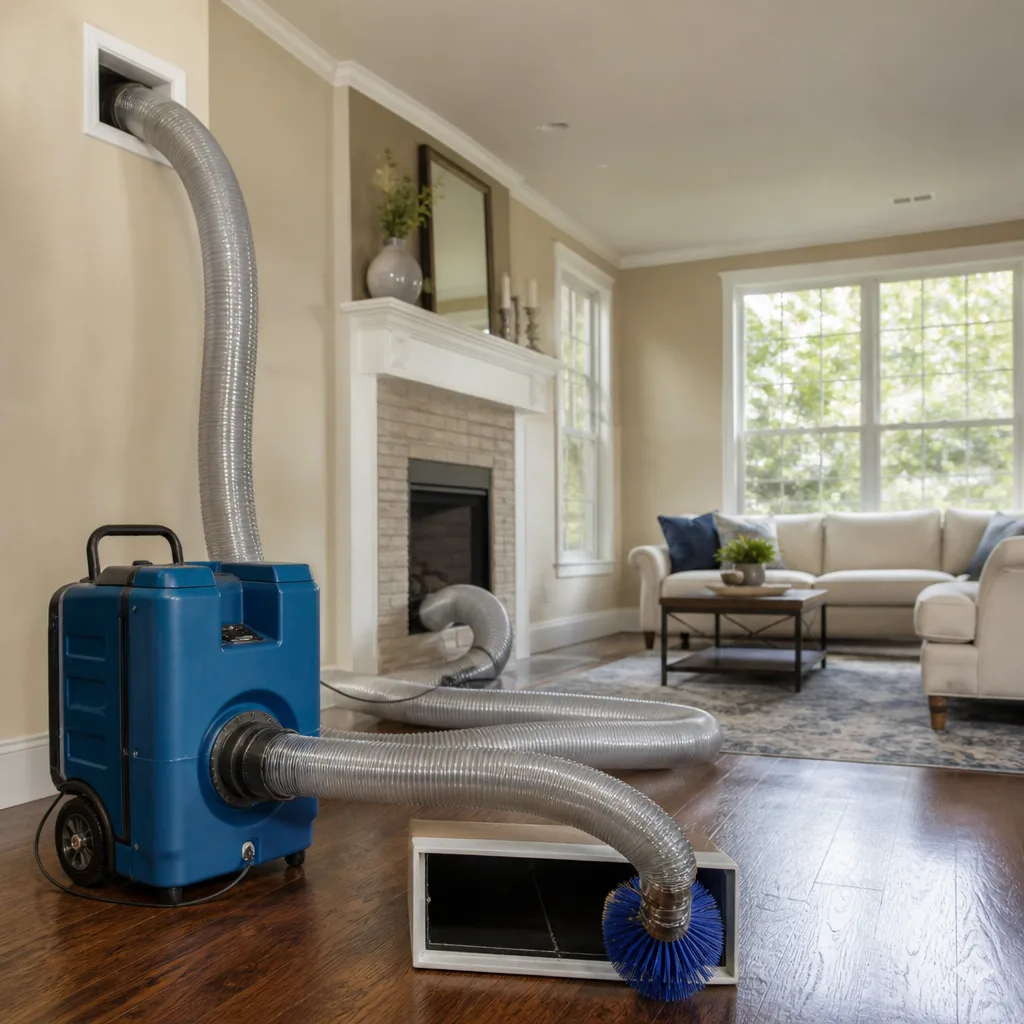 Whole-home duct cleaning
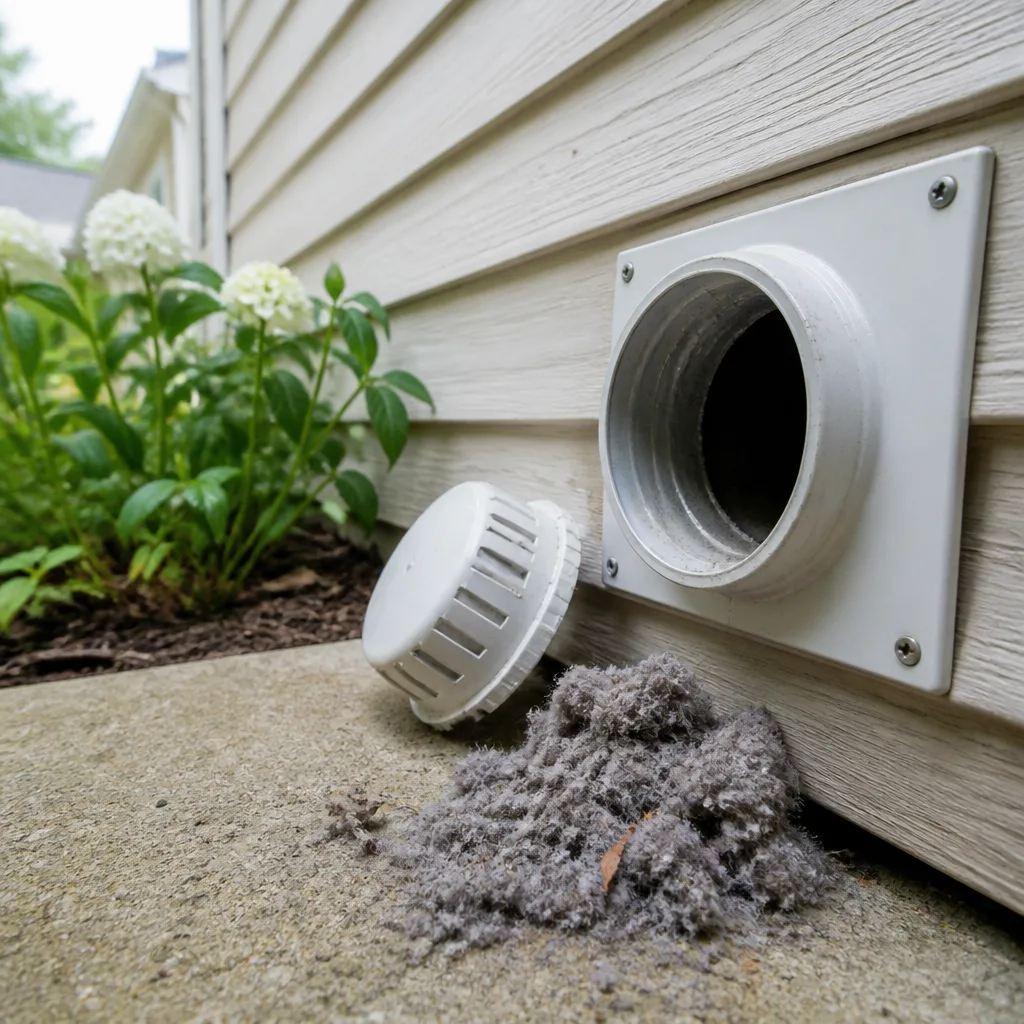 Dryer vent cleaning
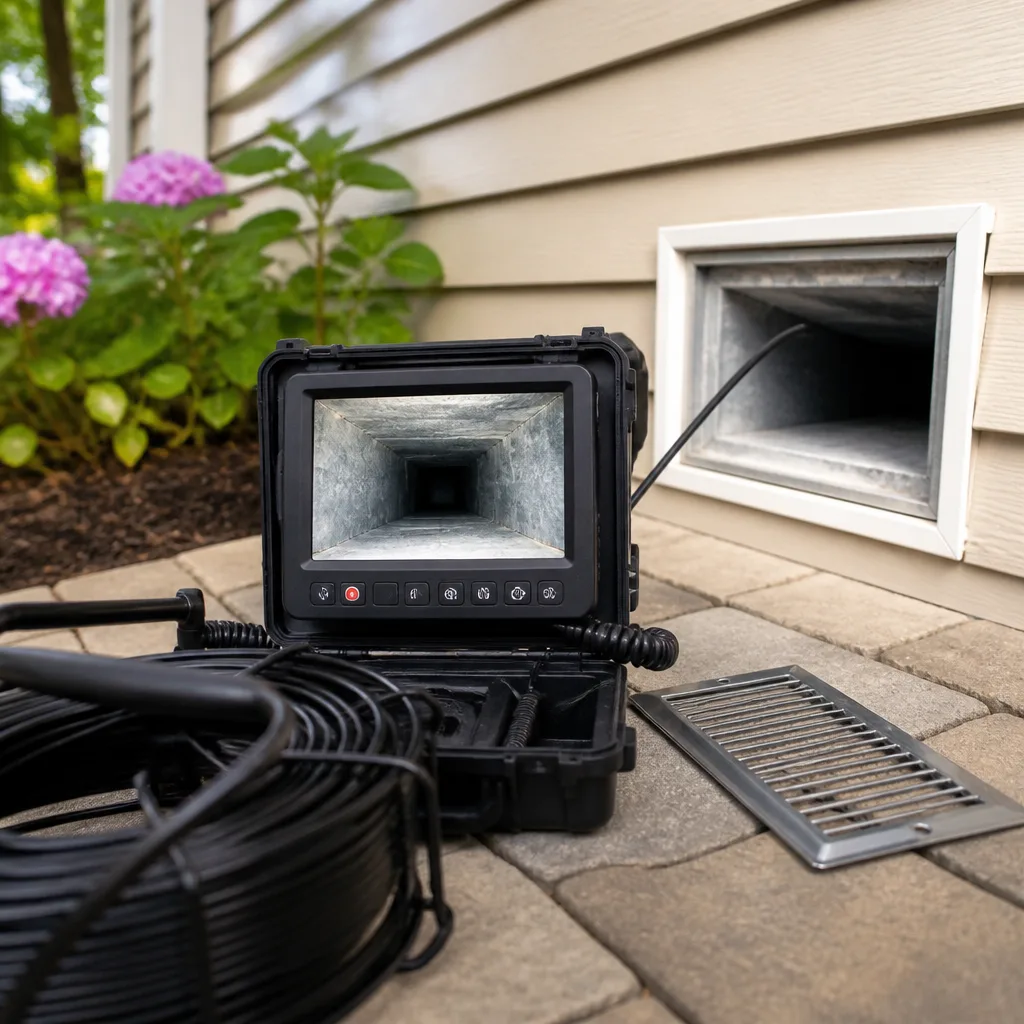 Camera inspection
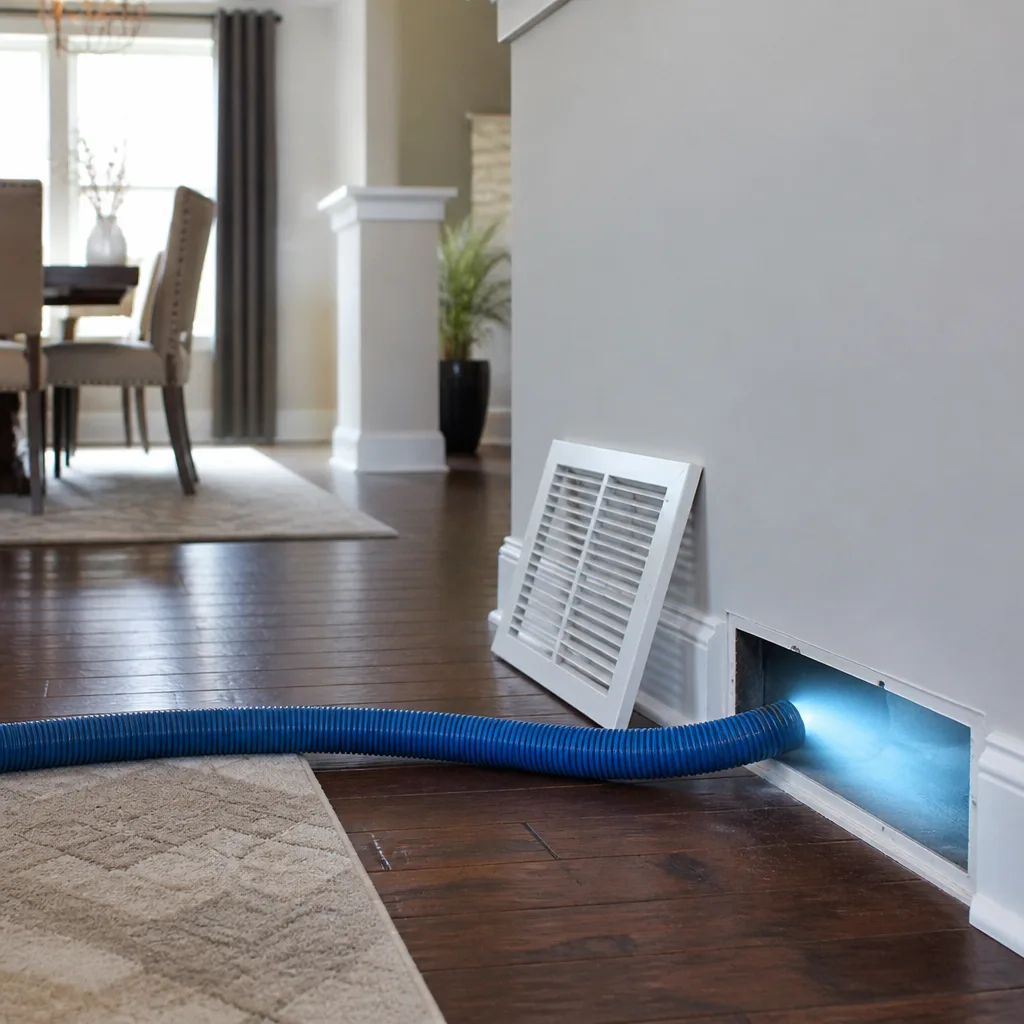 Sanitizing & deodorizing
Whole-system duct and dryer vent check with before-and-after photos - you see exactly what came out of your vents
That "$99 whole-house special" is a bait ad - the real number appears once they are in your hallway, or the "clean" is a shop-vac at the register. We photograph the inside of your ducts before and after instead.
Air Duct Cleaning Emergency Preparedness Guide for Spanish Fork Homes
Most households here keep a 72-hour kit, a water barrel, and a plan for where to meet if the ground moves. Ask those same families how their duct system is set up to handle a smoke event or a flood, and you get a blank look. That’s the gap this guide closes. Your ductwork is the one part of the house that touches every room and every breath, and during and after a regional emergency it does the most damage when nobody’s watching it. We’ll walk through a pre-event baseline, the wildfire smoke protocol, the logic of post-flood recovery, what seismic activity means for flex connections, and how to vet a contractor when everyone in Spanish Fork is calling at once.
Quick Answer
A duct system is emergency infrastructure. Before an event, document its condition with photos. During a smoke event, the decision to shut down or run the HVAC depends on filtration and outdoor air quality. After a flood, treat the duct system as exposed until proven otherwise within the 72-hour mold window. After an earthquake, do a safe visual inspection of flex connections before running the system again.
Styles & brands we work with
- Whole-home duct cleaning
- Dryer vent cleaning
- Camera inspection
- Sanitizing & deodorizing
Table of Contents
- Why Your Ducts Deserve a Pre-Event Baseline
- Wildfire Smoke: Shut It Down or Run Filtration?
- Post-Flood Duct Response: The 72-Hour Window
- Earthquake Response: Checking Flex Duct Connections
- Vetting a Duct Contractor Under Pressure
- Dryer Vents and the Emergency You Can Prevent
- Common Mistakes to Avoid
- When to Call a Professional
Why Your Ducts Deserve a Pre-Event Baseline
Picture an insurance adjuster standing in your living room two weeks after a major smoke event, trying to decide whether the duct interior was already dirty before the smoke arrived. Without something to show them, that conversation goes badly for the homeowner. A documented baseline fixes it.
We’re not talking about a polished marketing photo. The baseline you want is a practical record: what your duct interiors looked like on a normal day, what the flex connections near the air handler look like, how many supply and return runs you have, and a clear date attached to all of it.
Here’s what a useful baseline includes:
- Photos of each visible return grille and the area around the air handler
- Camera footage of duct interiors, ideally looking toward the trunk line and the flex connections
- A simple written note of what equipment is installed: furnace, coil, humidifier, any air-quality products like an Aprilaire filter cabinet
- Notes on any pre-existing smells, drafts, or rooms with weak airflow
- Your homeowner policy number and a saved copy of the declarations page filed with the photos
Why bother? Because a claim after a smoke event, a spring flood, or a regional quake goes smoother when you can point to condition before and after. And because the record forces you to look at the system you probably haven’t looked at since you moved in. Homes in the older parts of Spanish Fork and the newer builds out toward the east bench are set up differently, and both benefit from a simple baseline snapshot.
The baseline also gives you a maintenance rhythm. If you haven’t had a professional air duct cleaning done in longer than you can remember, getting that done is the clean starting point. Then the next event you face has a reference frame instead of a fog.
Wildfire Smoke: Shut It Down or Run Filtration?
Wildfire smoke is the most common regional emergency along the Wasatch Front. Air quality can go from decent to hazardous in an afternoon, and the question homeowners actually ask us is simple: do we kill the HVAC or keep it running?
The short answer depends on your filtration and your outdoor air intake. Here’s the decision logic we give people.
- Assess your outdoor air. If you can see haze indoors from door gaps and your nose stings within minutes, outdoor PM2.5 is high enough to matter. Treat it like a crisis.
- Check your filter first. A standard 1-inch fiberglass filter will barely slow smoke. A pleated filter with a MERV 11 to MERV 13 rating is far more effective. If your system has a filter cabinet rated for high-MERV media, use it.
- Seal the envelope as best you can. Close windows, weather-strip the worst doors, and switch any fresh-air intake or economizer off if your system has one.
- Run the fan continuously if you have decent filtration. A recirculating fan with high-MERV filtration pulls indoor air through the media and drops particle counts. Turn the fan to “on” rather than “auto” so it doesn’t stop circulating when the thermostat is satisfied.
- Shut it off if filtration is weak. If you’re stuck with fiberglass filters and a leaky return chase, running the fan just churns smoke particles around the house. Better to seal up and run a standalone HEPA room unit until the smoke passes.
- Schedule a post-event inspection within 48 hours. This is the window that matters, and we’ll cover it next.
The 48-hour window is the part most people skip. Smoke residue has two behaviors. Some of it stays airborne and clears with filtration. Some of it deposits on duct surfaces and binds, especially when the relative humidity rises or the system cools and condensation forms on metal. Once that residue is bound to the duct walls, ordinary filtration doesn’t move it. A professional assessment within about 48 hours determines whether you’re dealing with an air-clearing job or a duct-cleaning job.
If you want to upgrade filtration as part of the response, this is where we typically recommend a Honeywell or Aprilaire media cabinet sized for the system rather than a stack of cheap filters. That upgrade pays off every smoke season, not just the bad one. For a full system-level look at the ducts, the coil, and the air handler together, see our HVAC cleaning scope.
Post-Flood Duct Response: The 72-Hour Window
Flooding in Spanish Fork rarely comes from the sea. It comes from spring snowmelt running hard off the Wasatch foothills, from a sudden cloudburst overwhelming a storm drain, or from a water heater or supply line letting go inside a wall cavity. When water gets into a home, the duct system may or may not have been exposed, and figuring that out is the first job.
Here’s the sequence we follow:
- Determine exposure. Water-damaged ducts typically mean one of three things: a flex run in the crawl space was submerged, a duct sitting in standing water in a basement ceiling got wet, or a return chase behind drywall took on water. If none of those is true, the ductwork is likely dry.
- Test the air. A moisture meter at the grille and a quick look inside the nearest flex with a camera catches most cases. If the duct interior is damp, you’re on the clock.
- Shut the system off if wet. Running a wet duct system pushes humid air and any mold spores into every room. It’s the worst thing you can do.
- Start the mold clock. The 72-hour window is real. Mold needs moisture and time, and duct interiors with insulation lining, dust, and stale air give it both. Waiting “until things dry out” is the wrong call because the inside of a duct rarely dries on its own.
- Bring in proper equipment. This is where the line between a hobbyist and an indoor-air specialist shows. We use Abatement Technologies negative-air and HEPA filtration to contain the work area and pull contaminants out of the airstream during cleaning, and Nikro extraction to remove debris at the air handler. High-volume extraction plus containment is what “drying out” actually means.
- Sanitize after cleaning, not before. Cleaning removes the substrate. Sanitizing the clean duct, with something like a Guardsman product in the post-clean treatment, addresses what’s left behind.
Two more things take a lot of homeowners by surprise. First, a flood can separate duct insulation from the duct exterior without any visible water in the room. Second, the HVAC system itself is not waterproof, and an air handler that took on water needs to be assessed by an HVAC technician before you run it, cleaning or not.
After the ducts are cleaned and the system is verified dry, we re-seal. Duct repair and sealing is part of the same visit, because a flood-damaged joint or a loose flex connection just means the next problem is waiting. If you need dryer vent cleaning as part of the same rebuild-the-house response, do it in the same window. A water-damaged dryer vent is a fire risk on top of a mold risk.
Earthquake Response: Checking Flex Duct Connections
Seismic activity is the local hazard everyone plans for. In the hours and days after a noticeable Wasatch Front event, duct connections are the single most overlooked piece of the recovery punch list. Flex duct sits between rigid trunk lines and the supply boots in each room, and those flex sections absorb exactly the wrong kind of motion.
Here’s what most often separates or tears in a seismic event:
- The flex-to-trunk connection where a run branches off from a rigid main
- The connection at the air handler plenum, where the largest flex sections meet the most rigid metal
- The boot at each supply register, where duct meets drywall and a small gap can open up
- Hangers and supports in the attic that stretch or snap under lateral movement
- Any flex run draped over a joist that shifts under load
The safe visual inspection is straightforward, and you can do it yourself without touching anything powered:
- Turn the system off at the thermostat. Do this before you go near the attic or crawl space. A running system masks the sounds and smells you’re listening for.
- Look, don’t reach. Use a flashlight. A separated connection near the air handler is often visible as a dark ring or a visible gap where insulation and inner liner don’t meet.
- Check the attic and crawl space from a safe, stable position. If getting there means walking a joist or moving around a lot of debris, stop. Schedule a professional inspection.
- Sniff the air at each return. A sudden musty or dust smell from one grille points to a leak nearby.
- Watch each register with the system briefly running. Weak airflow at some vents and strong at others is a sign of a separated flex run.
- Then call. A separated duct is not a DIY fix. It’s an attic-insulation-fiber delivery system for as long as it stays open, and it needs to be repaired and re-sealed, not taped back together.
This is where the professional-grade equipment matters. We use Rotobrush rotary-brush systems on every duct cleaning job here, and afterward we step through the system to check the flex connections, hangers, and seals, because a cleaning that leaves a separated joint doesn’t solve anything. Homes in Spanish Fork with older attic ductwork deserve a particular look at the hangers after any event that rocks the structure.
Vetting a Duct Contractor Under Pressure
Regional events do two things at once: they spike demand for duct work and they attract people who see a window of easy money. Spanish Fork homeowners deserve a clear checklist for cutting through the noise.
Here’s what we’d ask, in order, on the phone:
- What equipment will you bring? Listen for a named system. Rotobrush, Nikro, and Abatement Technologies are all industry-standard professional equipment. If the answer is “a shop vac” or “a portable unit,” that’s not a duct cleaning.
- Do you use containment? The word you want to hear is negative air or HEPA filtration. In a post-smoke or post-flood job, contaminant control is the whole point.
- Is the price per system or per vent? A per-vent price is designed to grow on site. We quote one flat price per system, decided by the written estimate before any work begins.
- Will I see before-and-after photos? Any reputable operator can show you photos of your own ducts, not stock images.
- Do you do repair and sealing, or only cleaning? If the operator only cleans, they can’t fix the leak that would re-contaminate fresh ductwork after a smoke or seismic event.
- What’s the written scope? You want it in writing, not verbal, and you want it before the visit.
Two honest cautions. First, a price that’s dramatically lower than the others almost always grows on the invoice once the technician is in your attic. Second, a price that’s dramatically higher during an emergency event usually reflects plain opportunism. The middle of the market, with proper equipment and a clear written scope, is where the work actually gets done right.
We can’t vouch for other contractors. We can tell you what the local pro you’re talking to should be licensed and insured as their state requires, and that the conversation should feel like a technical discussion, not a sales pitch. If it doesn’t, hang up and call the next number.
Dryer Vents and the Emergency You Can Prevent
Some of the emergencies in this guide are unavoidable. A few aren’t, and the biggest one on that list is the dryer vent. It’s a duct system in its own right, it collects lint the way your returns collect dust, and a restricted or lint-packed vent can overheat a dryer load into a house fire. Unlike a wildfire smoke event or a seismic event, this is one you can head off entirely.
In a region that sees dry air and heavy seasonal temperature swings, lint carries a static charge and clings to the duct walls more determinedly than people expect. The flexible, corrugated vent runs that turn through joist bays are the worst offenders. If your dryer takes two cycles to dry a normal load, if the outside flapper barely moves, or if the laundry room runs hot, those are warning signs, not quirks.
Our full-system approach keeps the emergency list short. We scope air ducts, dryer vents, and the HVAC unit together, so a full inspection after any event also covers the vent run and catches a fire risk while you’ve got a professional in the house. Proper dryer vent cleaning is quick, and it removes a real hazard. Post-flood, we check the vent for moisture intrusion; post-seismic, we check the duct run for kinks or separations. Either scenario, you want the vent and the duct system looked at together.
Common Mistakes to Avoid
- Skipping the baseline. Without photos or camera footage of the duct interiors before an event, an insurance claim about smoke or water damage becomes a debate. Get the record now, not after.
- Running the HVAC after a smoke event without checking filtration. A standard fiberglass filter does almost nothing for smoke. Running the fan with weak filtration circulates the problem rather than addressing it.
- Waiting “until things dry out” after a flood. Duct interiors don’t dry on their own. The 72-hour mold window closes because of exactly this thinking.
- Taping a separated flex connection and calling it fixed. The inner liner is what matters. Tape on the outer jacket doesn’t stop attic insulation fibers from pulling into the airstream.
- Hiring on price under panic. In a regional event, the lowest quote is often a coupon price designed to balloon once the technician is in the attic. Ask for the written scope first.
- Cleaning without sealing. A cleaning that doesn’t fix the leaks that let dust and contaminants in is a cleaning that won’t last a season. Duct repair and sealing needs to be part of the scope.
- Forgetting the moisture source. After a flood, fixing the duct system doesn’t help if a crawl space or wall cavity is still wet and feeding humidity back into the ducts. Dry the source first, then clean and seal.
When to Call a Professional
Some of the checklist above you can absolutely handle yourself: photos, a quick smell test, a flashlight look at a visible return. The line between “do it yourself” and “call” is where safety, evidence, or equipment comes in. Call a professional if any of the following apply:
- You suspect the duct interior took on water after a flood, even a small one
- A flex connection near the air handler looks separated, torn, or kinked
- The house still smells like smoke more than 48 hours after the outdoor air cleared
- Airflow is visibly uneven between rooms or returns
- You need a documented duct assessment for an insurance claim
- The dryer is taking longer than it used to, or the outside vent flapper barely moves
Spanish Fork Air Duct Cleaning offers free estimates in Spanish Fork – call (866) 937-8037. We answer 24/7. Fast dispatch from 7am to 7pm, Sunday through Friday. The written estimate sets the price and you approve it before any work begins. Our technicians have up to 8 years of experience, and we use professional-grade equipment on every job.
See the difference
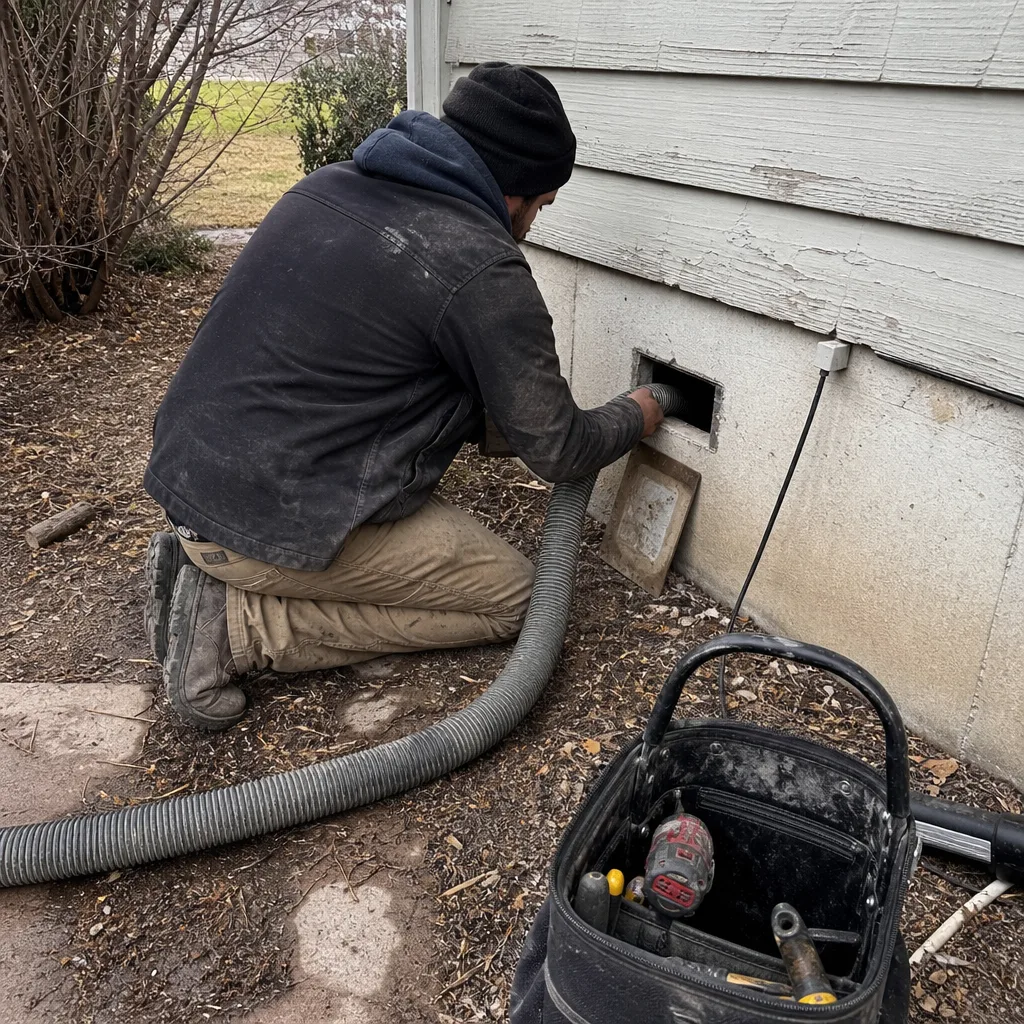 Before
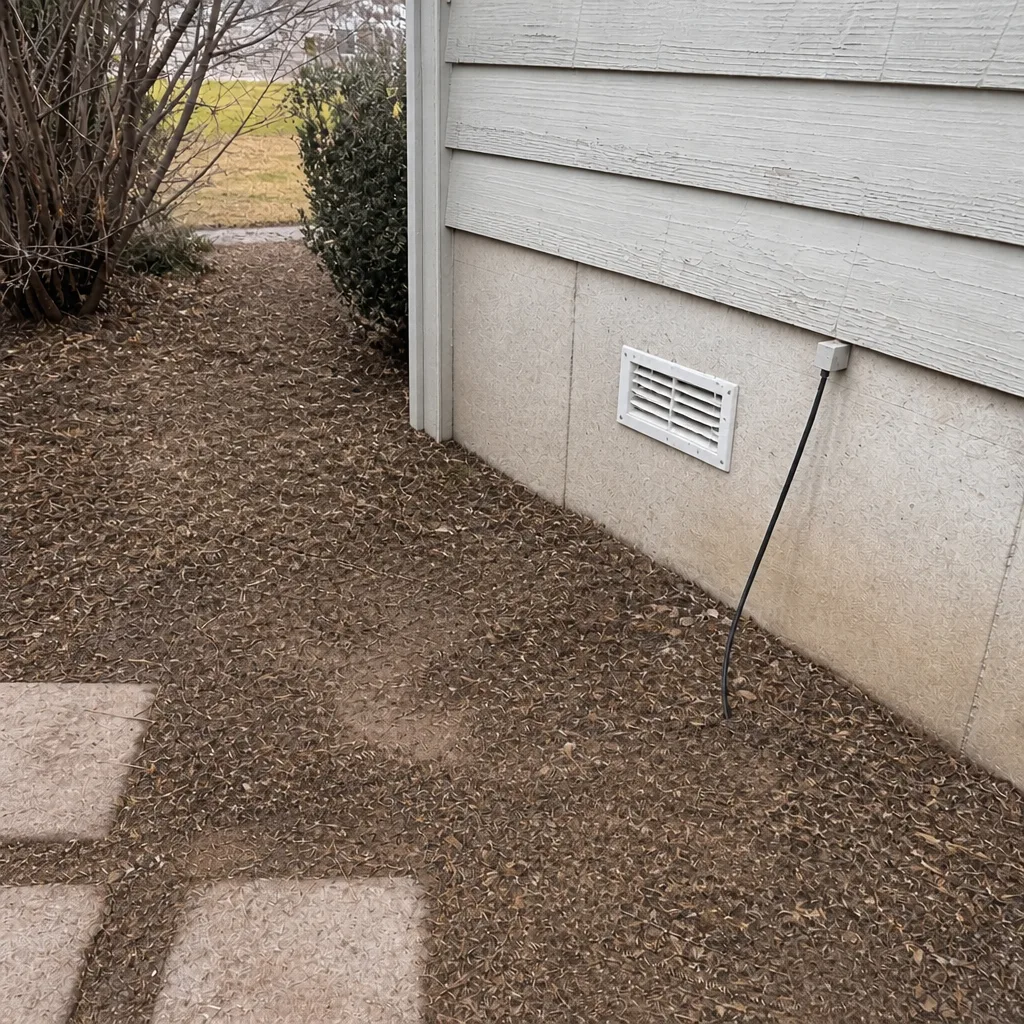 After
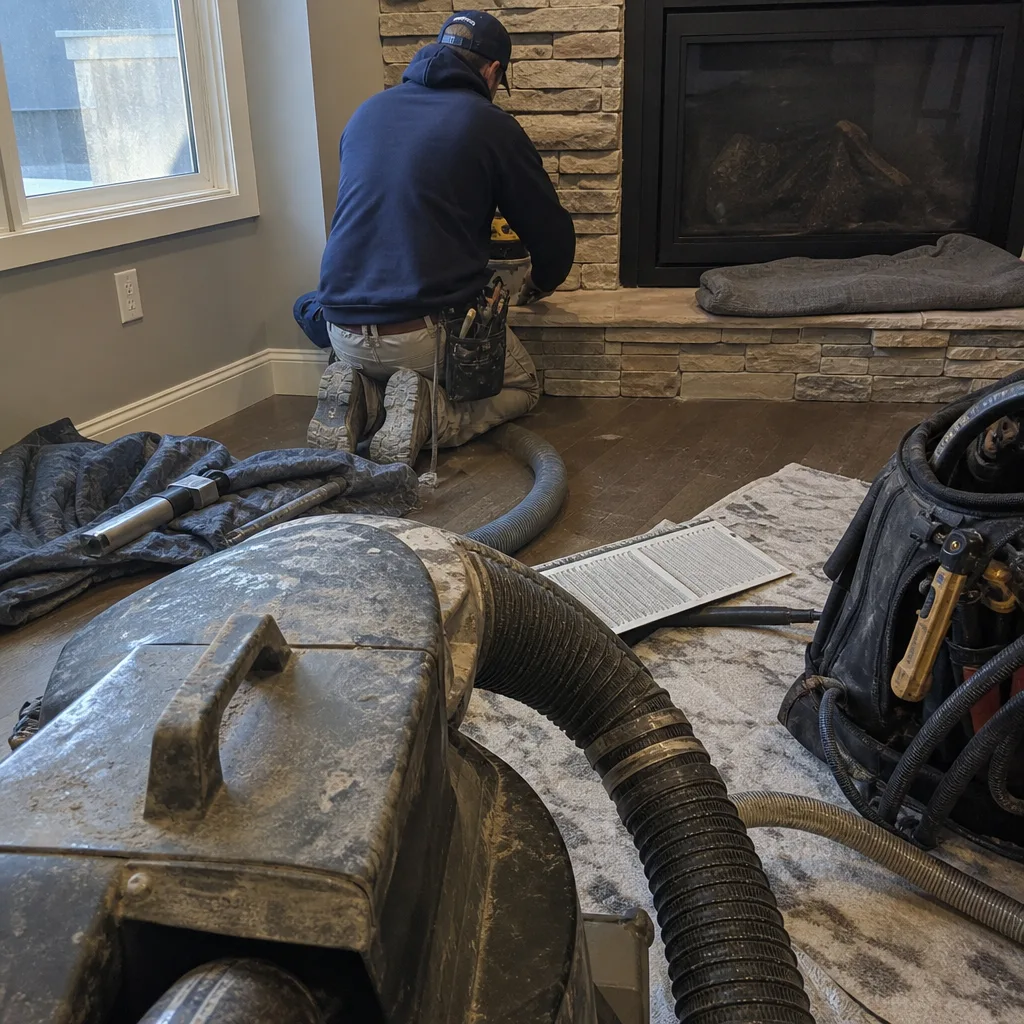 Before
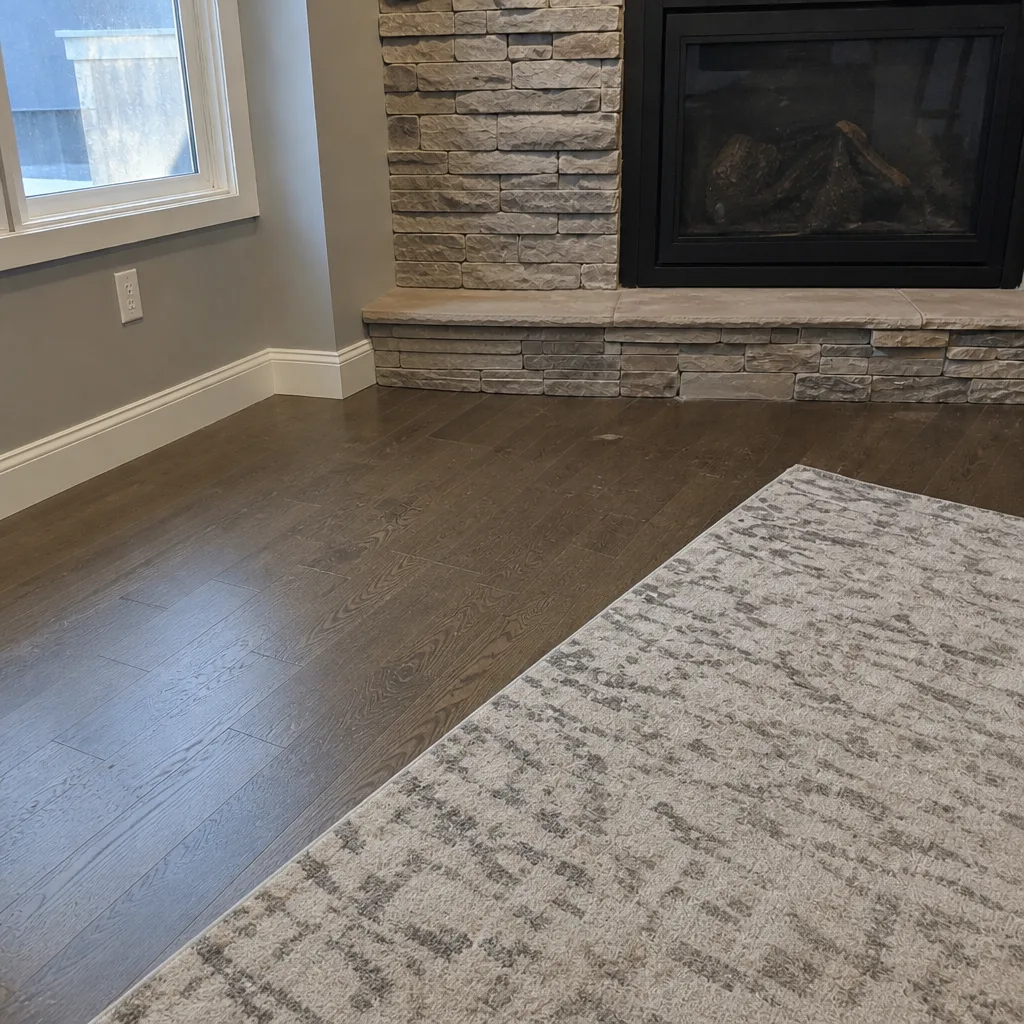 After
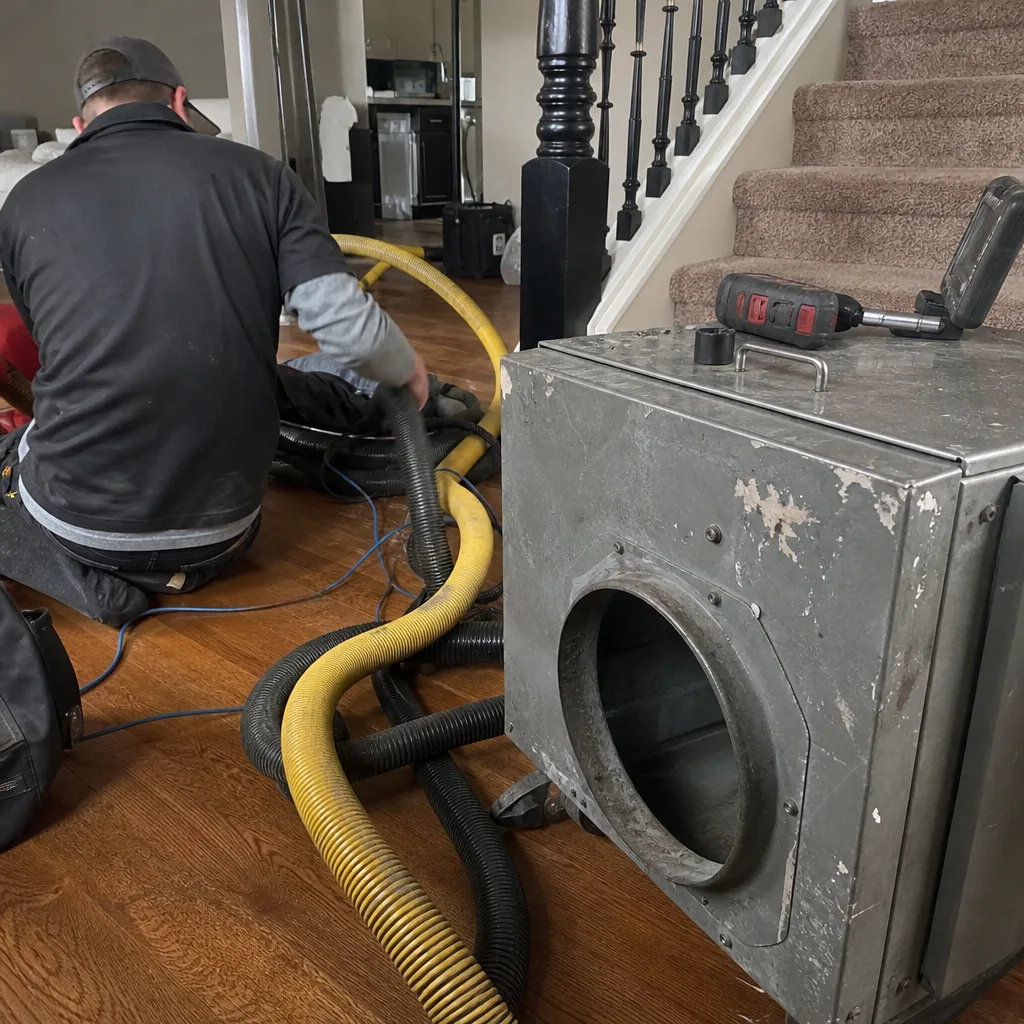 Before
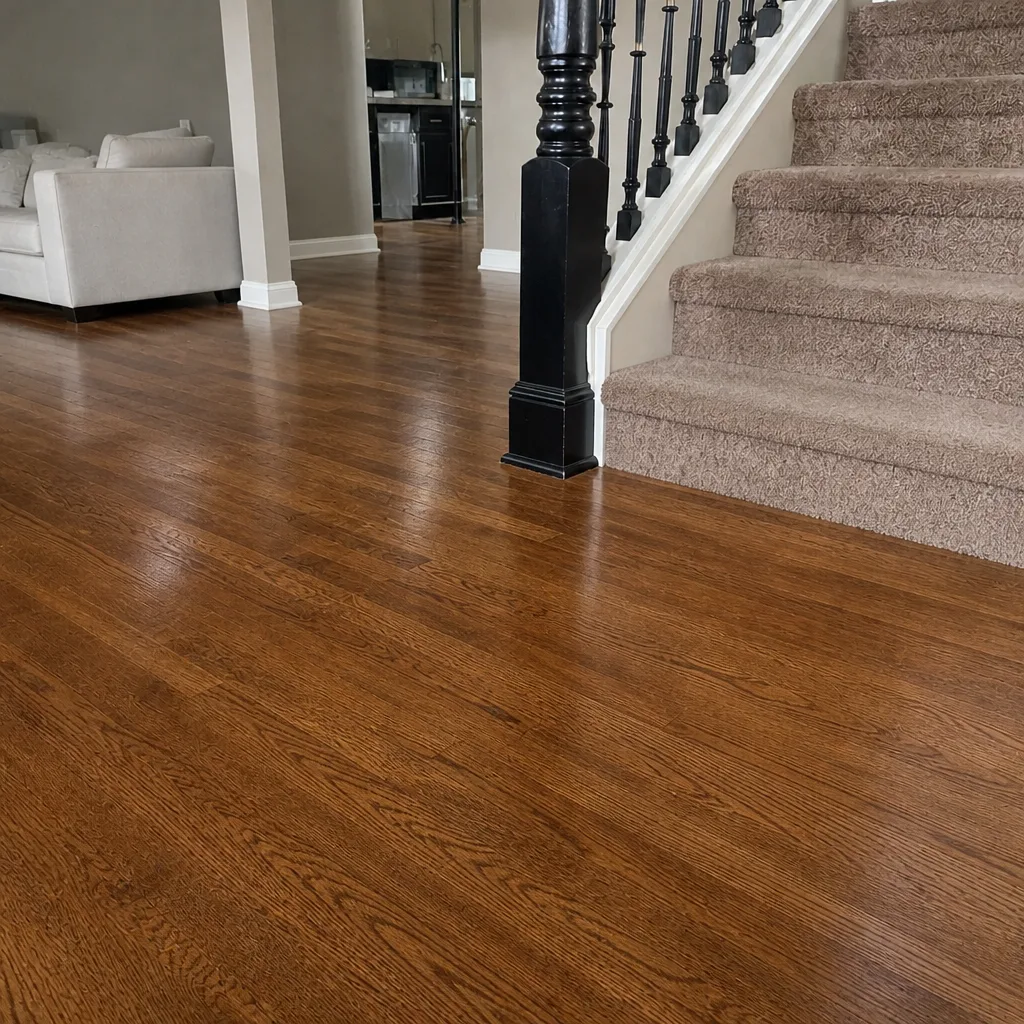 After
Frequently Asked Questions
Get a documented baseline now, before fire season, with photos and camera footage of the duct interiors. That record is what lets you and your insurer know whether a post-event cleaning is removing smoke residue or just routine dust, and it turns a vague claim into a clear one. Call (866) 937-8037 for a free estimate if you want us to build that baseline.
Turn it off if your filtration is weak; run the fan continuously if you have high-MERV media and a reasonably tight return chase. The deciding factors are filter rating, whether your system has an outdoor air intake that can be closed, and how well the indoor envelope is sealed. If you’re not sure which situation you’re in, A call to (866) 937-8037 will help you decide without you having to guess.
About 72 hours from the moment moisture enters the duct system. Warm, wet insulation lining and accumulated dust are ideal growth conditions, and the inside of a duct rarely dries on its own. Don’t wait “until things dry out.” Shut the system off, get a moisture reading, and call (866) 937-8037 for an assessment the same week, ideally within the window.
Turn the thermostat off, use a flashlight from a stable position, and inspect from a distance rather than reaching into a duct or crawling over joists. Look for visible gaps at flex-to-trunk connections and near the air handler, and watch for weak airflow at one or two registers. If you find anything questionable, don’t run the system. Call a professional to inspect and repair before resuming. (866) 937-8037 reaches us 24/7.
Ask for named equipment (Rotobrush, Nikro, Abatement Technologies), a written scope, one flat price per system rather than per vent, and before-and-after photos of your own ducts. A reputable operator will answer all of that without hesitation. Under a regional emergency those questions are the difference between a real cleaning and a truck driving away with your money. Call (866) 937-8037 for a free estimate with all of the above in writing.
Yes, materially. Smoke residue binds to duct surfaces, and once it’s bound, ordinary filtration doesn’t move it. Post-smoke cleaning often needs containment (negative air and HEPA), higher-agitation cleaning (rotary brush), and sanitizing with a post-clean treatment afterward. Routine maintenance doesn’t need the same protocol. Call (866) 937-8037 to talk through which one your home needs.
Upgrading filtration helps a great deal, but it can’t prevent a separated flex connection, a water-damaged crawl space, or a lint-packed dryer vent. Think of high-MERV filtration as a strong first line of defense and duct sealing, repair, and periodic cleaning as the rest of the system. Both are worth having. Our team installs Honeywell and Aprilaire air-quality products as part of the same visit as Spanish Fork Air Duct Cleaning so the filtration and the ducts work together.
The Bottom Line
Treat the duct system like emergency infrastructure, because in Spanish Fork it is. Before an event, document it. During a smoke event, decide whether to run filtration or seal up. After a flood, act on the 72-hour clock instead of waiting. After an earthquake, turn the system off and check the flex connections before you run it again. And when demand spikes, vet the contractor on equipment, scope, and photos, not price alone. Simple habits like these turn a crisis into a manageable recovery. The next event, whatever it is, won’t find you guessing.
Written by the team at Spanish Fork Air Duct Cleaning.
Get a Free Estimate
Call (866) 937-8037 for a free estimate on a documented duct assessment, a post-event cleaning, or a full-system inspection. We answer 24/7. Fast dispatch from 7am to 7pm, Sunday through Friday. One flat price per system, decided by the written estimate before work begins, with before-and-after photos of your own ducts. Professional-grade equipment, not shop-vac shortcuts, on every visit.