
Last updated November 23, 2026
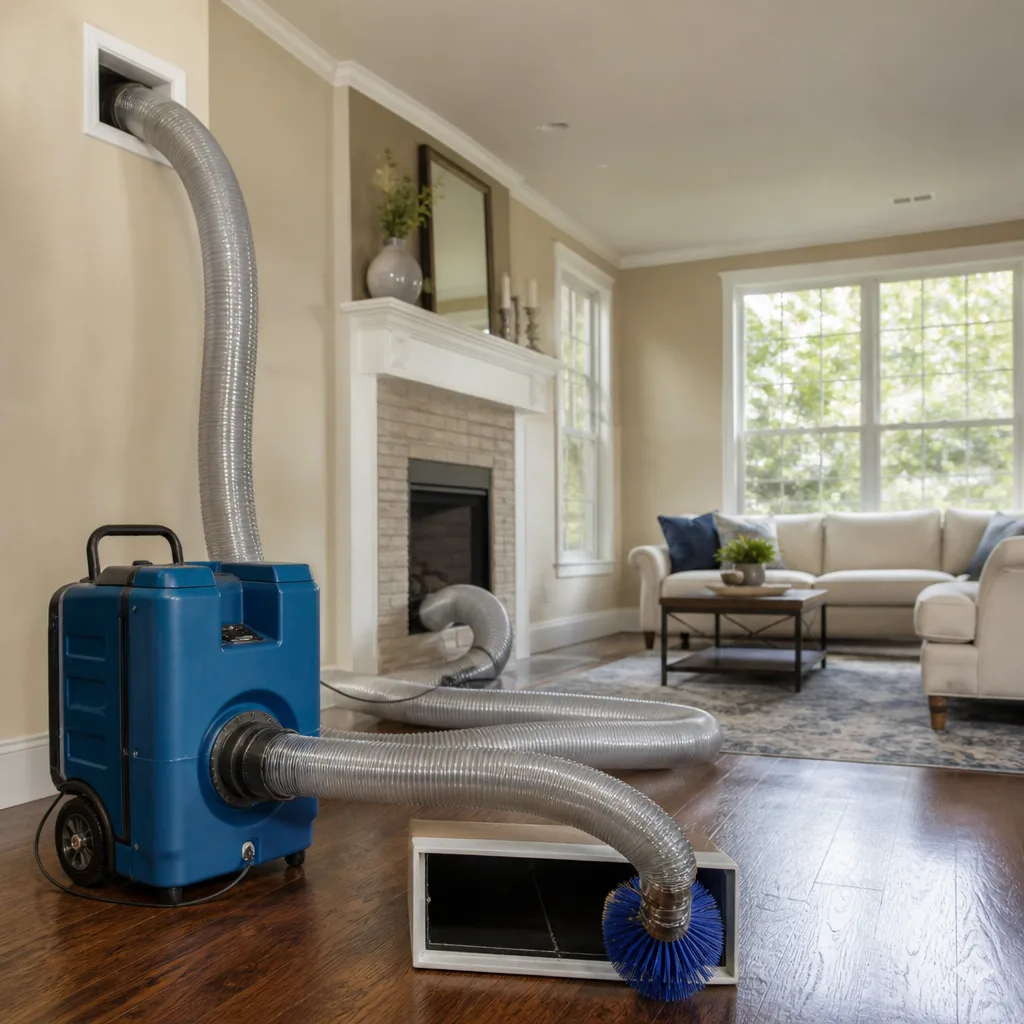 Whole-home duct cleaning
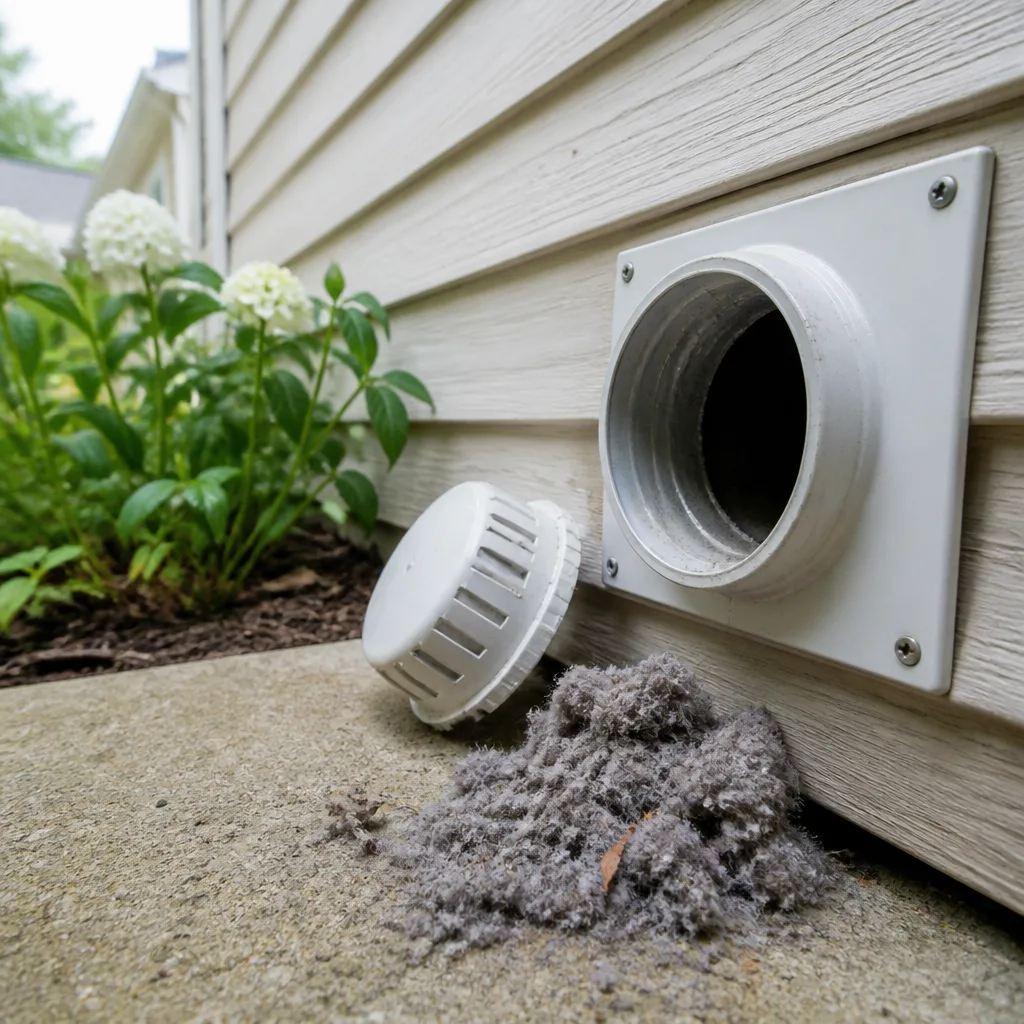 Dryer vent cleaning
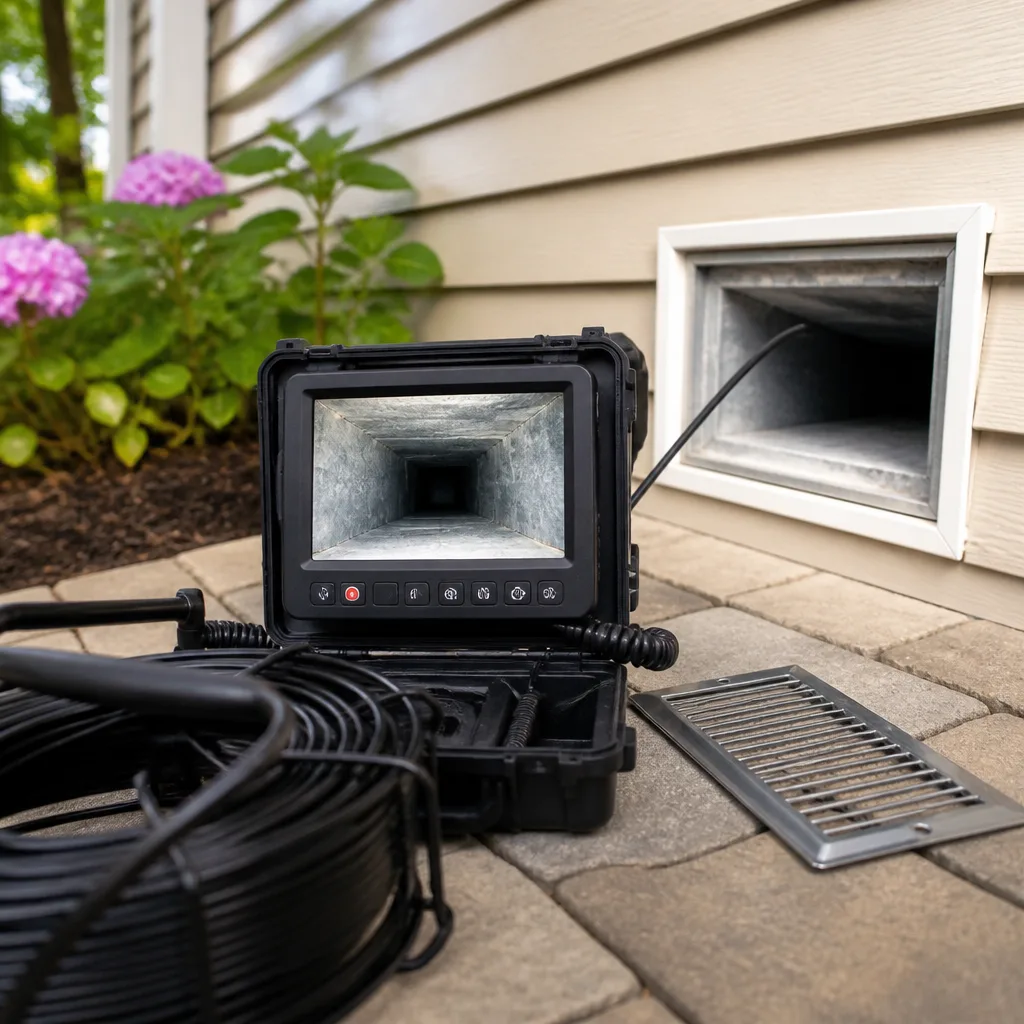 Camera inspection
 Sanitizing & deodorizing
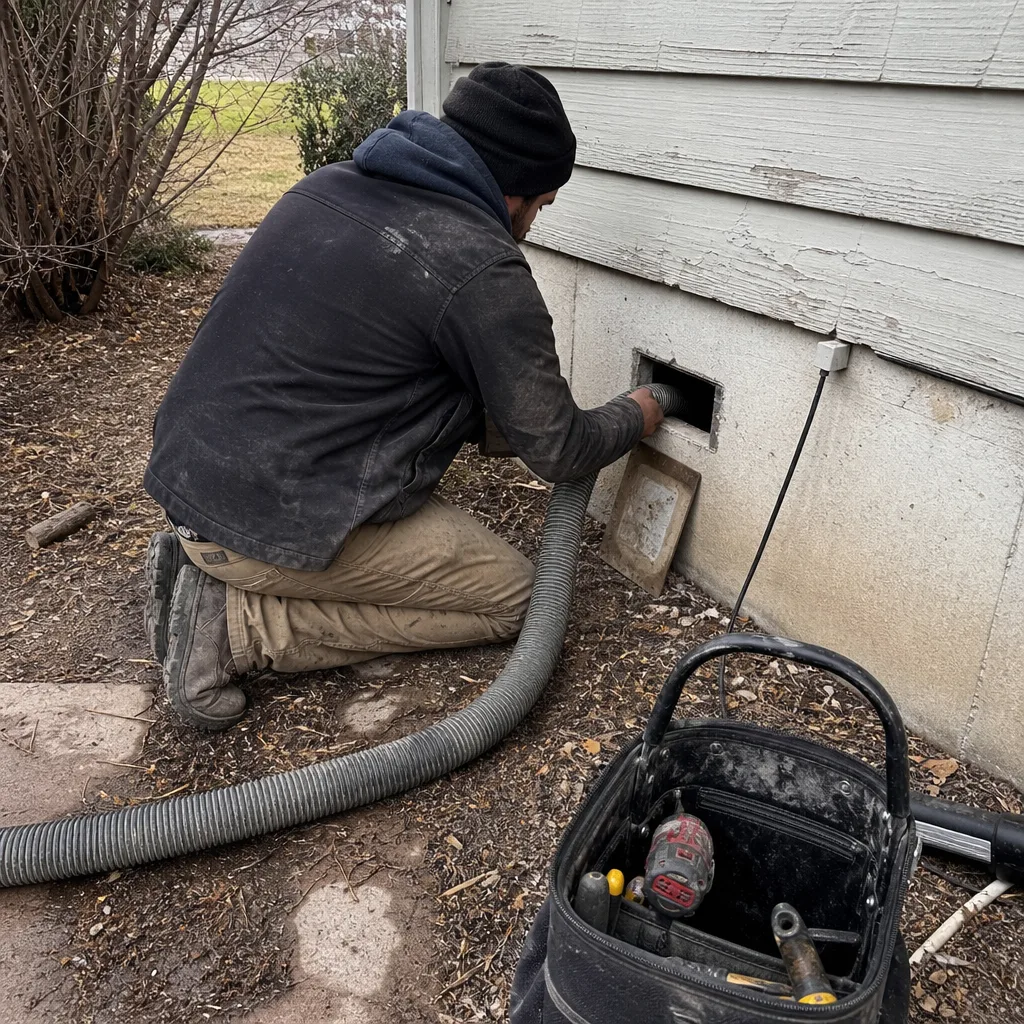
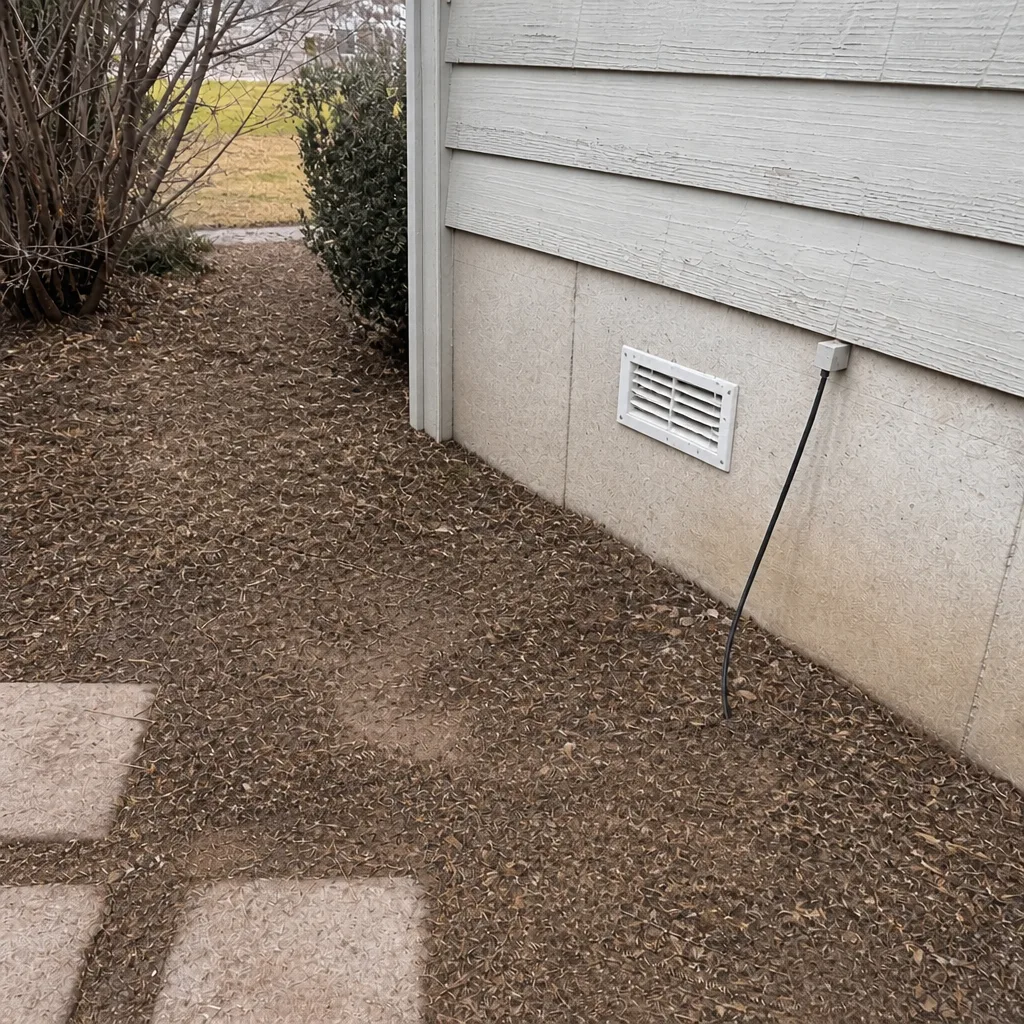
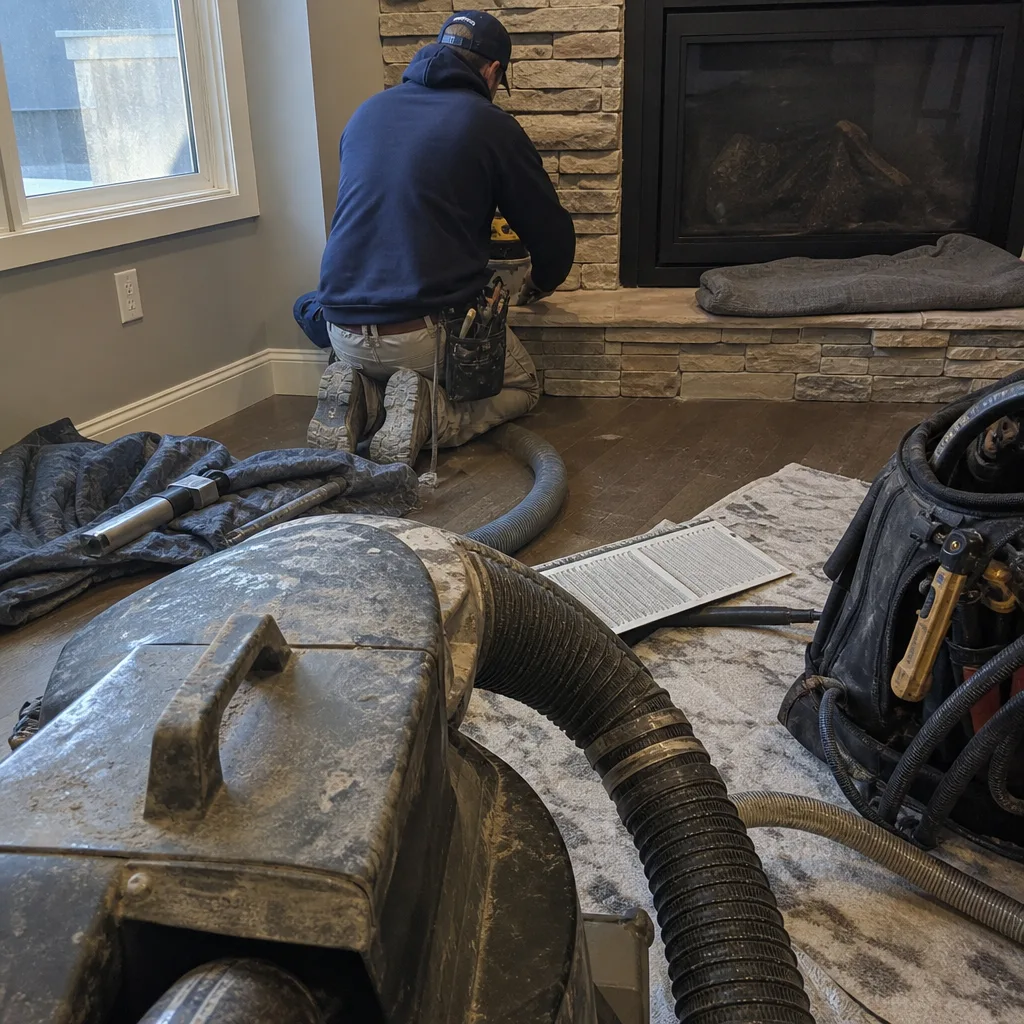
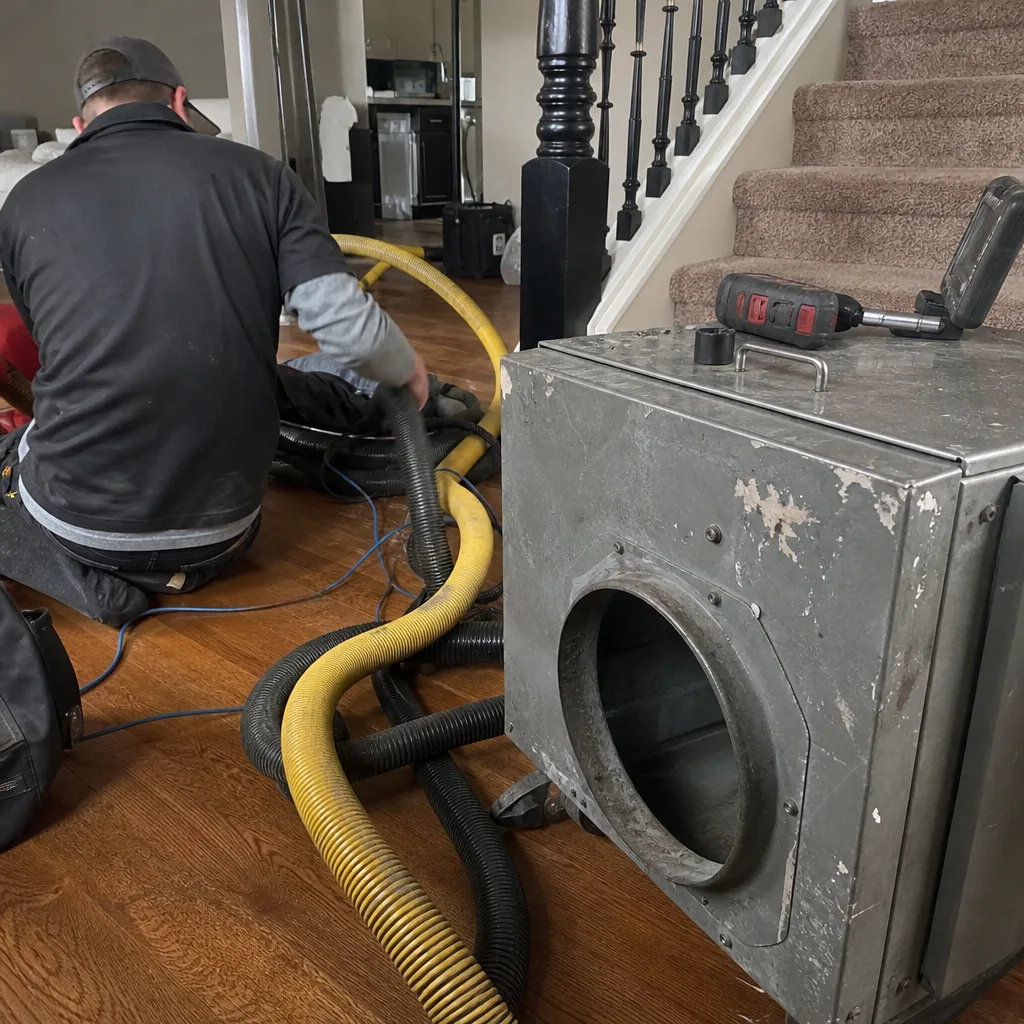
Whole-system duct and dryer vent check with before-and-after photos - you see exactly what came out of your vents
That "$99 whole-house special" is a bait ad - the real number appears once they are in your hallway, or the "clean" is a shop-vac at the register. We photograph the inside of your ducts before and after instead.
Seasonal Air Duct Cleaning Care for Spanish Fork: Year-Round Homeowner’s Guide
Most homeowners here schedule a duct cleaning every spring because that’s what everyone does. That habit probably means you’re cleaning after the lowest-stress season of the year and skipping the inspection you actually needed after February’s inversion trapped fine particulates in your return air system for weeks. Spanish Fork’s four seasons don’t hit your ducts equally. Winter inversions, spring agricultural dust and cottonwood fiber, summer wildfire smoke, and the fall switchover from cooling to heating each create a different kind of buildup, and each calls for a different response. This guide maps every season’s specific threat to the right maintenance action, so you stop over-cleaning in calm months and under-responding when it matters.
Styles & brands we work with
- Whole-home duct cleaning
- Dryer vent cleaning
- Camera inspection
- Sanitizing & deodorizing
Quick Answer
Air ducts in Spanish Fork don’t need the same cleaning on a fixed calendar date – they need the right response to each season’s contamination profile. Winter inversion events call for a mid-season filter check and a look for particulate that bypassed the filter into the duct interior; spring calls for managing cottonwood and agricultural fiber before it coats the evaporator coil; summer wildfire smoke requires attention to fine particles that standard dust cleaning won’t fully address; and fall is the moment to inspect dormant A/C components for moisture before heating season locks it in. Build a seasonal log, react to what each season actually produces, and schedule professional cleaning when the evidence says it’s time.
Table of Contents
- Why Spanish Fork Ducts Face Four Different Threats
- Winter: The Inversion Event Protocol
- Spring: Agricultural Dust and Cottonwood Fiber
- Summer: Wildfire Smoke and Fine Particles
- Fall: The HVAC Switchover Inspection
- How to Build a Seasonal Duct Log
- Why Equipment Choice Changes the Outcome
- Common Mistakes to Avoid
- When to Call a Professional
- Frequently Asked Questions
- The Bottom Line
Why Spanish Fork Ducts Face Four Different Threats
Utah Valley sits in a bowl, and that geography drives everything about how your duct system collects contamination through the year. In winter, cold air settles into the valley and traps emissions and fine particulate close to the ground, and that trapped air is what your return ducts pull through the system day after day. Spring brings the opposite problem: open agricultural ground, tilling, and cottonwood seed that drifts through the neighborhoods around Spanish Fork in visible clouds. Summer flips again, with smoke from regional fires riding in on the prevailing flow. And fall is quiet on the outside but busy inside your HVAC system, as the cooling side shuts down and the heating side wakes up.
Each of those conditions leaves a different signature in your ducts. Coarse fiber behaves nothing like fine smoke particles, and neither behaves like the dust that collected over a still winter week. Treating all four the same – one annual cleaning on a fixed date – means you’re probably addressing the wrong problem at the wrong time. This guide breaks the year into seasons and gives you a specific job for each one.
One note before we start: none of this replaces a professional assessment when the evidence points that way. What it does is help you decide when that assessment is worth scheduling, and give you the records that make the visit faster and more targeted when you do. Homeowners across Spanish Fork who keep even a simple seasonal log tend to schedule cleaner, more purposeful visits than those who clean on a calendar reminder.
Winter: The Inversion Event Protocol
When a winter inversion settles over Utah Valley, the particulate that builds up in the air has nowhere to go. It also has a way into your duct system. Every time the furnace runs, the return side pulls air through the filter, and a filter that’s already loaded with dust from the previous weeks lets fine particles slip past. In our experience, the weeks right after a sustained inversion are when return-air plenums and the duct runs nearest the air handler show the most new buildup.
Here’s how to work the inversion season:
- Check the filter mid-season, not just at the start. A filter sized for a normal dust load may load faster during a multi-week inversion. Look at it roughly halfway through the stretch of poor air quality, and replace it when it’s visibly gray or matted.
- Watch for signs that particulates bypassed the filter. Dust streaks around the filter frame, a gray film on the blower housing, or visible settling inside a return register after an inversion event all suggest the filter isn’t catching everything. That’s your cue to look deeper.
- Note the dates of the worst air days. Write them down. If you later see buildup in the return system, the log tells a technician exactly which weeks the system was under the heaviest load.
- Don’t vacuum your own ducts with a shop-vac. Consumer vacuums stir fine particulate back into the room air, which is the opposite of what you want during an inversion.
Inversions are also the reason we treat filter upgrades as part of the seasonal conversation rather than an afterthought. A filter rated for finer particles can catch more of what an inversion pushes at your system, so long as your blower can handle the added resistance. Products like Honeywell and Aprilaire filtration options exist precisely to give a system better capture without choking airflow, and they’re worth discussing if inversion season leaves your registers noticeably dusty.
Spring: Agricultural Dust and Cottonwood Fiber
Spring in the Spanish Fork area means open ground, active tilling, and cottonwood fluff that finds its way into every intake it can. Most of that material gets caught at the filter, but not all of it. Cottonwood seed is light, fibrous, and sticky once it starts to collect, and fine agricultural dust travels easily on spring wind. Together they create a specific problem at the evaporator coil, the finned surface where your cooling system absorbs heat.
The coil is a dense fin pack, and once fiber and dust mat onto its surface, airflow drops and the coil works harder than it should. That shows up as weaker cooling, longer run times, and eventually a system that struggles to keep up in July. The key question in spring is whether what you’re seeing is a filter problem or a coil-and-duct problem:
- Filter-level fix: if the coil fins are still clean and bright when you look through the access panel, and registers show only light dust, upgrading the filter for the heavy spring stretch is usually the right move.
- Professional cleaning territory: if the coil fins are visibly coated, if the blower wheel has a mat of fiber on its blades, or if visible fiber is collecting inside return ducts, a filter change won’t fix it. The coil and duct interior need proper cleaning.
This is also where duct repair and sealing earns its keep. A leaky return duct pulls unfiltered spring air – dust, cottonwood, pollen – straight past the filter and into the system. Sealing those leaks removes the bypass. We clean, seal, and test the system as one job rather than cleaning alone and leaving the leaks to recontaminate everything downstream. For a closer look at the cleaning process itself, see our page on air duct cleaning.
Summer: Wildfire Smoke and Fine Particles
Smoke from regional fires behaves differently in duct systems than ordinary household dust, and the difference matters for how you respond. Smoke carries fine particulate – the fraction small enough to stay airborne for a long time and to travel deep into a duct system. Coarse dust settles quickly and sits where it lands. Fine smoke particulate spreads across duct surfaces as a thin film, and it carries odor compounds with it. A routine dust cleaning can miss that film entirely, which is why some homeowners clean after a smoky summer and still smell smoke weeks later.
What actually helps in a smoke-heavy summer:
- Keep the system running with a good filter in place. A running system with proper filtration moves air through a capture surface rather than letting smoke settle inside the ducts undisturbed.
- Upgrade filtration before the smoke arrives, not after. Fine particle capture starts with the filter. Aprilaire and Honeywell filter options give a system more capacity to catch the small stuff.
- Address odor as its own problem. Odor compounds from smoke cling to surfaces. When cleaning alone doesn’t clear the smell, a sanitizing and deodorizing treatment with Guardsman products targets the residue that holds the odor, rather than masking it.
- Consider contained cleaning methods. Fine particulate is easy to stir up during cleaning. Negative-air and HEPA filtration controls – the kind used in mold and restoration work, such as Abatement Technologies equipment – keep that particulate contained during the job instead of redistributing it through the house.
We’ve seen smoke-season buildup that looked light on the register but carried a persistent odor through the whole system. That’s the case for treating fine-particle contamination as its own category rather than lumping it in with dust. If your home sits where summer smoke tends to settle, plan the cleaning after the smoke season clears, not before it.
Fall: The HVAC Switchover Inspection
Fall is the quiet season for air quality, which makes it the best time to inspect the cooling side before it goes dormant for months. When the air conditioner shuts down for the year, any moisture sitting in the system stays there. Around Spanish Fork, where cooling season runs hard and then stops, that dormant moisture is a real mold precursor. A wet evaporator coil or a damp drain pan in a sealed system that won’t run again until spring gives any microbial growth weeks of undisturbed time to establish.
The fall switchover inspection is straightforward:
- Look at the drain pan and condensate line. Standing water, slime, or a clogged drain line should be cleared before the system sits idle. Moisture lingering in a pan for months is exactly what you don’t want.
- Check the evaporator coil for dampness and debris. A coil that stayed wet through the end of cooling season and collected fiber or dust is a candidate for cleaning before it’s closed up for the winter.
- Smell the system when the heat first comes on. A musty odor at first heat-up is a sign of moisture or growth somewhere in the system. Don’t dismiss it as “first-run dust.”
- Confirm the filter is fresh for heating season. The furnace will run more than the A/C did, so start it with clean filtration.
Fall is also the natural time to seal any duct leaks you’ve noticed, because a sealed system runs more efficiently all winter and doesn’t pull contaminated air from crawl spaces or attics into the living space. If you want the deeper detail on the heating side of your system, our HVAC cleaning page covers the unit-level work. Between sealing, coil inspection, and filter upgrades, one fall visit can set the whole system up for a cleaner winter.
How to Build a Seasonal Duct Log
A seasonal log turns guesswork into evidence, and it makes your next professional cleaning faster and more targeted. The idea is simple: record what each season actually did to your system, so a technician arrives knowing where the load concentrated. Here’s a format that works:
- Filter changes: date and how loaded the filter was when you pulled it. “Heavily gray after an inversion week” tells a technician more than a date alone.
- Air quality events: note the dates of the worst inversion stretches and any smoke periods. These become the reference points for where buildup is likely to be heaviest.
- Observations at the registers: dust film, streaks around the filter frame, any visible fiber collecting in a return. Snap a photo with your phone and keep it with the entry.
- System behavior: uneven airflow to certain rooms, musty smell at first heat-up, longer cooling run times in summer. Trends over a season are more useful than a single reading.
- Cleaning history: when the ducts, coil, and dryer vent were last serviced, and what was done.
Bring the log to your estimate. A technician who knows the system ran through a heavy inversion winter and a smoky summer will look at the return plenum and coil differently than one starting cold. It’s a small habit that consistently produces a more focused visit, and it’s one reason homeowners around Spanish Fork get more out of each cleaning. The same log helps you decide when to schedule the dryer vent cleaning that rounds out a full-system check, since lint buildup follows its own seasonal rhythm.
Why Equipment Choice Changes the Outcome
Cleaning method matters as much as timing, and this is where a lot of duct cleanings quietly underdeliver. A consumer-grade vacuum stirred through a register moves surface dust but doesn’t reach duct walls, and it can redistribute fine particulate into the room air. The equipment we use is built for the job. Rotobrush rotary-brush systems are the industry benchmark for cleaning duct interiors – a rotating brush agitates the duct wall while extraction pulls the loosened debris out, so dust, fiber, and film come off the surface rather than just getting disturbed. Nikro professional HVAC extraction equipment handles the debris removal at the unit level.
Containment is the other half. Fine particulate from inversion weeks and smoke season is easy to send airborne during cleaning, which defeats the purpose. The Abatement Technologies negative-air and HEPA filtration equipment we use is the same standard trusted in mold and restoration work, and it keeps the cleaning contaminant-controlled from start to finish. Paired with Honeywell and Aprilaire filtration and humidity options, a cleaning visit becomes a system upgrade rather than just a one-time event. That’s the professional-grade equipment difference – not shop-vac shortcuts, but tools that actually reach and remove what’s collected.
Common Mistakes to Avoid
- Cleaning on a fixed annual date regardless of the season. A spring cleaning skips the inversion inspection you needed and misses the fall switchover entirely. React to what the season produced, not to the calendar.
- Assuming a fresh filter solves everything. A filter catches what reaches it, but a leaky return duct pulls spring dust and smoke straight past it. If registers stay dusty after a filter change, the problem is downstream of the filter.
- Treating smoke odor like ordinary dust. Fine particulate film and odor compounds need targeted cleaning and, often, a sanitizing treatment. A standard dust cleaning can leave the smell behind.
- Skipping the fall moisture check. A wet coil or drain pan left dormant through a Spanish Fork winter is a mold precursor. Inspect before the cooling side shuts down.
- DIY vacuuming with household equipment. A shop-vac stirs fine particulate back into the room air, especially bad during an inversion. Leave interior cleaning to extraction-grade equipment.
- Cleaning without sealing. Cleaning a leaky system and stopping there leaves the leaks free to recontaminate the ducts. Seal the leaks so the cleaning lasts.
- Never inspecting the dryer vent on its own schedule. Dryer vent lint buildup is a year-round fire concern that seasonal duct thinking can crowd out. Treat it as its own maintenance item.
When to Call a Professional
Call when the evidence points past a filter change. If registers stay gray after a fresh filter, if you see fiber or film collecting inside returns, if a musty smell appears at first heat-up, if cooling performance drops after a heavy cottonwood spring, or if smoke odor lingers weeks after smoke season clears, those are all signs the system needs proper cleaning rather than another filter. A leaky return duct, a visibly coated evaporator coil, or a blower wheel matted with fiber also mean it’s time. If you’re unsure, the seasonal log tells the story. Spanish Fork Air Duct Cleaning offers free estimates in Spanish Fork. Our technicians have up to 8 years of experience, and we use Rotobrush, Nikro, and Abatement Technologies equipment on every job. Call (866) 937-8037.
Frequently Asked Questions
There’s no single interval that fits every home here, because the seasons don’t treat every system the same. A home near open agricultural ground may need attention after a heavy cottonwood and dust spring, while a home that saw a long inversion winter may need a return-side look earlier. Watch the evidence – dusty registers after a filter change, musty first heat-up air, lingering smoke odor – and clean when it appears rather than on a fixed date. Call (866) 937-8037 for an exact quote; estimates are free, and timing is best set by what your system shows.
Low quotes usually reflect low equipment – a vacuum on the registers rather than rotary-brush agitation of the duct walls and contained extraction. Our approach is one flat price per system agreed before work starts, no per-vent pricing, and before-and-after photos of your own ducts so you can see what came out. Cheap can mean the fine particulate gets stirred and redistributed instead of removed. Call (866) 937-8037 for an exact quote; estimates are free.
Ask for before-and-after photos of your own system, plus a clear walkthrough of what was cleaned and sealed. That’s what you get with us – a documented visit, not a vague assurance. Keep the record in your seasonal log so the next service is faster and more targeted. Call (866) 937-8037 to book an estimate; estimates are free.
Yes. Coarse dust settles and sits, while smoke and inversion particulate ride deep into the system as a thin film and carry odor compounds with them. That calls for contained extraction with fine-particle filtration and, when odor lingers, a sanitizing treatment with products like Guardsman. Standard dust cleaning can miss the film. Call (866) 937-8037 for an exact quote; estimates are free.
Sometimes a filter upgrade is the right move – during the heavy spring dust stretch, for instance, if the coil fins are still clean. But a filter can’t fix an already-coated coil, a matted blower wheel, or debris collecting inside the return ducts, and it can’t catch dust pulled in past a leaky duct. When you see evidence downstream of the filter, cleaning is the answer. Call (866) 937-8037 for a free assessment.
Our full-system scope covers air ducts, dryer vents, HVAC units, and sanitizing – so one visit handles the pieces that interact with each other. That avoids coordinating multiple specialty vendors. Sealing and repair are part of the same job, which keeps the whole system set up correctly. Call (866) 937-8037 for an exact quote; estimates are free.
The Bottom Line
Spanish Fork’s seasons don’t stress your ducts equally, so a single annual cleaning treats the wrong season and skips the ones that matter. Winter inversions push fine particulate past loaded filters, spring brings cottonwood and agricultural fiber to your coil, summer smoke leaves a film that ordinary dust cleaning misses, and fall is when dormant moisture starts a problem you’ll smell at first heat-up. Respond to each season’s evidence, keep a simple log, and choose contained cleaning with professional-grade equipment over a quick vacuum. One flat price per system, agreed before work starts, with before-and-after photos to prove it. That’s Spanish Fork Air Duct Cleaning – and it’s air you can actually trust. Call (866) 937-8037 for a free estimate. We answer 24/7. Fast dispatch from 7am to 7pm, Sunday through Friday.
Written by the team at Spanish Fork Air Duct Cleaning.
See the difference
 Before
 After
 Before
 After
 Before
 After